
Louis XVI Style Mounts
Louis xvi style mounts bring classical French elegance to furniture and decorative objects through gleaming cast metal accents.
Louis XVI Style Mounts
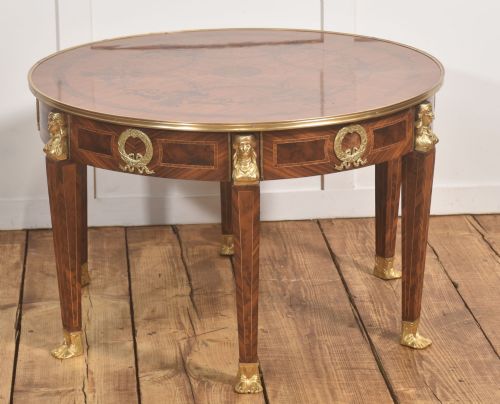
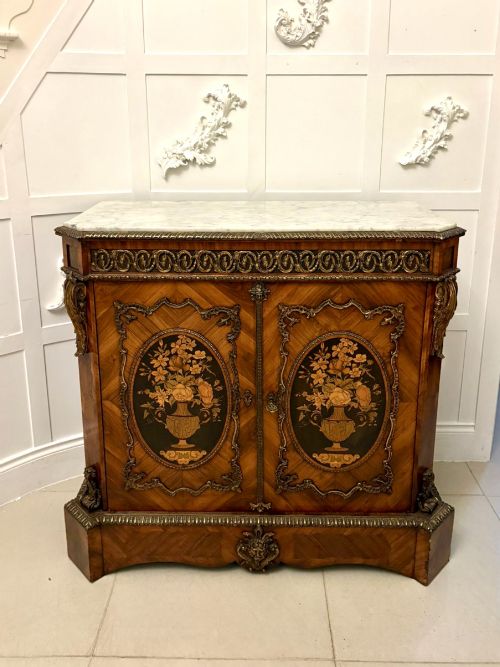
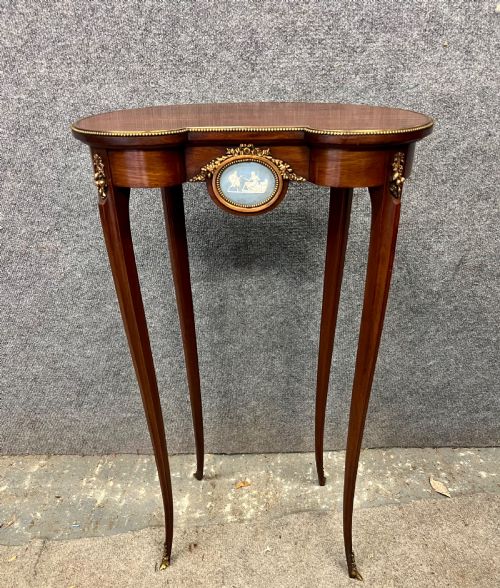
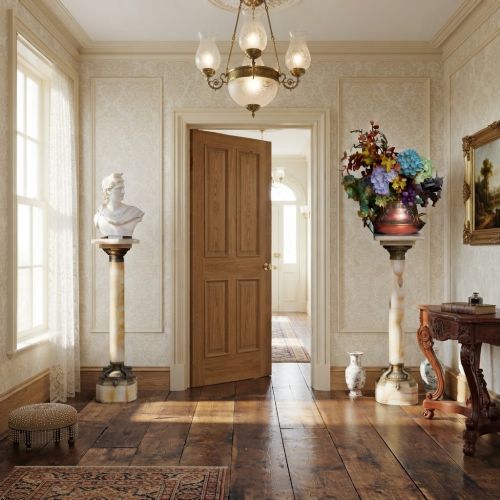
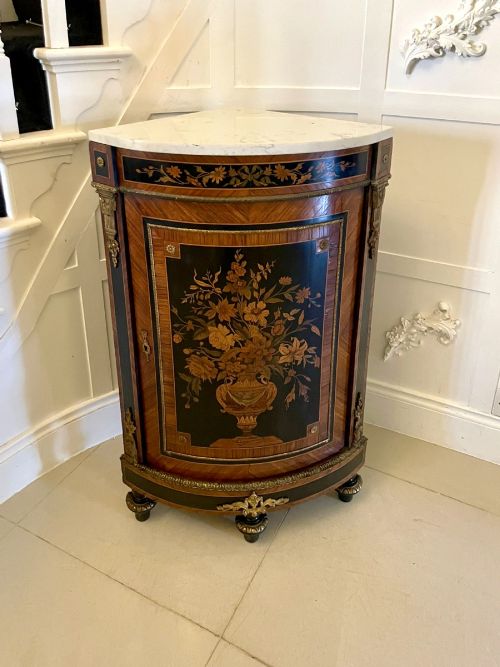
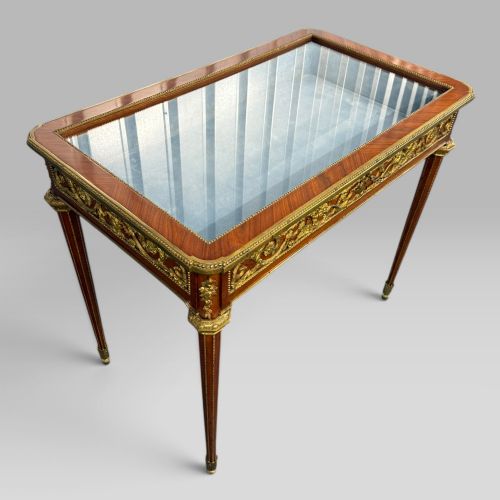
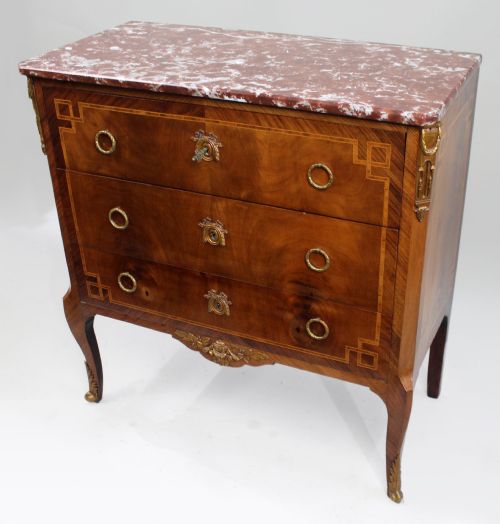
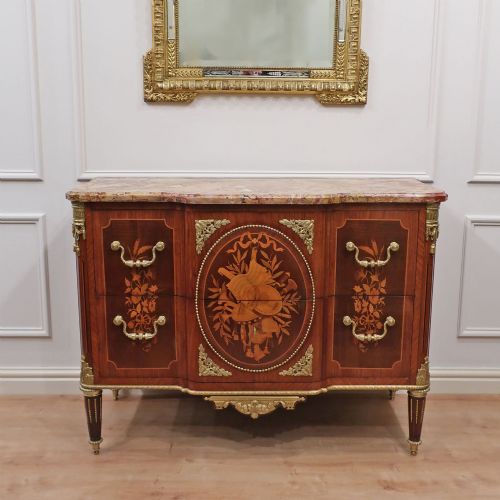
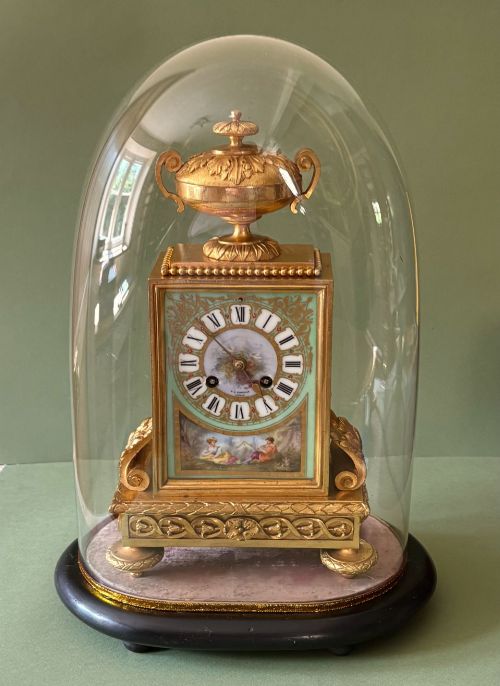
When you search for louis xvi style mounts, you examine decorative metalwork designed to adorn fine furniture, clocks, pedestals, and lighting. These pieces take the form of cast ormolu, gilt bronze, and brass elements that trace the structural lines of cabinets, desks, and tables. The examples met most frequently on this page originate in the nineteenth century, reflecting nineteenth-century revivals of eighteenth-century French neoclassical design.
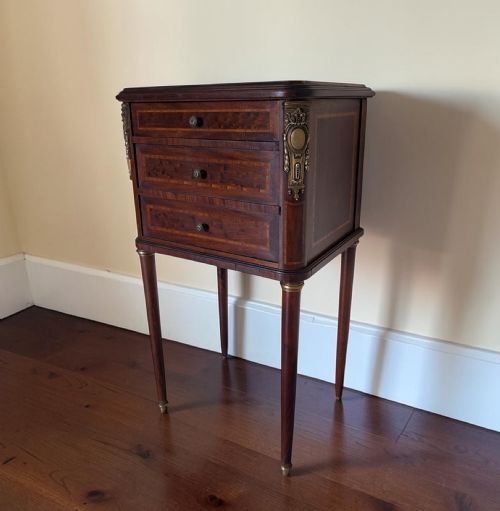
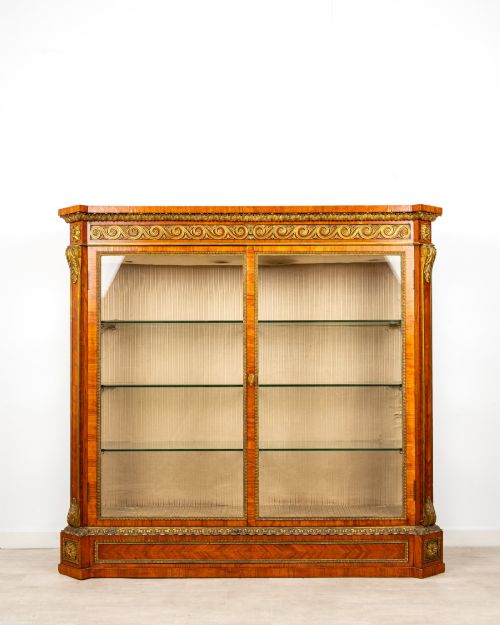
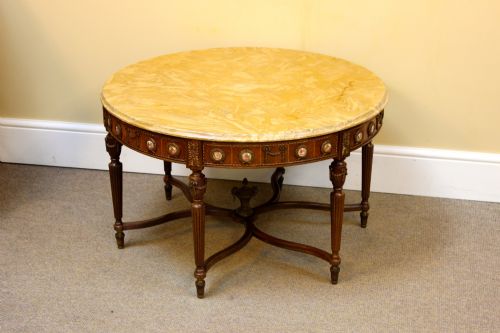
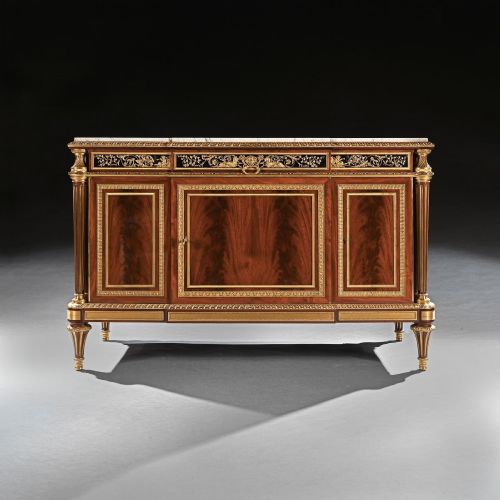
The objects carrying these mounts often combine rich timbers such as mahogany, kingwood, and walnut with marble tops in rouge or grey shades. Side tables, commodes, vitrines, and writing desks dominate the selection, each demonstrating the balanced proportions characteristic of the French Louis XVI style. Individual furniture mounts themselves also appear independently, showing the intricate casting typical of the period.
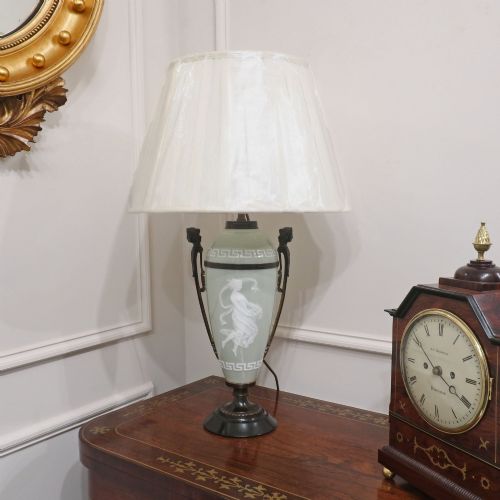
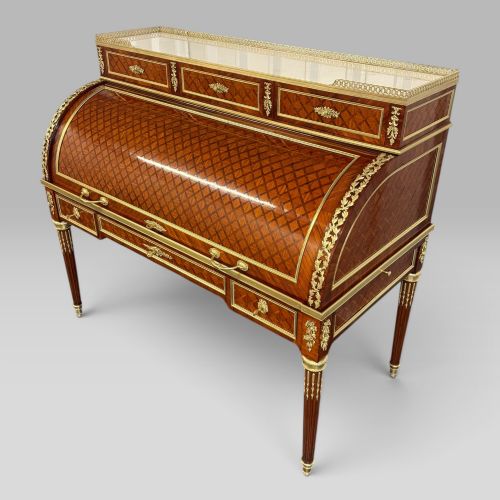
Makers and workshops of high repute, including François Linke, Henry Dasson, and H. J. Hatfield & Sons, applied these decorative elements to their creations. Pieces range from grand breakfront commodes and cylinder desks down to smaller bedside tables, clocks, and cassolette lamps. Each item exhibits the disciplined symmetry and classical restraint associated with neoclassical furniture making.
How they were made
Craftsmen produced these mounts through lost-wax casting in bronze, subsequently finishing the metal with mercury gilding to create ormolu or applying modern gilding techniques. Artisans then chased the cooled bronze surfaces by hand, sharpening the acanthus leaves, ribbons, and classical urns that define the style. These finished metal elements were secured to hardwood carcasses using precisely fitted screws or pins.
The underlying furniture pieces utilised sophisticated cabinet-making methods such as quarter-veneering, parquetry, and marquetry in timbers like tulipwood, amboyna, and mahogany. Marble tops, including rouge and grey varieties, were carefully shaped and polished to fit snugly over commodes and side tables. Ormolu collars and mounts were then fitted around marble columns, porcelain vases, and glass bodies to unify the decorative scheme.
Some nineteenth-century tables arrived with secret drawers that require knowing the exact sequence to unlock.
What varies in quality
The crispness of the bronze chasing distinguishes superior mounts from simpler productions, with finer examples retaining sharp relief in every leaf, bead, and dart. Poorer castings show softened details where the definition of the metalwork has been lost in production. Master makers such as François Linke and Henry Dasson ensured their mounts matched the architectural rhythm of the furniture carcase perfectly.
Timber selection and marquetry precision also divide the range, with skilled cabinet-makers employing matched veneers and intricate inlay to enhance the classical form. The quality of the underlying carcase construction, from the dovetailing of drawers to the selection of heavy marble tops, dictates the longevity and substance of the piece. Superior items present a harmonious integration of heavy cast bronze work and meticulous woodwork.
François Linke·Henry Dasson·H. J. Hatfield and Sons·Felix Alfred Ternisien
The Louis XVI Style Mounts Glossary
- Ormolu
- Gilt bronze, created by applying a gold and mercury amalgam to cast bronze and firing it to leave a rich gold layer. This material provides the bright metallic highlights seen on French neoclassical furniture.
- Marquetry
- The art of applying small pieces of veneer to a structure to form decorative patterns or pictures. Craftsmen utilised tulipwood, kingwood, and mahogany to achieve geometric designs across tabletops and commode fronts.
- Cassolette
- A decorative vessel shaped like a vase or urn, often fitted with a reversible lid that functions as a burner or a solid cover. In nineteenth-century pieces, these vessels frequently incorporate ormolu mounts and marble bodies.
- Bureau Plat
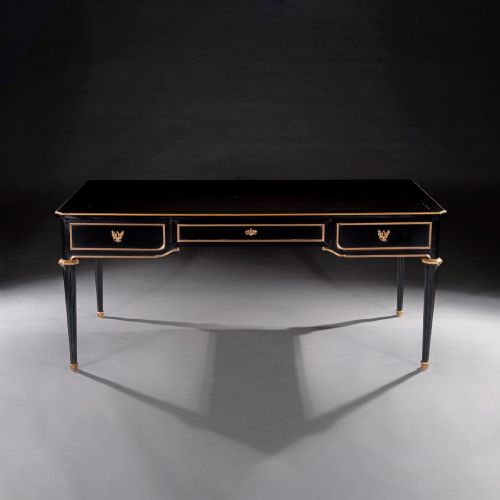
- A flat-topped writing table, usually freestanding with drawers fitted beneath the writing surface. These desks are frequently embellished with gilt bronze mounts and tooled leather inserts.
- Parquetry
- Geometric wood inlay work arranged in patterns such as squares, lozenges, or cubes. This technique adds surface texture to the carcasses of commodes and side tables.
Louis XVI Style Mounts: Frequently Asked Questions
What are louis xvi style mounts?
Louis xvi style mounts are decorative metal elements, typically cast in bronze or ormolu, used to embellish furniture and decorative arts. They reflect the neoclassical taste for symmetry, classical motifs, and restrained ornamentation.
These mounts take the form of friezes, sabots, handles, and collars. They were applied to pieces ranging from large display cabinets to small occasional tables.
How do I identify nineteenth century pieces?
Nineteenth-century items often replicate eighteenth-century designs through revival styles driven by French makers. Examining the casting quality of the ormolu and the construction methods of the underlying timber helps determine the era.
Makers active during this period, such as François Linke and Henry Dasson, signed their works or utilised specific assembly techniques. The presence of nineteenth-century secondary timbers inside drawers offers further guidance.
What materials accompany the mounts?
Ormolu and gilt bronze mounts most frequently appear alongside exotic timbers such as mahogany, kingwood, walnut, and tulipwood. Marble tops in shades of grey and rouge are also common.
Other materials seen alongside the metalwork include porcelain, glass, and amboyna. These rich surfaces combined to create high-status furniture for nineteenth-century interiors.
How do I care for ormolu mounts?
Ormolu mounts require gentle dusting with a soft, dry cloth to prevent the accumulation of dirt within the chased crevices. Avoid abrasive cleaners or metal polishes that can strip the original gilding.
Maintaining stable room humidity protects both the delicate bronze work and the underlying wood or marble. Proper placement away from direct sunlight preserves the rich tones of the timber and metal.