





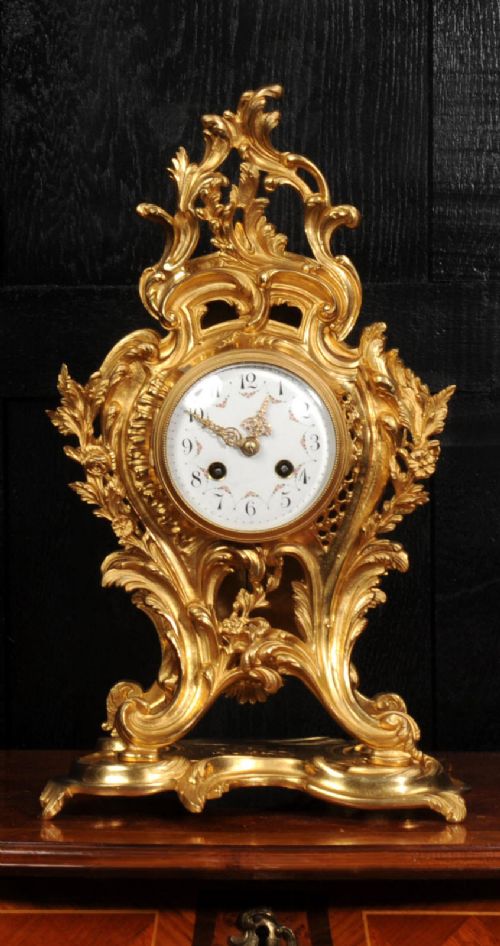

Louis XV Table Clock
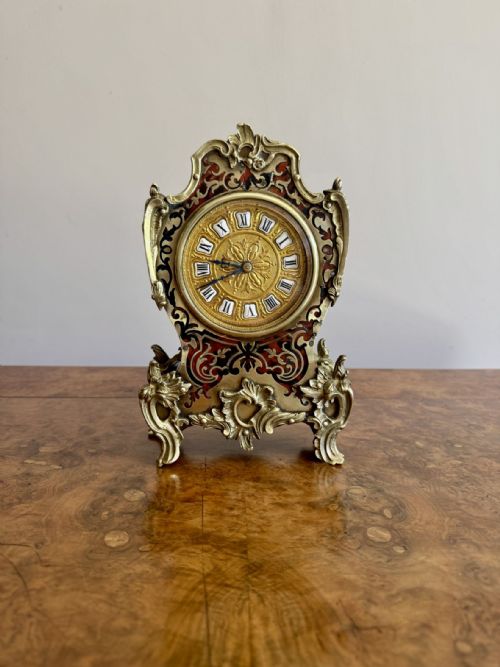
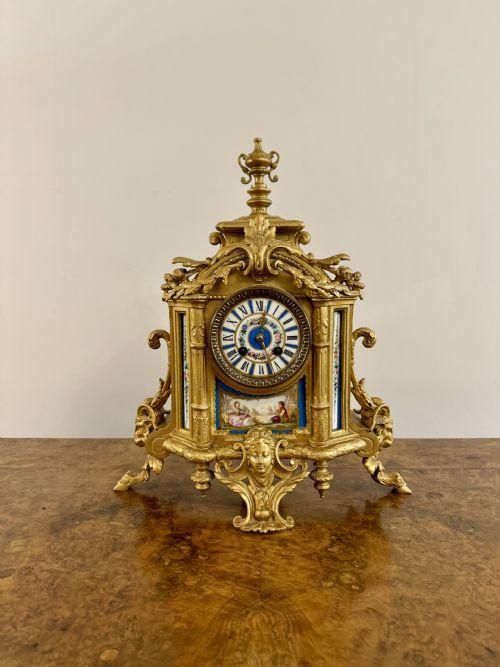
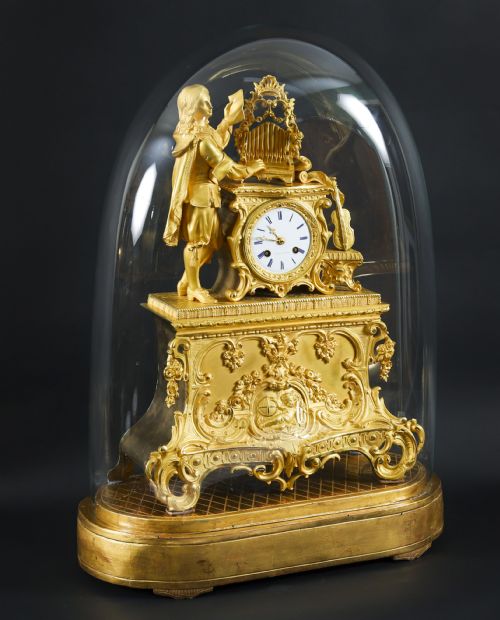
A louis xv table clock brings French Rococo elegance to a room with its ornate gilt bronze and intricate porcelain details.
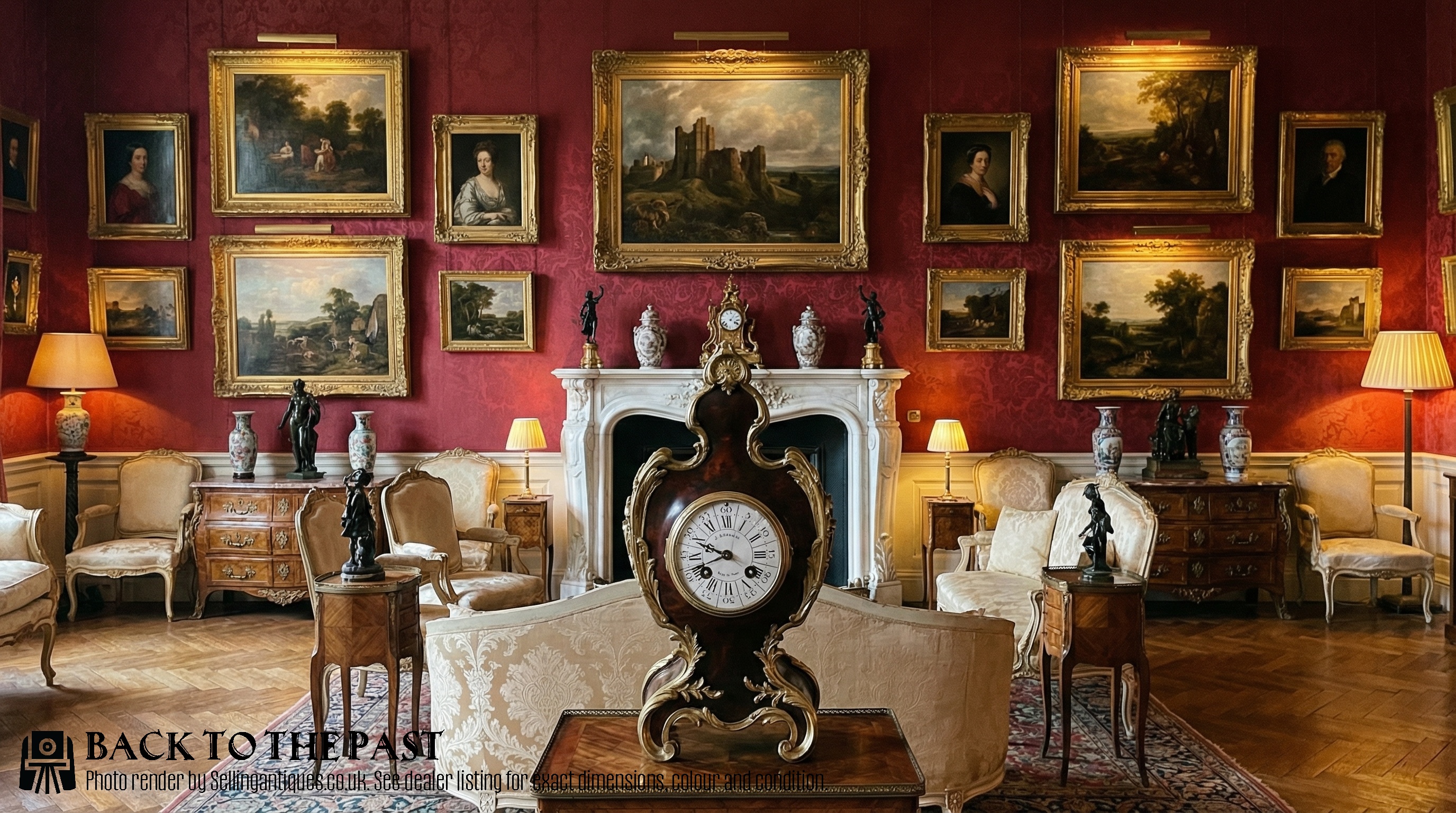
Louis XV Table Clock
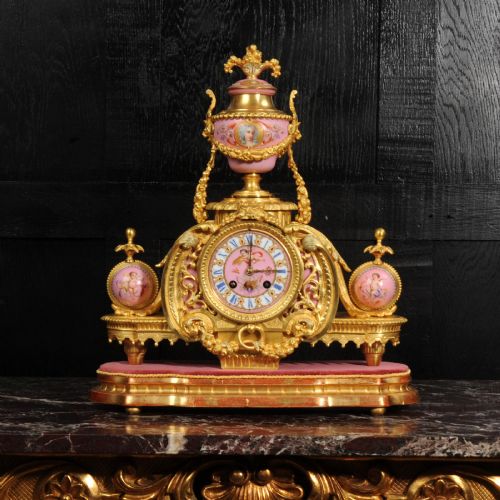
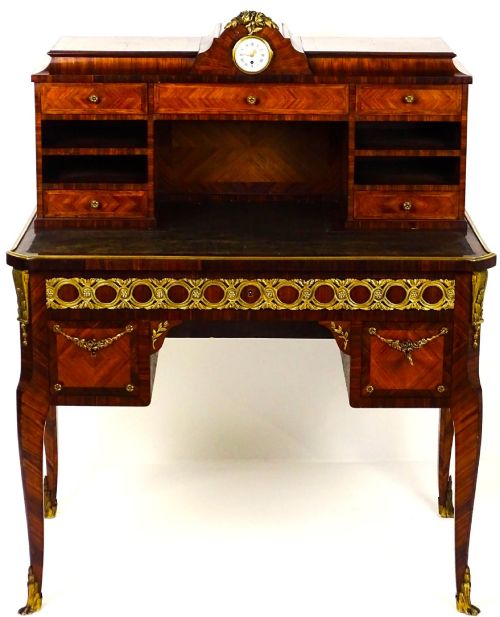
When you search for a louis xv table clock, you are looking at nineteenth-century French horology that channels earlier court styles through revival designs. The pieces here include mantel clocks, clock sets, and occasional miniature bedside timepieces.
Most examples you encounter date from the second half of the nineteenth century, spanning periods like the Victorian era and the decades leading up to 1900. Makers drew heavily on French Rococo Revival and Louis XV styles to shape these ornamental objects.
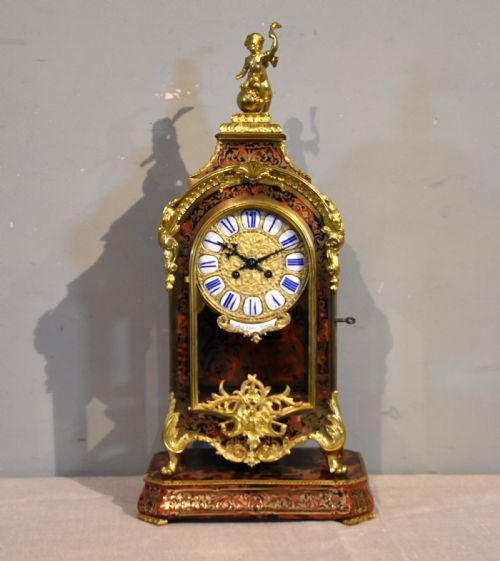
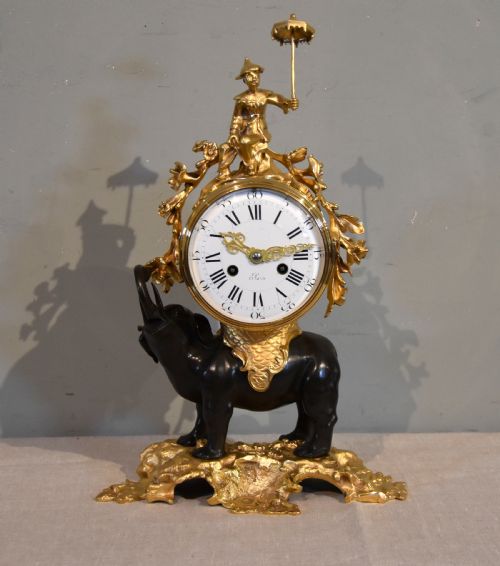
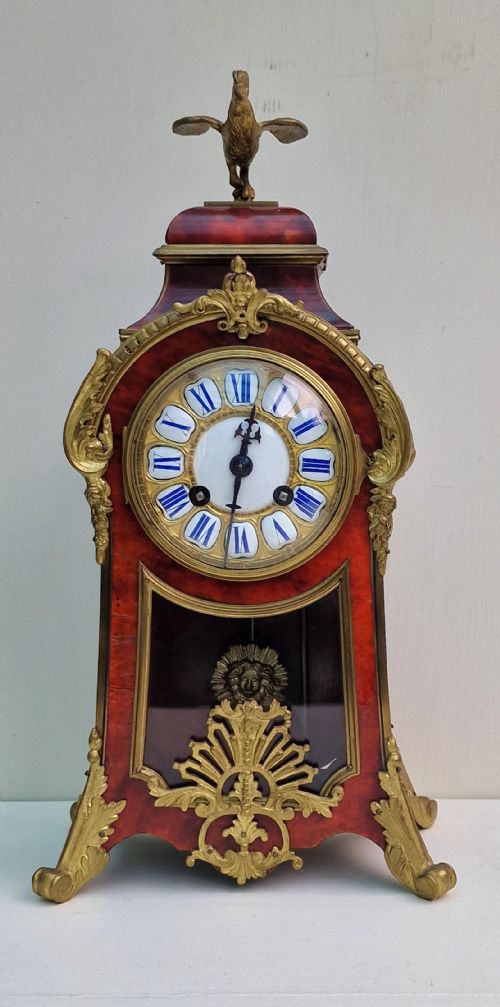
The forms range from traditional drum head clocks to elaborate figurative designs such as elephant shapes and cupid motifs. Boulle marquetry and tortoiseshell cases also appear frequently among the selection.
How they were made
Casings combine cast metals like ormolu, gilt bronze, and gilt brass, often paired with wooden foundations finished in tortoiseshell and Boulle marquetry. Enamel dials and Sèvres porcelain panels provide contrasting textures and painted decoration.
Foundries and workshops utilised intricate casting and chasing techniques to achieve the sweeping, asymmetrical curves characteristic of the Rococo aesthetic. Skilled artisans then applied fire gilding or brass mounts by hand to highlight the ornamental details.
Listings feature periods spanning from the mid-nineteenth century through to the early twentieth century, alongside materials like tortoiseshell, porcelain, and ormolu.
What varies in quality
The sharpness of the cast ornament defines the upper tier of these clocks, where chiselled details remain crisp and deep rather than soft or smoothed over. High-grade examples feature heavy, substantial metalwork and finely painted porcelain panels.
Movement quality also sets pieces apart, with reputable makers employing robust mechanical movements that have survived through restoration. The harmony between the bronze mounts, the dial enamel, and the case structure determines the overall integrity of the piece.
Achille Brocot·Paul Sormani·Delettrez·Leroy Paris·Leon Message·Jollet et Cie·Samuel Marti·Japy Freres
The Louis XV Table Clock Glossary
- Ormolu
- Gilded bronze produced by applying a mercury and gold amalgam to a bronze base, creating a durable golden surface finish. This technique was widely employed on nineteenth-century French clock cases.
- Boulle marquetry
- An elaborate inlay technique using brass and tortoiseshell arranged in contrasting patterns. It takes its name from André-Charles Boulle and appears frequently on period clock cases.
- Rococo
- An artistic style characterised by shell-like curves, asymmetry, and ornate scrollwork. The nineteenth-century revival of this aesthetic heavily influenced the design of these table clocks.
- Sèvres porcelain
- Hand-painted ceramic plaques and dials produced in France, often featuring floral motifs and rich colour accents. These porcelain elements are frequently integrated into ormolu clock frames.
- Mantel clock
- A domestic timepiece designed to stand on a fireplace mantel or shelf. These objects combine practical timekeeping with decorative sculpture.
Louis XV Table Clock: Frequently Asked Questions
How do I wind a louis xv table clock?
Most of these mechanical clocks utilise a key inserted into winding holes on the dial to tension the spring. Care must be taken not to overwind the movement.
Consulting a professional horologist for initial setup ensures the pendulum and escapement are properly aligned after transport.
Were these clocks made during the reign of Louis XV?
The vast majority of pieces found here are nineteenth-century revivals created during the Victorian period rather than eighteenth-century originals. Makers drew inspiration from the historical royal style.
Very few examples date back to the mid-eighteenth century, while most reflect later manufacturing dates spanning from 1850 to 1900.
What is Boulle work on a clock case?
Boulle work involves veneering a wooden case with tortoiseshell and engraved brass in counterchanged patterns. This creates a striking tortoiseshell and metallic contrast.
Green Boulle and traditional tortoiseshell finishes appear across various mantel clock designs from the nineteenth century.
How do I care for gilt bronze mounts?
Gilt bronze and ormolu surfaces require gentle dusting with a soft brush to prevent the accumulation of dirt in the recessed cast details. Avoid harsh chemical polishes that can strip the historic gilding.
Keeping the clock away from direct sunlight and moisture protects both the metal finishes and the delicate enamel dials.