



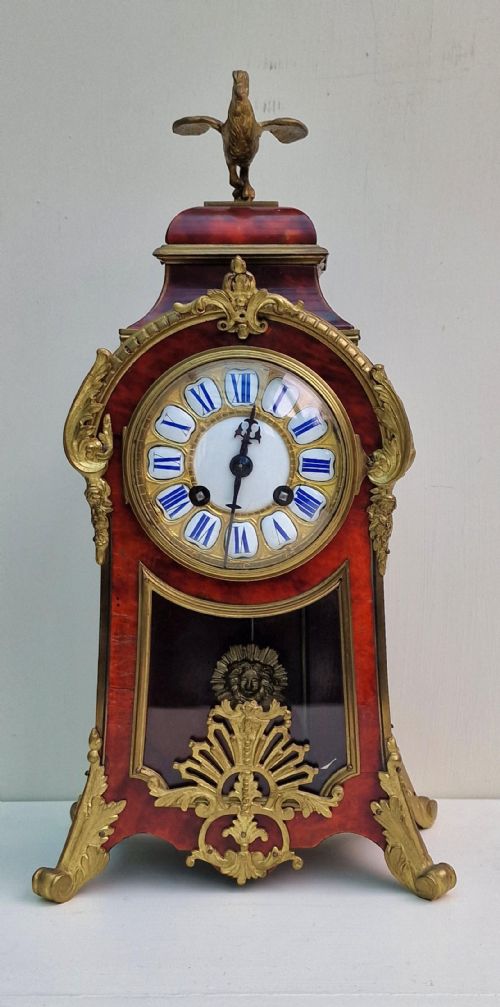


Louis XV Style Shelves
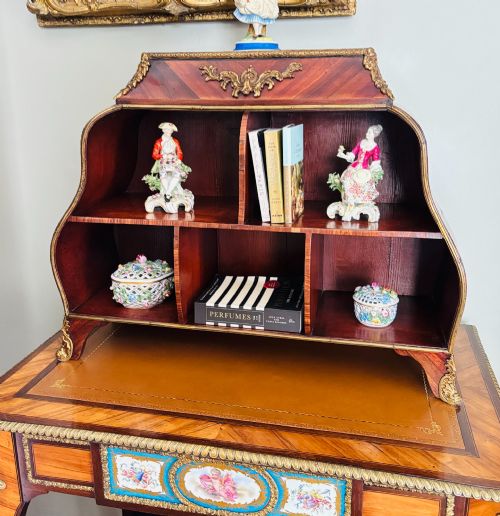
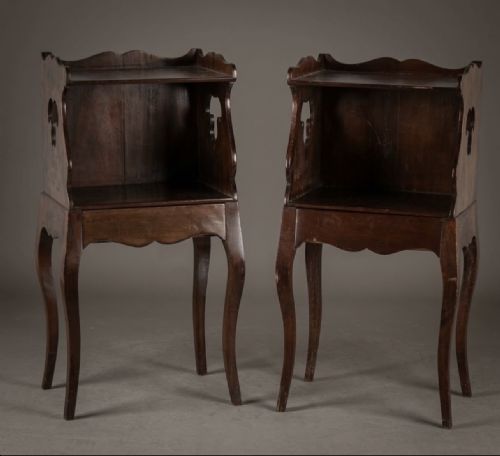
Louis XV style shelves and related display furniture bring asymmetrical curves and decorative metalwork into a room.
Louis XV Style Shelves
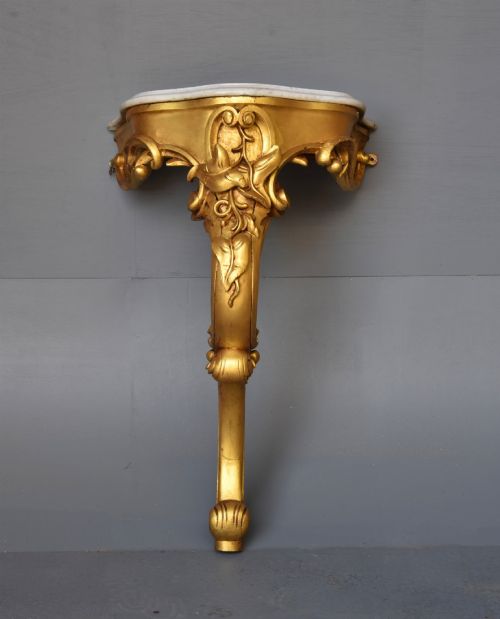
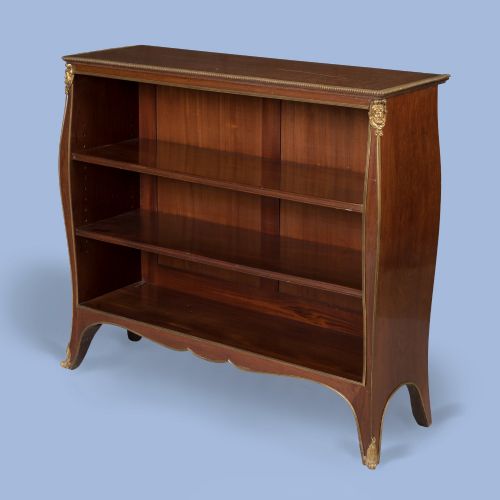
When you search for louis xv style shelves, you encounter pieces designed to display ornaments and books with characteristic French Rococo curves. The selections on this page encompass étagères, open bookcases, and wall-adjacent furniture from the nineteenth and early twentieth centuries.
Most examples lean towards revival aesthetics, notably French Rococo Revival and Louis XV Manner designs from the eighteen-eighties and eighteen-nineties. These items often incorporate tiered platforms or glass-fronted vitrine compartments suited for formal interiors.
Materials and Construction
Cabinetmakers utilised rich timber veneers such as rosewood, walnut, and kingwood over sturdier secondary woods, frequently embellishing surfaces with marquetry patterns. Open shelves and tier structures rely on precise joinery to support marble tops and decorative mounts.
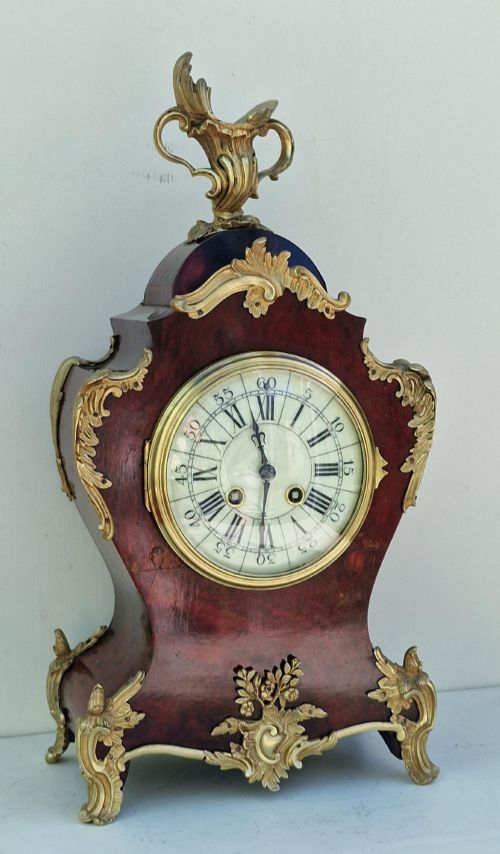
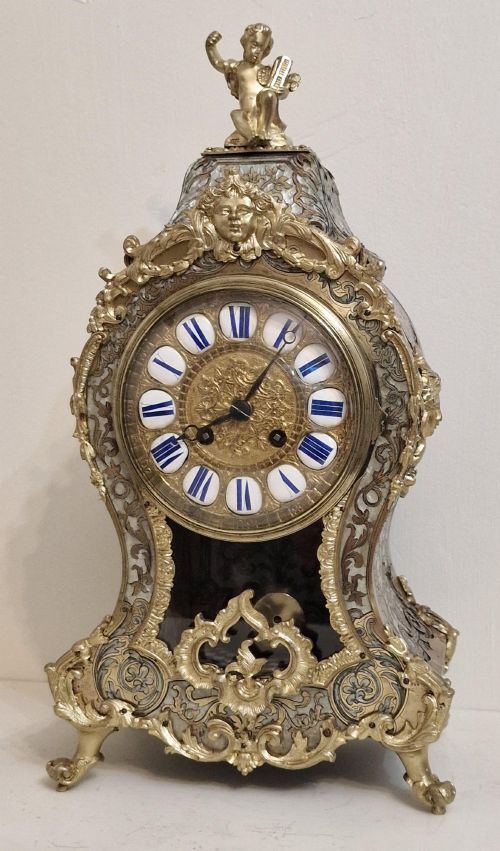
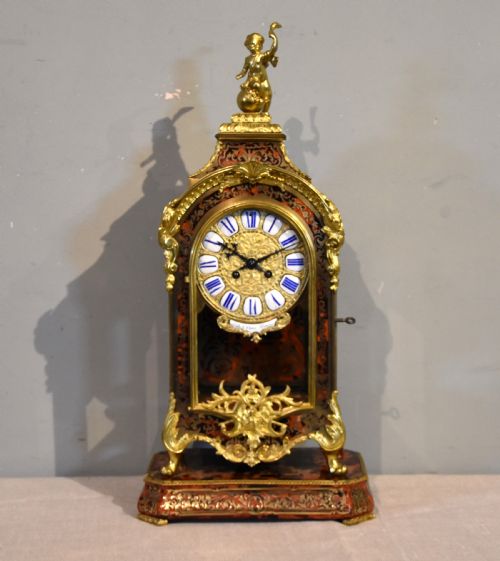
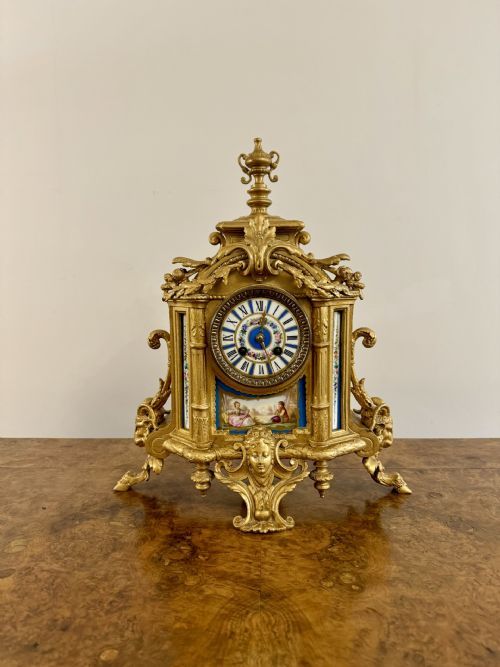
Cast ormolu and gilt brass mounts define the ornamental vocabulary of these pieces, fixed securely around corners and along aprons. Enamel dials, glass panels, and inlaid brass details integrate directly into the wooden frames.
Louis XV Style Shelves Retail Price Guide 2026
Typical asking prices for louis xv style shelves among the pieces listed under this phrase on Sellingantiques today, from the lower quarter to the upper quarter. They describe what is for sale here now, not the wider market.
Listings feature items spanning the Victorian, Edwardian, and Georgian periods, alongside specific dates from eighteen-fifty to nineteen-twenty.
Judging Quality
The standard of a piece rests largely on the crispness of its gilt bronze or ormolu mounts, where hand-chased details demonstrate superior workshop output. Finer examples display meticulous marquetry and well-fitted marble slabs that sit flush against the timber frame.
Structural refinement shows in the fluidity of the cabriole curves and the weight of the underlying timber. Pieces bearing signatures from established Parisian cabinetmakers or movement makers typically reflect a higher tier of execution.
Delettrez·Samuel Marti·KRIEGER of Paris·Thomas Justice & Sons
The Louis XV Style Shelves Glossary
- Ormolu
- Gilded bronze applied as an ornamental mount on furniture and clocks. It provides a bright metallic accent against dark wood veneers.
- Étagère
- A piece of furniture consisting of open shelves for displaying small objects or books. These tiers are often supported by slender uprights.
- Marquetry
- Decorative veneer patterns formed by fitting together small pieces of wood, shell, or metal. Craftsmen use this technique to create intricate floral or geometric designs on tabletops and cabinets.
- Vitrine
- A glass-fronted cabinet designed for displaying porcelain or curiosities. The glass panels allow visibility from multiple angles.
- Cabriole leg
- A furniture leg that bends outward and then tapers inward with a graceful curve. It originates from classical forms and defines much of the Rococo aesthetic.
Louis XV Style Shelves: Frequently Asked Questions
What defines Louis XV style furniture?
These pieces draw inspiration from the mid-eighteenth-century French court, prioritising asymmetrical lines, scrollwork, and naturalistic plant motifs. Nineteenth-century revivals reinterpreted these organic shapes with updated mechanical and cabinetmaking standards.
Such items avoid rigid symmetry in favour of flowing contours, particularly along the aprons, legs, and mount placements.
How do I identify an étagère?
An étagère consists of multiple open tiers arranged vertically to hold ornaments, books, or small collections. They function primarily as display furniture rather than enclosed storage.
Many examples incorporate slender upright supports and mirrored backs or marble tops to enhance their decorative presence.
Where should I place a side table with a marble top?
Marble-topped side tables and consoles suit entrance halls, living rooms, or bedrooms where their stone surfaces provide durable display space. They anchor nicely against a wall beneath a mirror or artwork.
Keep them away from direct heat sources to protect the underlying timber veneers and joinery.
How can I tell a nineteenth-century revival piece apart?
Nineteenth-century revival pieces utilise machine-sawn timbers and nineteenth-century hardware standards alongside traditional hand-carving and mercury or electro-gilt mounts. Examination of the interior secondary woods often reveals the later manufacturing period.
Stylistic cues lean heavily into exaggerated Rococo Revival motifs popular during the Victorian and Edwardian eras.