

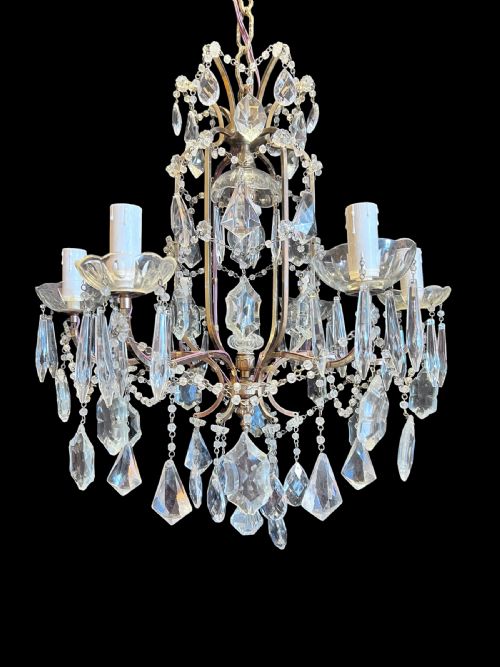
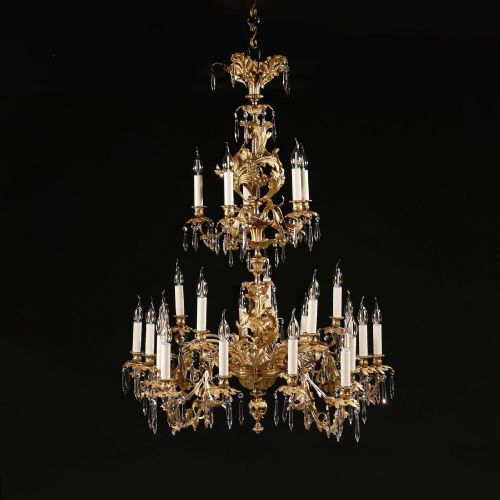
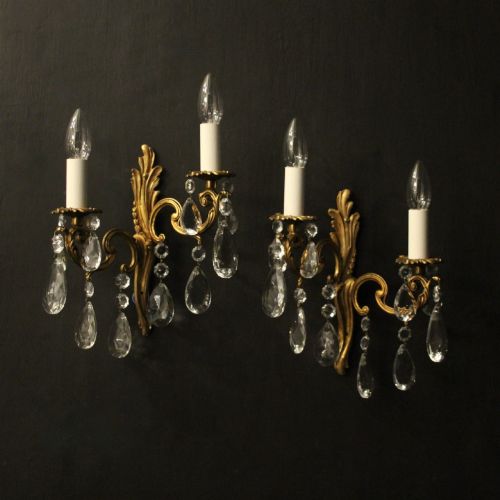
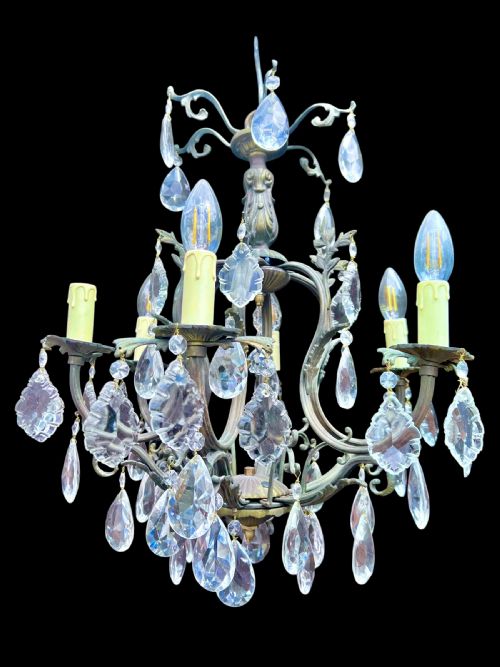



Louis XV Crystal Chandelier
A louis xv crystal chandelier brings asymmetrical rococo curves and sparkling drops into a room, offering the drama of French chateaux.
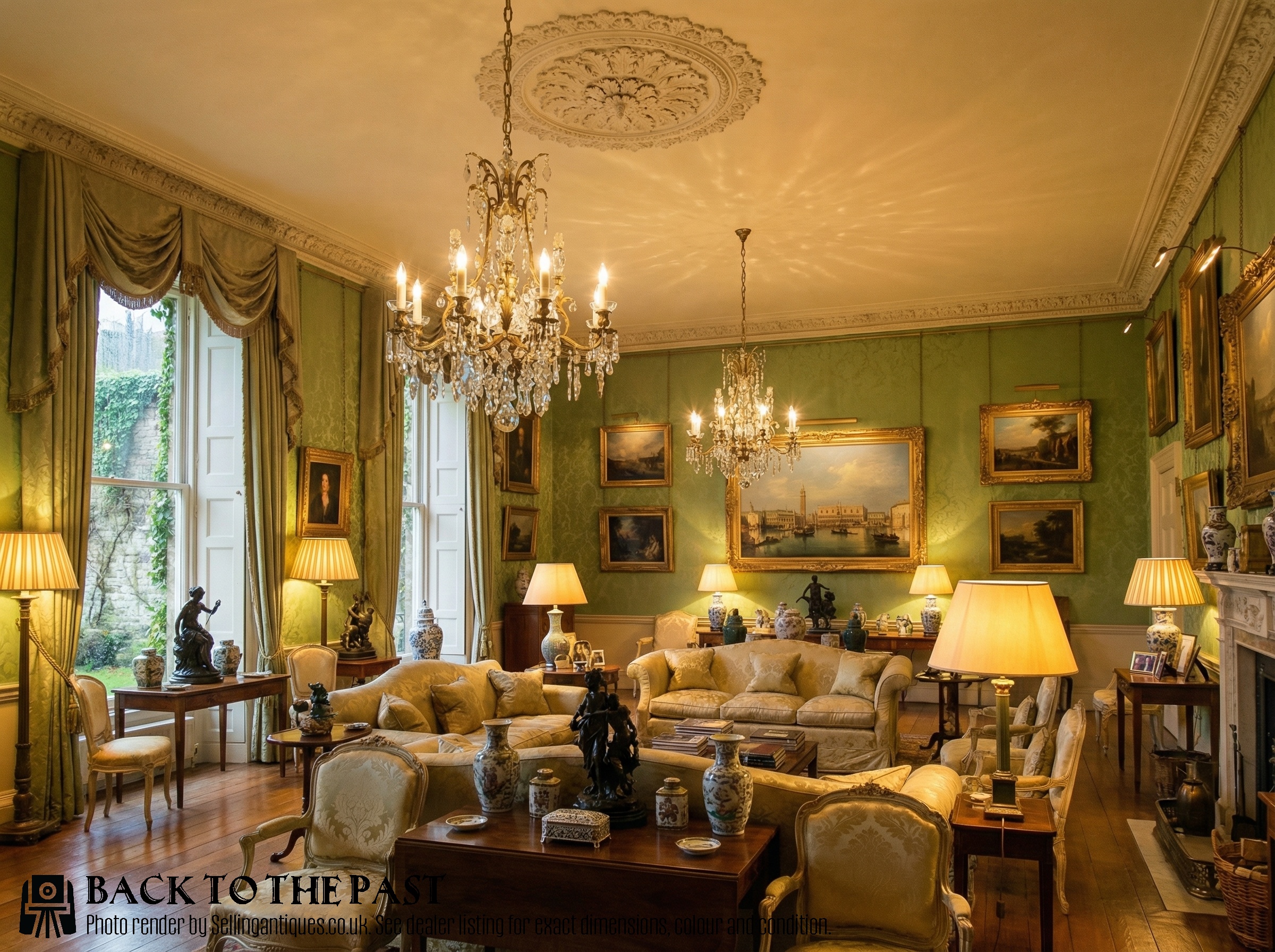
Louis XV Crystal Chandelier
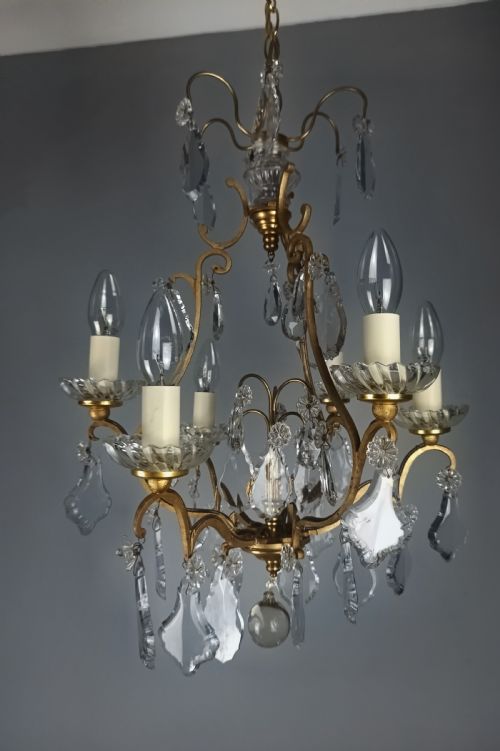
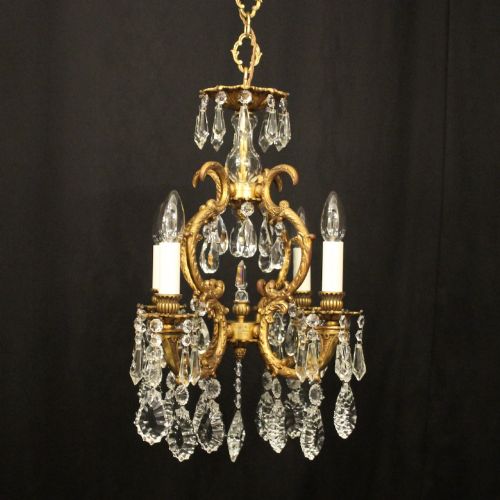
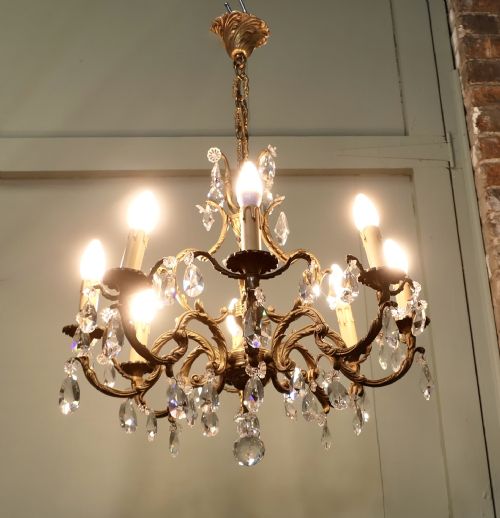
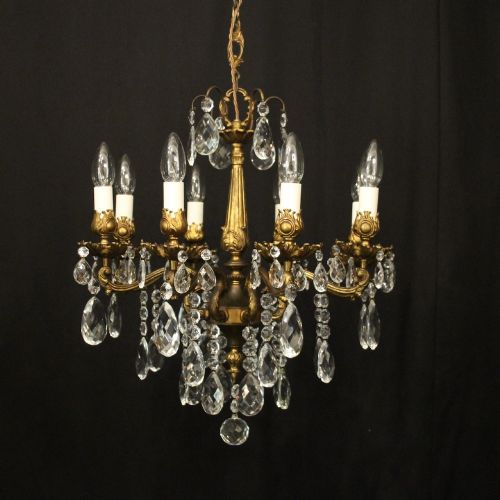
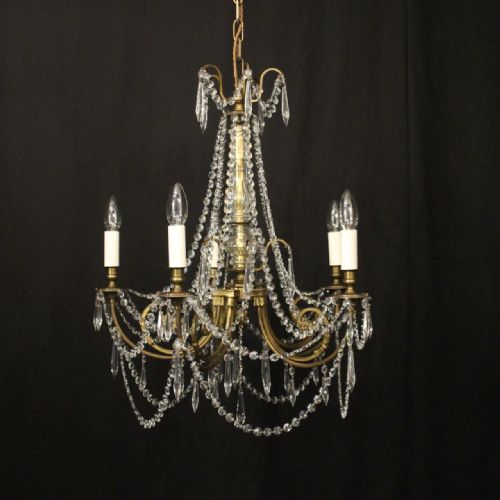
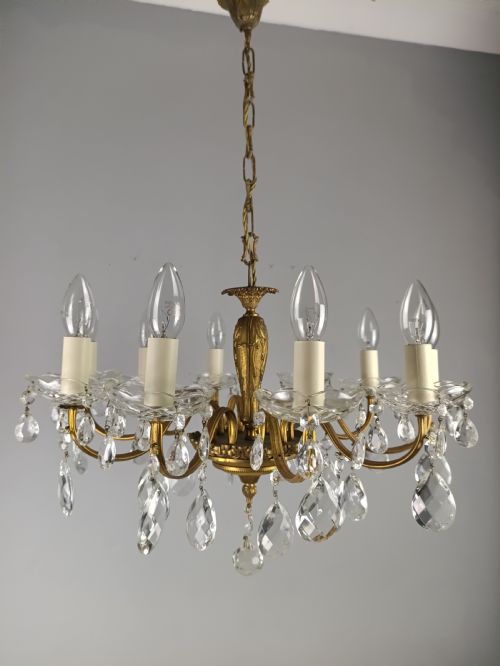
A louis xv crystal chandelier combines the sweeping, organic lines of the French rococo style with the illumination of multiple candle or light branches. When searching for a louis xv crystal chandelier, buyers encounter pieces originating from France, spanning the nineteenth century through the early decades of the twentieth century.
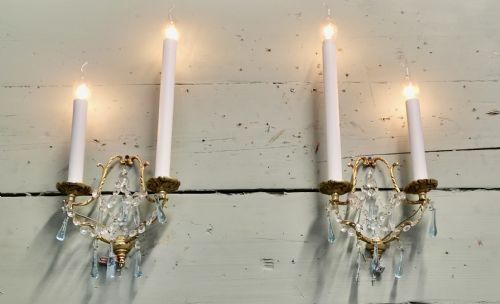
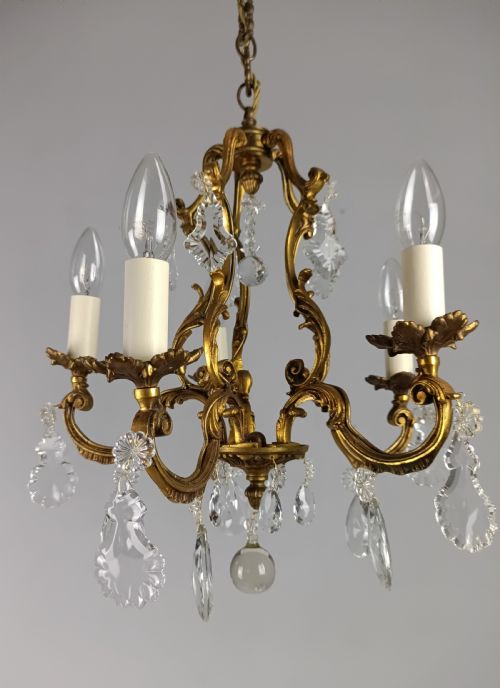
The common configurations on this page include multi-light ceiling fixtures and matching wall sconces, often taking the distinctive birdcage form. These designs draw upon French classical and chateau aesthetics, utilising brass, bronze, and gilt metal frameworks adorned with cut glass and crystal drops.
Makers and manufacturers during these periods produced lighting that echoed the ornamentation of the eighteenth-century reign of Louis XV. The resulting objects range from intimate three-light fixtures to grand twenty-five light installations suitable for large spaces.
Materials and construction
The structural framework relies on cast and chased metals such as bronze, brass, and gilt bronze, providing a sturdy skeleton for the multi-light arms. Artisans applied gilding or silver gilding to the metal surfaces to enhance reflection and achieve an opulent finish.
Hanging elements consist of cut crystal and glass lustres, drops, and pendeloques wired or pinned directly to the metal frame. These components refract light from the bulbs or candles, creating the characteristic sparkle associated with rococo revival lighting.
Materials recorded across the inventory include gilded bronze, brass, cut crystal, and glass.
Assessing quality and execution
Quality reveals itself in the crispness of the bronze or brass casting and the depth of the chasing on the metal mounts. Finer examples display meticulous hand-finishing on the asymmetrical scrollwork and foliage typical of the rococo style.
The selection of the crystal and glass further differentiates the tier of a fixture, with precise cutting and high clarity producing superior light refraction. Complete sets of matching lustres and robust metal armatures indicate higher manufacturing standards during the period of production.
The Louis XV Crystal Chandelier Glossary
- Birdcage chandelier
- A chandelier construction style featuring a skeletal metal frame resembling a birdcage, from which crystal drops and arms are suspended. This form is common in French lighting from the early twentieth century.
- Gilt bronze
- Bronze metal treated with a thin layer of gold or gold-coloured alloy, often referred to as ormolu. It provides a durable and radiant surface for decorative metalwork.
- Lustre
- A cut crystal or glass pendant hung from a chandelier or wall light to reflect and amplify light. These elements come in various shapes including pear drops and buttons.
- Rococo revival
- A nineteenth-century design movement that revived the ornate, asymmetrical scrolls and natural motifs of the original Louis XV period. This aesthetic heavily influences the styling of the chandeliers listed here.
- Wall sconce
- A decorative lighting fixture fixed to a wall, matching the design vocabulary of the central chandelier. Pairs of these lights are frequently found alongside ceiling fixtures.
Louis XV Crystal Chandelier: Frequently Asked Questions
How do I clean a crystal chandelier?
Cleaning requires a gentle solution of warm water and mild soap applied carefully to each crystal drop by hand. Technicians often clean the glass in situ using a dedicated spray while protecting the metal components.
Avoid harsh chemical cleaners that can strip the gilt finish from the bronze or brass framework. Regular dusting helps maintain the sparkle of the cut glass without needing full immersion.
Are these chandeliers wired for modern electricity?
Many antique fixtures arrive adapted for modern electrical standards during their lifespan in previous homes. Buyers should inspect the internal wiring to confirm it meets current safety regulations upon arrival.
Rewiring can be performed by a qualified electrician without altering the exterior antique metal or crystal components. This ensures the piece functions safely while preserving its historical integrity.
How do I tell an antique from a reproduction?
Examining the metal casting, hand-cut glass properties, and wiring channels reveals the age of the construction materials. Antique examples exhibit wear patterns and manufacturing techniques consistent with the nineteenth and early twentieth centuries.
Twentieth-century pieces utilise period-appropriate brass and bronze alloys distinct from modern factory castings. Reviewing the specific material descriptions helps confirm the era of manufacture.