





Louis Style Wardrobe
A louis style wardrobe brings grand French presence into a bedroom, offering substantial storage behind panelled doors shaped by centuries of continental cabinet-making tradition.
Louis Style Wardrobe
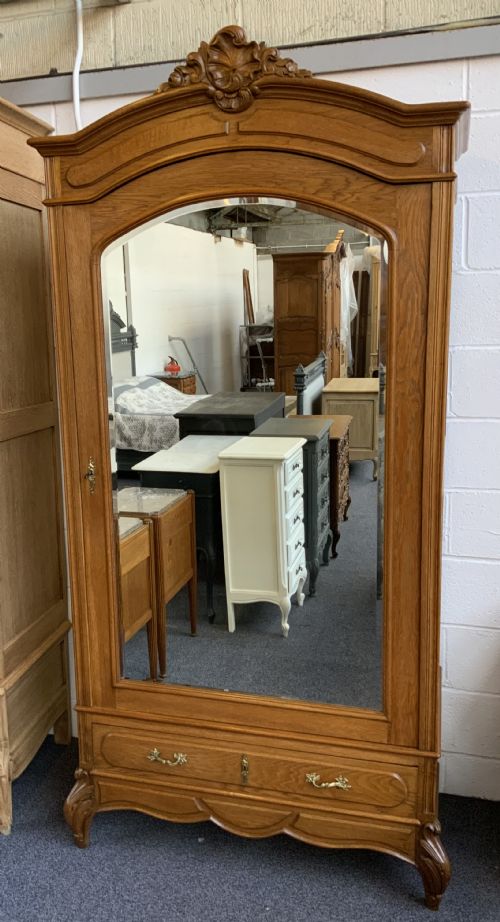
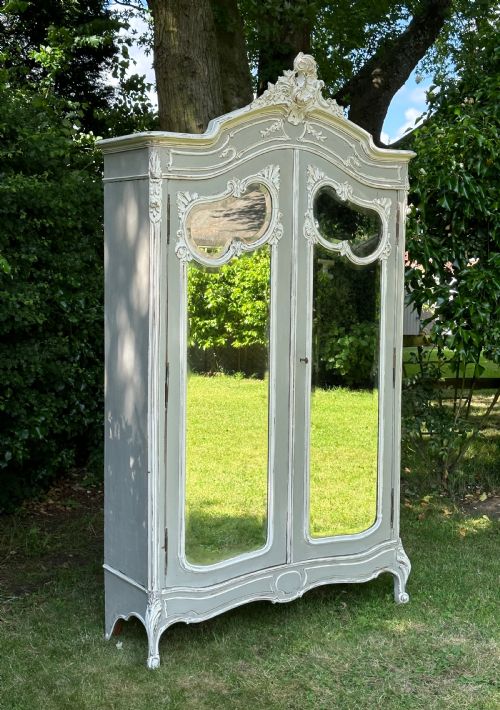
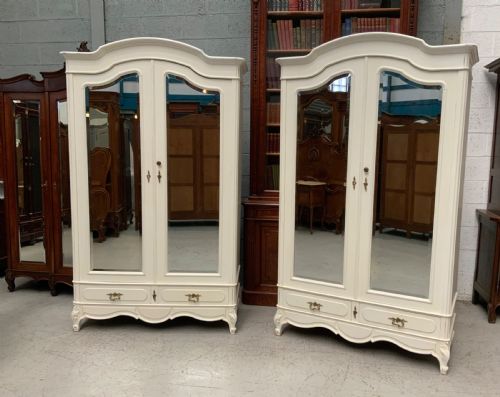
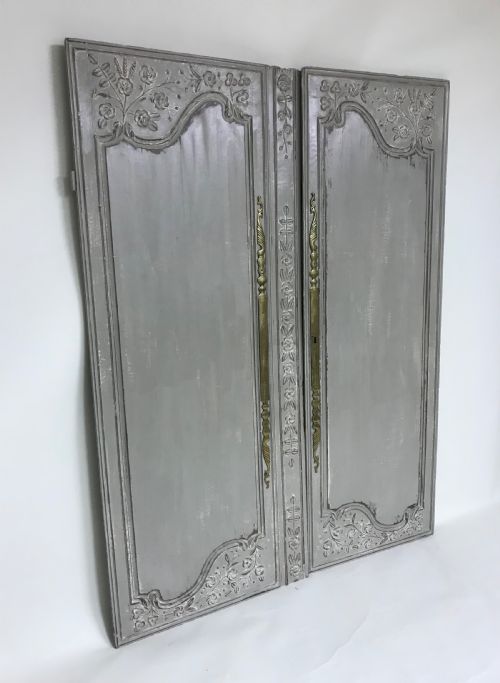
When you search for a louis style wardrobe, you encounter large storage pieces originating from continental traditions, predominantly represented here as French armoires and wardrobes spanning the eighteenth century through to the early twentieth century. These monumental furniture items appear in single, double, and triple configurations, sometimes accompanied by matching bedroom suites or structured simply as pairs of architectural doors.
The materials span solid timbers such as oak, walnut, and burr walnut, alongside painted wood surfaces and specialised finishes like bleached oak. You will find distinct regional expressions, notably pieces attributed to French provincial and chateau aesthetics, as well as specific revivals like French Rococo and Louis XV.
Dating ranges from eighteenth-century craftsmanship up to pieces built around nineteen-twenty, incorporating brass and iron hardware alongside mirrored glass panels. The forms serve primary storage functions while anchoring the room through proportion and decorative carving.
How they were made
Construction relies heavily on traditional timber selection, utilising oak and walnut for structural integrity and decorative burr walnut veneers for surface richness. Artisans shaped these woods into substantial door frames and cabinet carcases, often applying paint directly to the timber or bleaching the oak for a lighter appearance.
Decorative detailing incorporates hand-carving directly into the solid wood, supplemented by metalwork such as brass and iron hinges, locks, and ormolu mounts. Glass panels are integrated into door designs, requiring precise rebate work within the heavy timber framework.
Louis Style Wardrobe Retail Price Guide 2026
Typical asking prices for louis style wardrobe among the pieces listed under this phrase on Sellingantiques today, from the lower quarter to the upper quarter. They describe what is for sale here now, not the wider market.
The listings span periods from the eighteenth century through to nineteen-twenty, utilising oak, walnut, burr walnut, and painted wood.
What varies in quality
The distinction between tiers of craftsmanship lies in the depth and precision of the carved ornamentation and the selection of cabinet timbers. Superior examples employ finely figured burr walnut or deep hand-carved oak, whilst simpler iterations rely on plain painted wood surfaces.
Hardware integration further separates the categories, with high-tier pieces featuring substantial ormolu mounts and heavy cast brass fittings rather than utilitarian iron. The complexity of the assembly, from single door formats to expansive triple configurations with fitted internal compartments, dictates the architectural ambition of the piece.
The Louis Style Wardrobe Glossary
- Armoire
- A large wardrobe or cupboard, traditionally used for storing garments and linens. These tall cabinets often feature double doors and generous interior depth.
- Ormolu
- Gilt bronze ornamentation applied to furniture as decorative mounts. This technique provides a metallic contrast against dark timber surfaces like walnut.
- Burr walnut
- Timber harvested from walnut tree growths, prized for its swirling, highly figured grain patterns. Cabinet-makers sliced this wood into veneers for decorative door panels.
- Bleached oak
- Oak timber treated to lighten its natural tone, creating a softer contemporary appearance on traditional furniture forms. This finish alters the heavy dark aspect typical of older oak.
- French Provincial
- A style originating from regional French cabinet-makers who adapted court designs for rural homes. These pieces combine classic proportions with simpler, robust local construction.
Louis Style Wardrobe: Frequently Asked Questions
How do I fit a large wardrobe?
These tall cabinets require careful measurement of ceiling height and floor space before placement in a bedroom. Many historic armoires were constructed to dismantle into sections to facilitate transport through standard doorways.
Ensure the floor is level so the heavy timber doors hang true and latch correctly within their frames. Positioning away from direct heat sources protects the solid wood and veneers from drying out.
What is an armoire used for?
An armoire functions primarily as a primary wardrobe for hanging garments and storing folded clothing. The tall interior volume accommodates long coats and dresses that standard closets might crowd.
Beyond bedroom storage, these cabinets serve as linen presses or general utility cupboards in hallways and living spaces. Their imposing presence makes them the visual anchor of a room.
How do I date a wooden cabinet?
Dating relies on examining the timber species, construction joints, and decorative style markers present on the piece. Eighteenth-century examples display hand-cut joinery and aged patination, whereas early twentieth-century versions utilise machine-processed elements.
Hardware styles and finishing techniques, such as original paint layers or bleached treatments, provide further chronological clues. Comparing the carved motifs to known stylistic periods helps narrow the manufacturing era.
Are these cabinets dismantled easily?
Many traditional European armoires are built using pegged joints or knock-down construction designed for relocation. This modular approach allows the heavy crown, sides, and base to separate from the main back panel.
Professional installation is recommended for pieces with integrated glass doors or delicate ormolu mounts. Keeping track of original hardware during reassembly ensures the structural integrity remains undisturbed.