
Louis Style Mirror
A louis style mirror brings French Rococo and neoclassical ornamentation into a room, offering grand proportions and decorative gilt surfaces that reflect light.
Louis Style Mirror
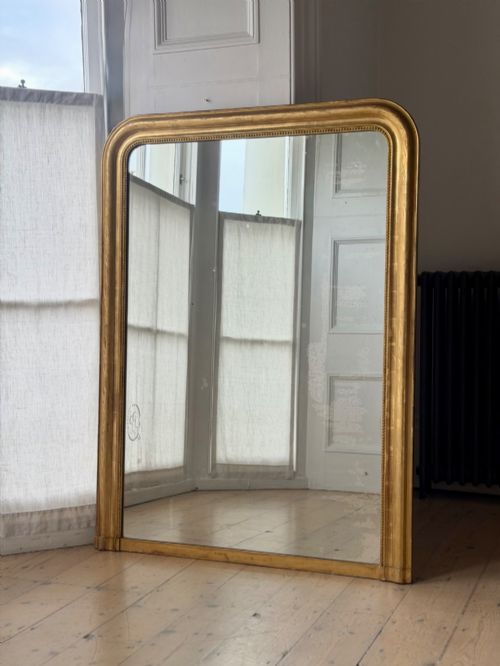
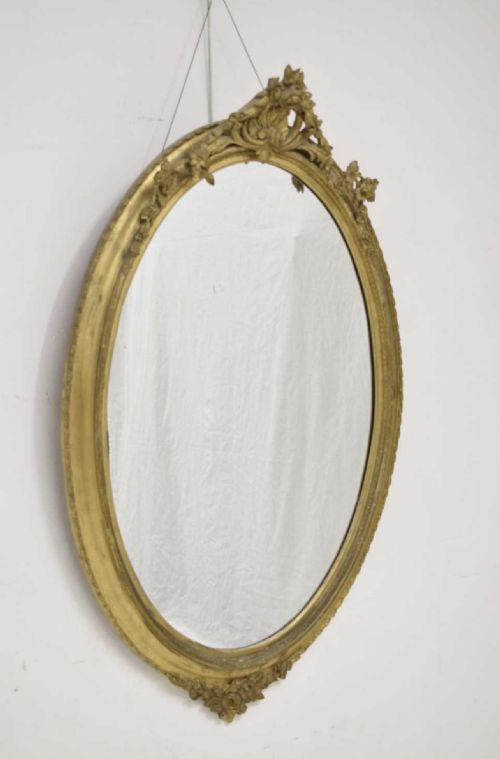
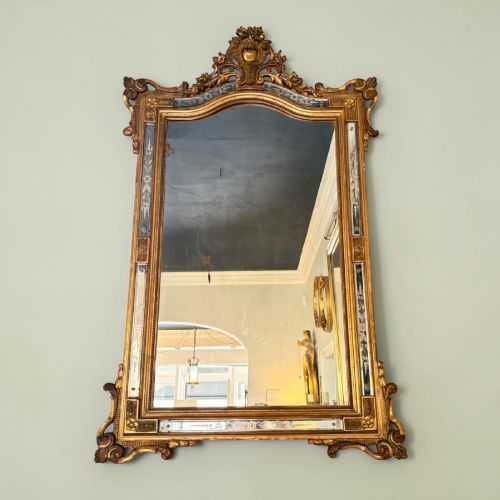
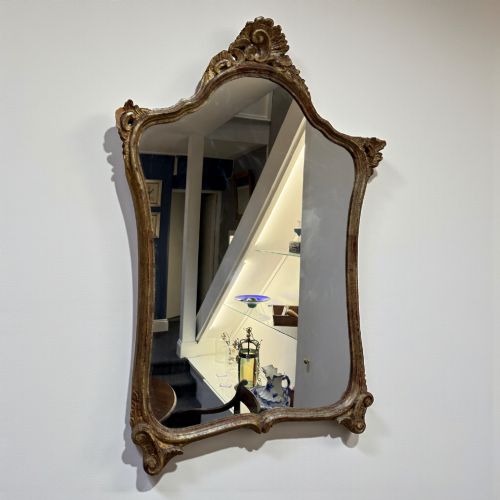
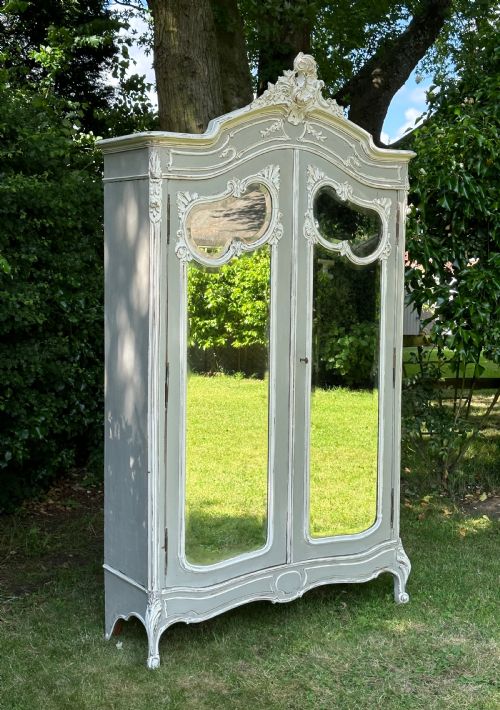
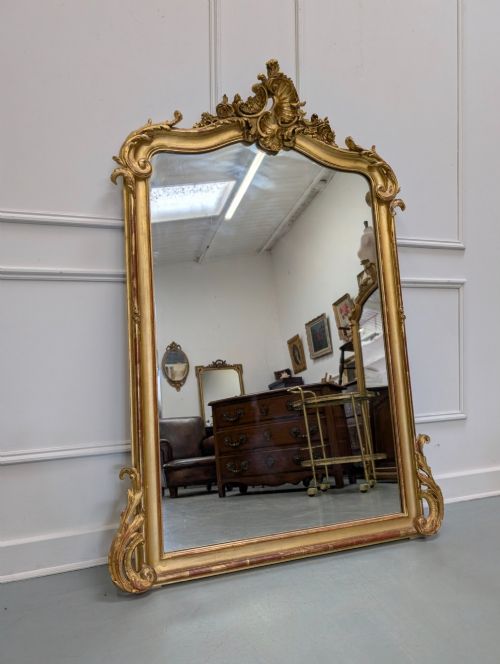
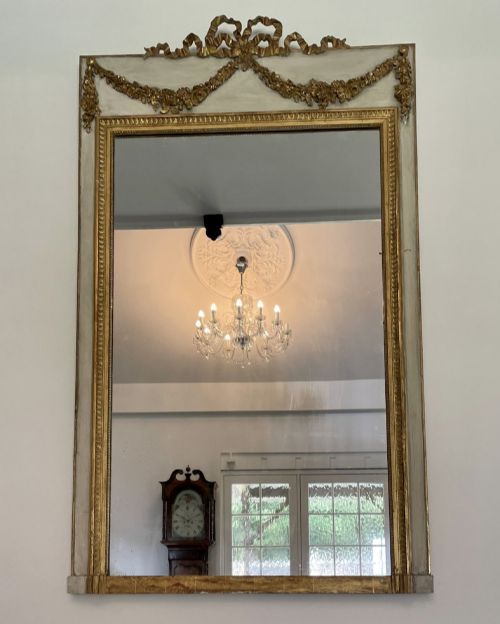
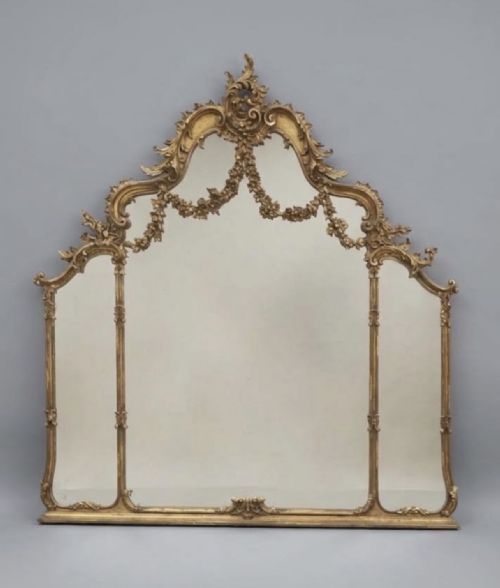
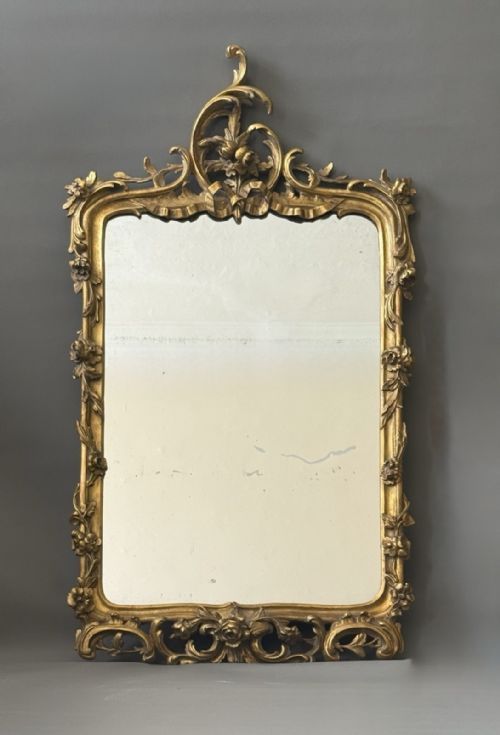
When searching for a louis style mirror, buyers encounter ornate wall and overmantel hanging pieces originating predominantly from the nineteenth century. These frames reflect French design influences such as Louis XV Rococo curves and Louis XVI neoclassical symmetry.
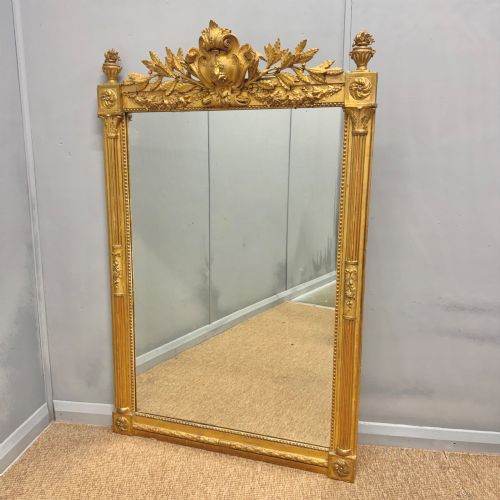
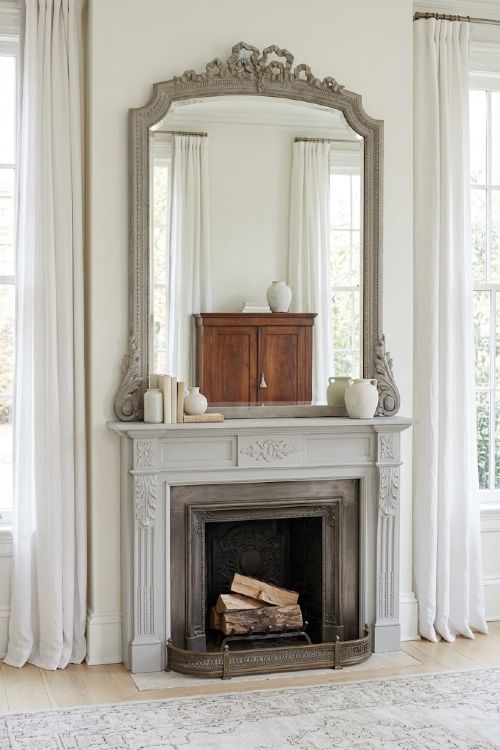
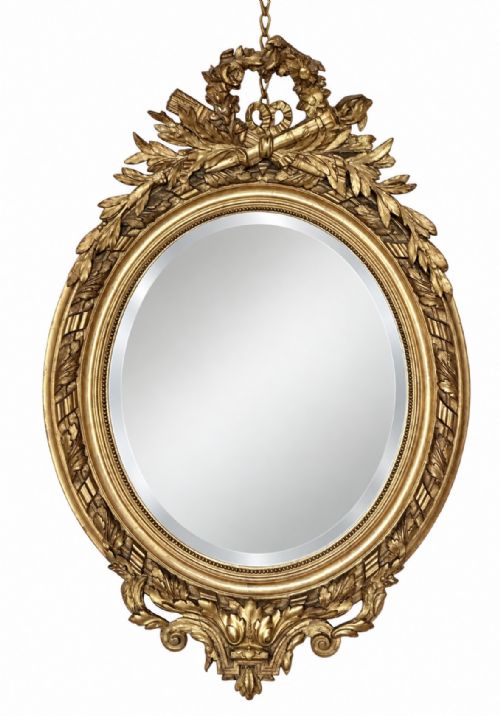
The most common form on this page is the large giltwood or gesso wall mirror, often featuring carved motifs like ribbons or scrolling foliage. Overmantel mirrors designed to sit above a fireplace also appear frequently, alongside smaller oval and rectangular wall variants.
Origins trace largely to French workshops, though Victorian English interpretations also surface. Dates span widely across the 1800s and early 1900s, capturing revivals of historical monarchical aesthetics.
How they were made
Carpenters carved wooden frames from timber such as oak or pine, applying layers of gesso to build up intricate relief ornaments before gilding. Gold leaf or water gilding was then applied to create a brilliant metallic sheen over the carved details.
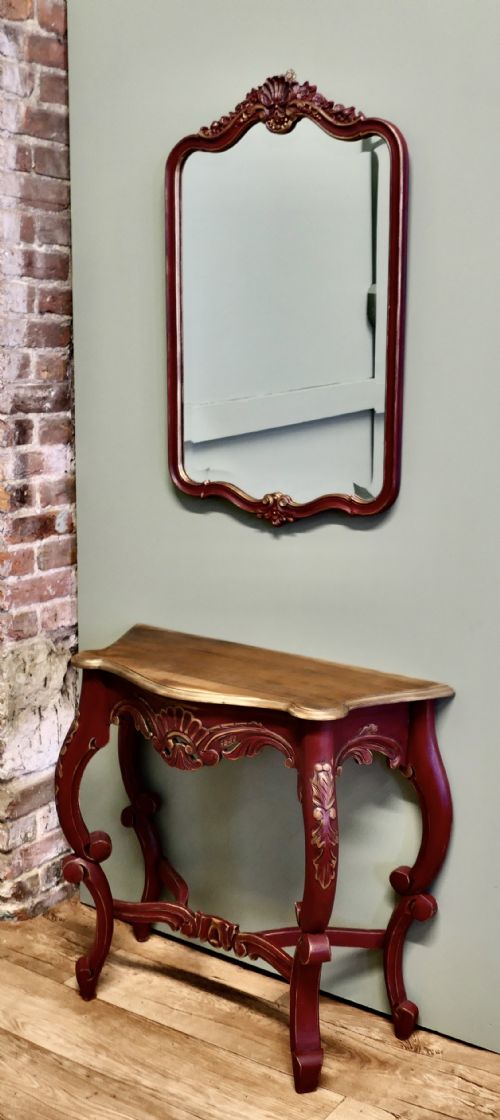
Many historical pieces utilise mercury glass plates, which often display foxing or spotting developed over decades. Alternative finishes include painted wood, parcel gilt accents, and brass or gilt bronze frames.
Design styles represented across the inventory include French Rococo, Louis XVI, and Belle Époque aesthetic influences.
What varies in quality
The depth and crispness of the hand-carved gesso ornamentation separate standard production from finer work. Superior examples display sharply defined acanthus leaves, scrollwork, and crests without distortion from excessive layers of later paint or clumsy gesso repairs.
The original glass plate contributes significantly to character and value, with older mercury plates showing distinct oxidation patterns. Frames retaining their original gilding and structural integrity demonstrate better preservation than those stripped or heavily restored.
Arsène Rochette·Maples of London and Paris·François Linke
The Louis Style Mirror Glossary
- Giltwood
- Wood that has been coated with gold leaf or gold paint. This technique gives the frame a luminous metallic finish characteristic of formal period furniture.
- Gesso
- A plaster mixture applied to wood frames and carved into relief designs before gilding. It provides the smooth, mouldable base for intricate floral and scroll decorations.
- Overmantel mirror
- A large mirror specifically proportioned to hang on the wall directly above a fireplace mantel. These pieces often feature wide rectangular or arched formats.
- Mercury glass
- A double-walled glass blown type silvered with a mercury amalgam between the layers. It creates a distinctive deep reflectivity prone to developing dark foxing spots over time.
- Rococo Revival
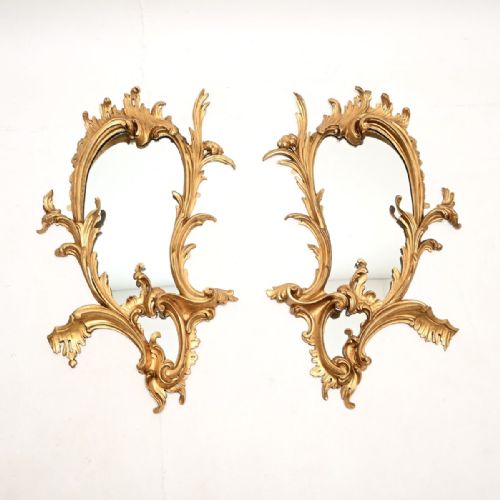
- A nineteenth-century design movement mimicking the asymmetrical C-scrolls and naturalistic motifs of the French mid-eighteenth century. It dominates the ornamentation seen on many of these frames.
Louis Style Mirror: Frequently Asked Questions
How do I hang a heavy overmantel mirror safely?
Heavy overmantel mirrors require robust wall fixings anchored directly into masonry or secure timber studs. Professional mirror hangers usually employ heavy-duty split cleats or steel brackets rated well above the weight of the frame.
Position the hanging points evenly to distribute the substantial weight of the timber and gesso construction. Ensuring the lower edge rests securely on a mantelpiece can also provide additional load-bearing support.
What causes dark spots on antique mirror glass?
Dark spots, known as foxing, occur when moisture or air slowly penetrates behind the silvering layer of the glass over many decades. This chemical reaction alters the reflective backing, creating characteristic patinated patches.
On older pieces utilising mercury or early silver nitrate techniques, foxing is a natural sign of age. Collectors often appreciate these imperfections as proof of authenticity and historical depth.
How do I distinguish Louis XV from Louis XVI style?
Louis XV style mirrors rely on asymmetrical curves, C-scrolls, and flowing naturalistic floral motifs inspired by the Rococo movement. The overall aesthetic is organic, sinuous, and lacks rigid straight lines.
Louis XVI style pivots toward neoclassical symmetry, featuring straight lines, rectangular geometries, urns, ribbons, and classical architectural columns. Frames from this latter revival group feel much more balanced, orderly, and restrained.