






Louis Style Coffee Table
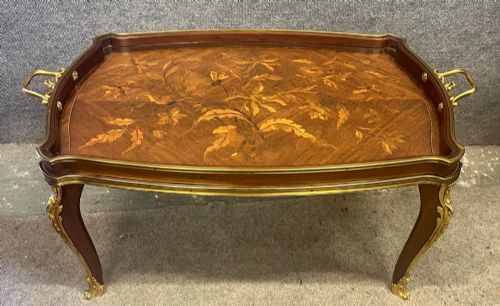
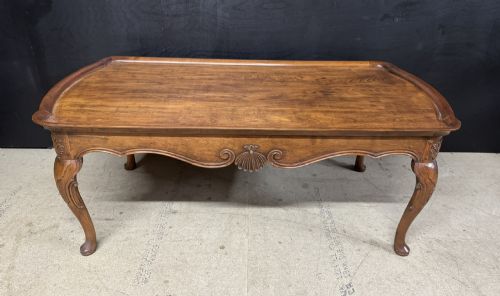
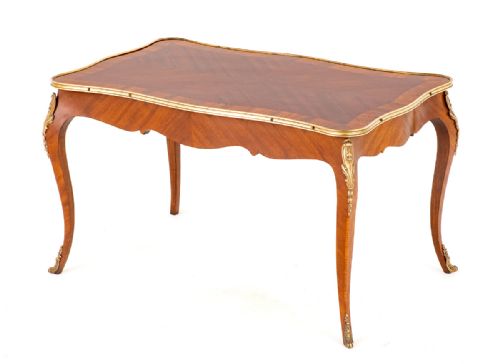
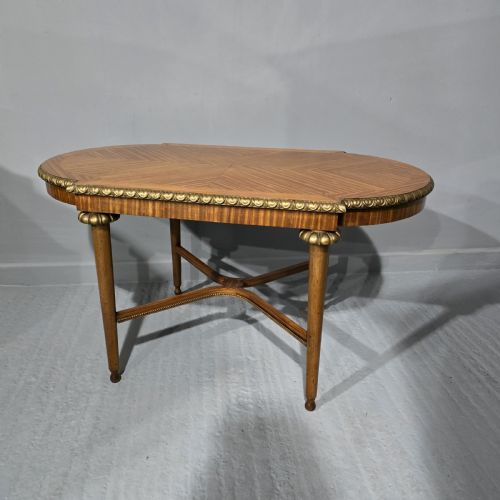
These pieces bring a louis style coffee table into a room, offering low surfaces with French revival carving, marble tops and marquetry.
Louis Style Coffee Table
A louis style coffee table draws on French Rococo Revival and Louis XVI designs, translated into low tables suitable for modern rooms. Most examples date from the late nineteenth century through to the 1930s, alongside Edwardian revivals.
The form appears as low coffee tables, tray top tables, and occasional or centre tables lowered for modern use. Walnut, mahogany, kingwood and satinwood provide the timber foundations for these pieces.
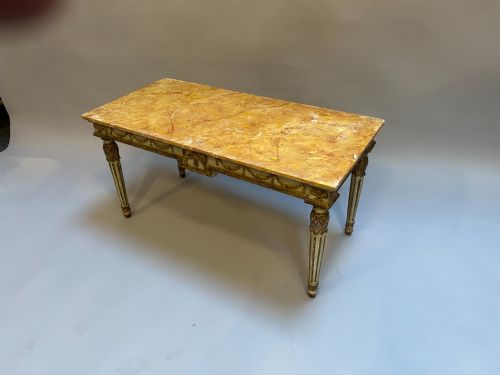
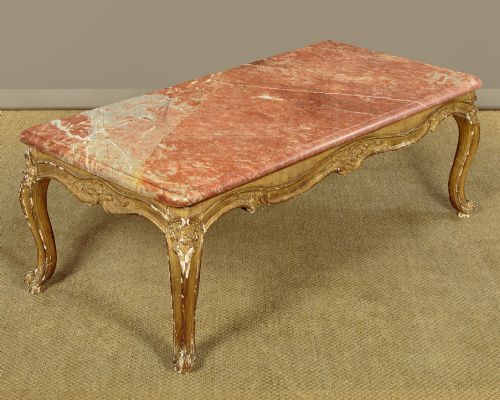
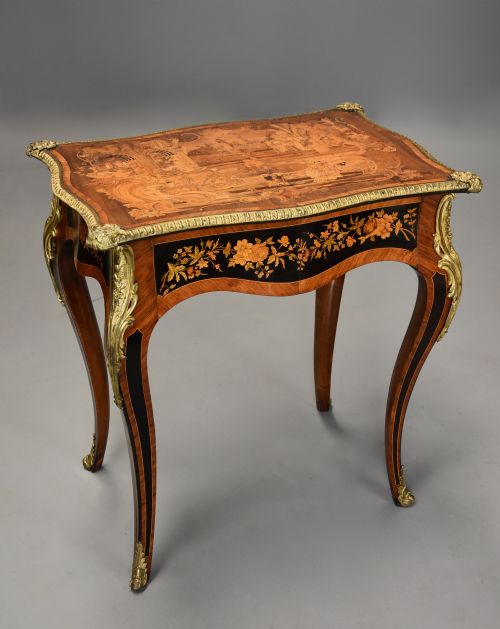
Makers often incorporated marble tops, giltwood frames and brass or ormolu mounts to emulate eighteenth-century royal furniture. Marquetry and parquetry patterns frequently decorate the timber surfaces.
Materials and construction
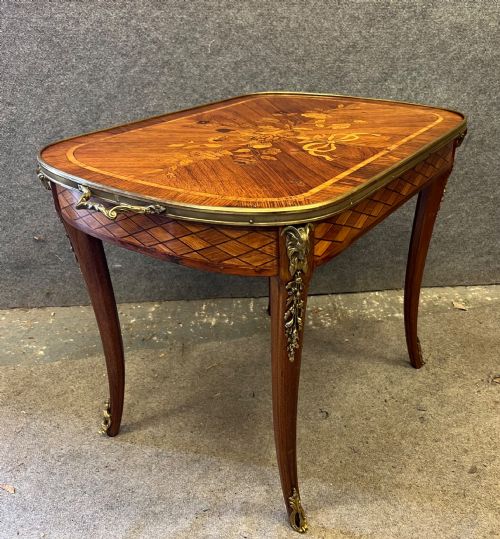
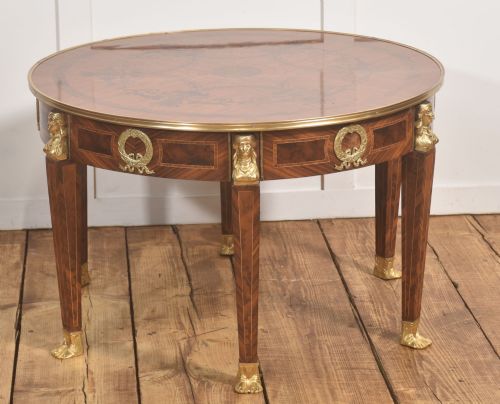
Cabinet makers utilised hardwoods such as walnut, mahogany and satinwood, often applying intricate kingwood, parquetry and marquetry veneers. Giltwood and ormolu mounts provide decorative contrast against the polished timber bodies.
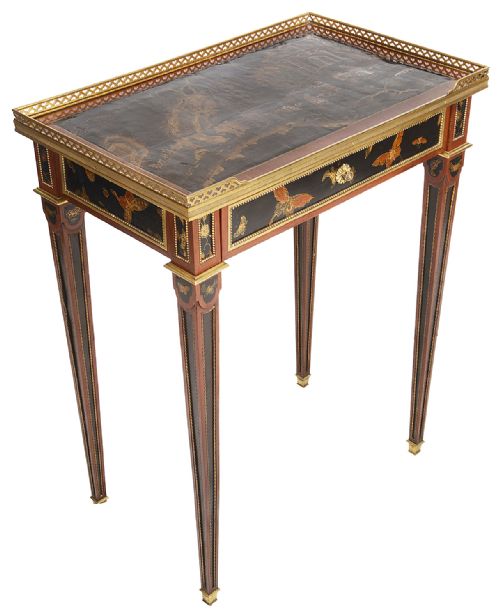
Inlaid brass details and galleried edges appear on many tray top and occasional tables. Heavy marble slabs form the upper surfaces of numerous giltwood and framework designs, supported by carved cabriole or tapered legs.
Louis Style Coffee Table Retail Price Guide 2026
Typical asking prices for louis style coffee table among the pieces listed under this phrase on Sellingantiques today, from the lower quarter to the upper quarter. They describe what is for sale here now, not the wider market.
Several low tables on offer began life as tall side or centre tables before being shortened to serve as coffee tables.
Factors of quality
The intricacy of the marquetry and parquetry work separates standard production from finer creations, as does the depth and crispness of the giltwood carving. Hand-chased ormolu mounts and carefully fitted marble tops indicate higher workshop standards.
Timbers selected for veneers, such as burr walnut or figured kingwood, show greater visual depth in superior examples. The structural joinery of the frame and the precision of the brass gallery work further define the standard of the piece.
Zwiener
The Louis Style Coffee Table Glossary
- Ormolu
- Gilded bronze mounts applied to furniture. This technique was widely used on French revival pieces to accent corners and legs.
- Marquetry
- Decorative veneer patterns formed from pieces of wood, shell or ivory. Artisans arranged these materials to create floral or geometric pictures.
- Parquetry
- Geometric wood inlay patterns resembling mosaics. It frequently decorates the tabletops of French occasional furniture.
- Giltwood
- Wood carved and coated with gold leaf. It provides a bright decorative finish on revival frames.
- Galleried edge
- A raised brass or wood rim around a tabletop. This feature prevents items from sliding off tray top tables.
Louis Style Coffee Table: Frequently Asked Questions
What is a louis style coffee table?
A louis style coffee table is a low table influenced by French eighteenth-century designs under Louis XV and Louis XVI. These pieces often feature marquetry, giltwood, marble tops and ormolu mounts.
Many examples date from the Victorian era to the 1930s, created as revivals of earlier French cabinet making traditions. They bring formal decorative elements into lower living room formats.
How do I clean a marble top?
Marble surfaces require gentle cleaning with a soft cloth and warm water, avoiding acidic substances that can etch the stone. Regular dusting keeps the polished surface clear without damaging the material.
Heavier marks need specialised stone cleaners suitable for polished marble. Protecting the top from moisture helps maintain the finish over time.
How to tell periods apart?
Nineteenth-century revival pieces often display heavier proportions and rich ormolu casting, while Edwardian examples can feature lighter satinwood finishes. Pieces from the 1920s and 1930s frequently combine traditional marquetry with simpler low table constructions.
Examining the underside, timber shrinkage, and the method of gilt application helps clarify the age of the piece. Craftsmanship details shift from nineteenth-century hand-carving towards early twentieth-century production methods.
Where should I place it?
These tables function as central pieces in a living room, positioned before a sofa to display books or decorative objects. Their finished tops and detailed legs make them suitable for viewing from all angles.
Placing them away from direct heat sources protects the timber veneers and prevents the wood from drying out. Adequate clearance around the table allows the carved frames and cabriole legs to remain visible.