



Louis Philippe Dresser
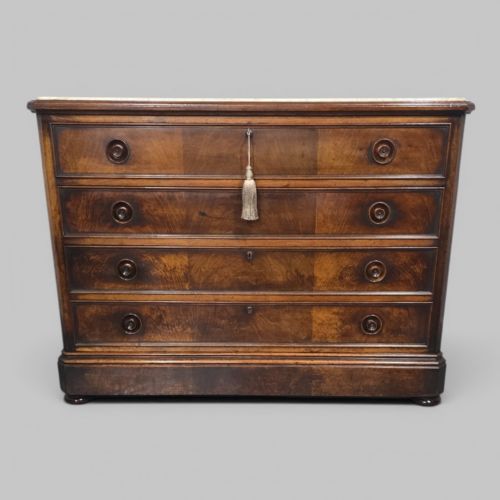
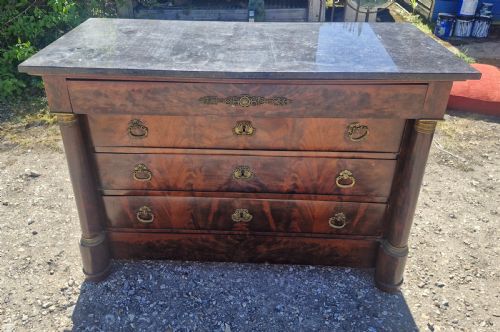
A louis philippe dresser brings understated French elegance to a bedroom with its clean lines and cool stone top.
Louis Philippe Dresser
When you search for a louis philippe dresser, you are looking at nineteenth-century French commodes and chests of drawers defined by their restrained classical proportions. These pieces drop the heavy ornamentation of earlier empire styles in favour of simple, elegant curves and sleek drawer fronts.
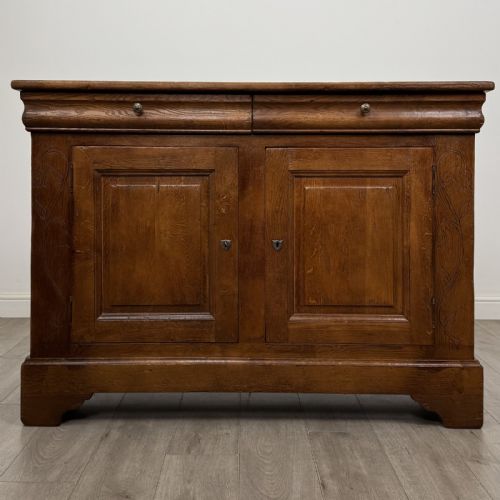
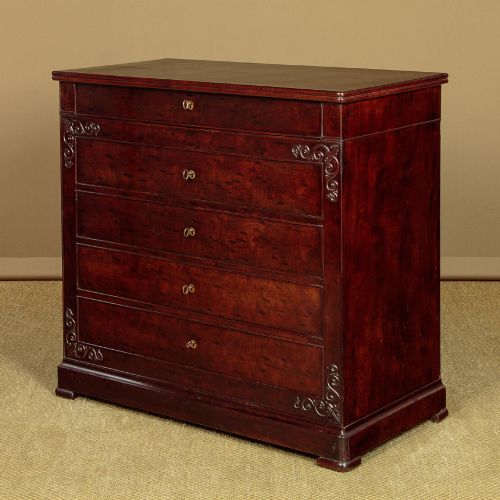
On this page, you will most frequently meet walnut, burr walnut, and flame mahogany examples alongside sturdier oak versions. Most items date from the mid-nineteenth century, around eighteen fifty, though related pieces stretch into the early twentieth century.
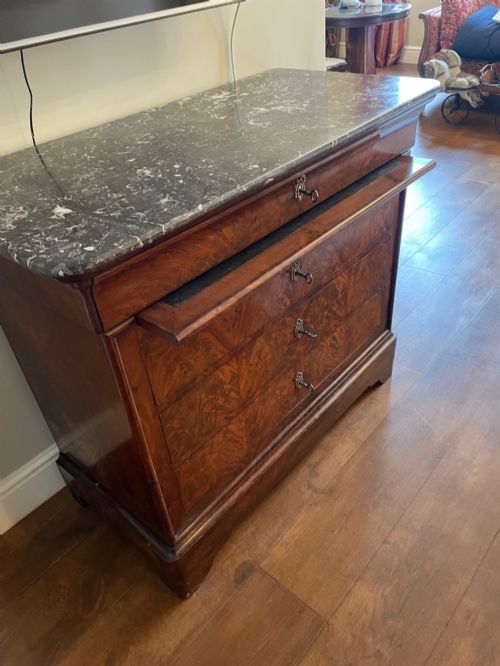
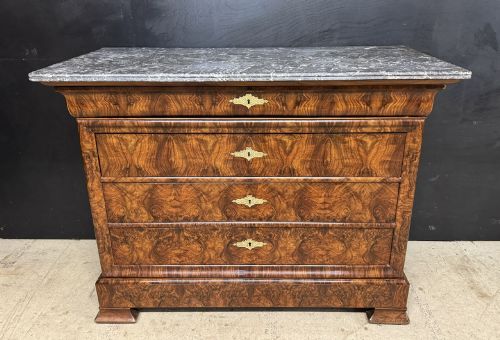
The form typically presents as a low chest of drawers, often referred to as a commode, topped with a fitted slab of marble. This combination of rich timber and cool stone provides both a practical surface and a striking visual contrast for the bedroom.
How they were made
Cabinet makers built these pieces using solid and veneered timbers over robust structural carcasses, selecting figured woods like burr walnut and flame mahogany for the primary drawer fronts. The rich grain patterns were carefully matched across the drawers to create a balanced, seamless appearance.
Heavy marble slabs were quarried and precision-cut to sit directly upon the top surface of the commode, offering a durable and waterproof finish. Brass details, such as key escutcheons and simple pulls, were occasionally added to punctuate the dark timber surfaces.
Louis Philippe Dresser Retail Price Guide 2026
Typical asking prices for louis philippe dresser among the pieces listed under this phrase on Sellingantiques today, from the lower quarter to the upper quarter. They describe what is for sale here now, not the wider market.
Some nineteenth-century commodes hide a secret shallow drawer tucked right beneath the marble top, perfect for flat valuables.
What varies in quality
The quality of a louis philippe dresser rests primarily on the choice of wood veneers and the richness of their grain. Pieces featuring deeply figured burr walnut or vibrant flame mahogany display a superior visual depth that elevates them above standard walnut or plain oak examples.
Another measure of quality lies in the integration of the marble top and the precision of the drawer construction. Finer pieces maintain crisp moulding details around the drawers and feature thick, well-finished marble slabs that fit the carcase flush without awkward overhangs.
The Louis Philippe Dresser Glossary
- Commode
- A low French chest of drawers, typically used in a bedroom and topped with marble. This is the primary form you will encounter when searching for this style.
- Burr Walnut
- A highly prized timber taken from the gnarled growth of a walnut tree, showing swirling, intricate grain patterns. It was frequently used for high-end drawer fronts.
- Flame Mahogany
- Mahogany veneer cut in a specific way to produce a distinctive, flickering flame-like pattern across the wood. It gives the chest a bright and active surface appearance.
- Escutcheon
- A small protective plate of brass surrounding the keyhole of a drawer. It often serves as a subtle decorative accent on the timber facade.
Louis Philippe Dresser: Frequently Asked Questions
What is a louis philippe dresser?
A louis philippe dresser is a nineteenth-century French chest of drawers, commonly known as a commode. These pieces are characterised by understated styling and topped with marble.
They emerged during the period associated with King Louis Philippe and focus on rich wood grains rather than heavy carvings.
Why do these chests have marble tops?
Marble tops provided a durable, cooling, and waterproof surface for washing and placing personal items in nineteenth-century bedrooms.
The stone also added considerable weight and a refined contrast to the warm walnut or mahogany carcase beneath.
How do I date a louis philippe dresser?
Dating relies on examining the timber species, construction methods, and hardware choices visible across the piece. Most examples date from around eighteen fifty, showing specific French provincial cabinet-making techniques.
Later pieces from the early twentieth century often utilise simpler oak or walnut construction without the same depth of veneer.
Where should I place a commode?
These commodes suit bedrooms or living spaces where their low profile and marble surface can be fully appreciated. Their restrained aesthetic allows them to sit comfortably alongside both antique and modern interior furnishings.
Ensure the floor is level to support the weight of the timber and stone construction.