





Lorenzl Bronze Figure
A lorenzl bronze figure captures the kinetic grace of the 1920s and 1930s through fluid dancer studies.
Lorenzl Bronze Figure
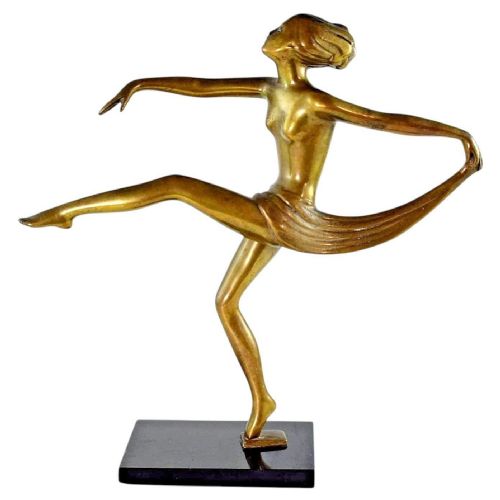
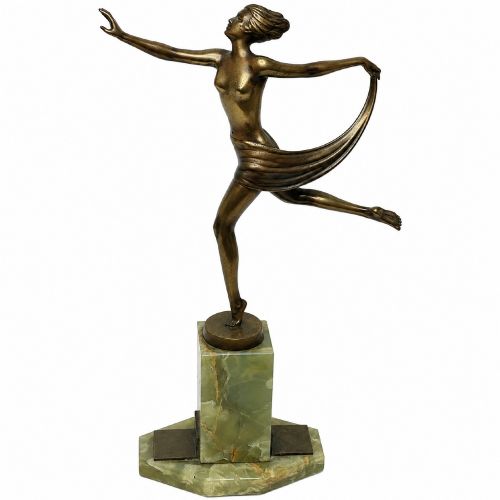
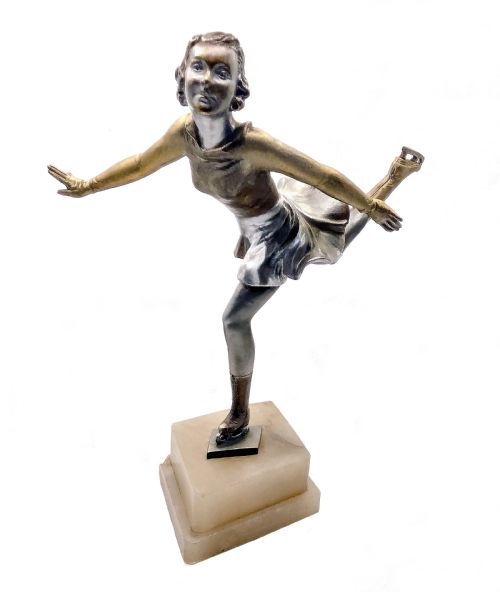
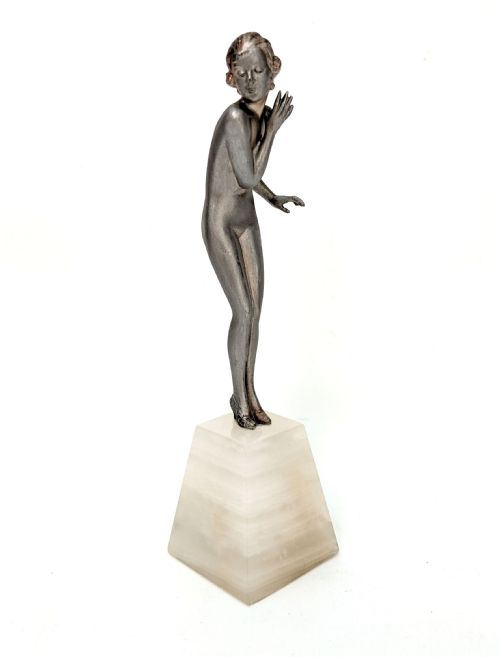
A lorenzl bronze figure represents the quintessential sculptural output of the Art Deco period, capturing dancers, ballerinas, and female subjects in dynamic motion. When exploring a lorenzl bronze figure, collectors encounter dynamic representations such as Egyptian dancers, scarf dancers, and musicians.
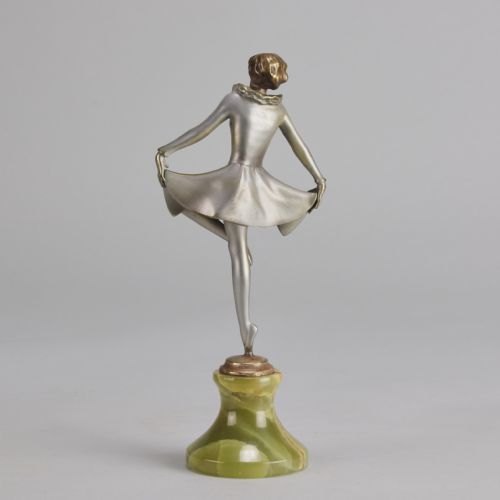
The objects take the form of sculptures and figurines designed during the 1920s and 1930s. The figures frequently depict young ladies dancing, ice skaters, and specific named subjects like Maria Jeritza.
Examples on this page span the 1920 and 1930 decades, reflecting the height of Austrian Art Deco design. The focus remains tightly on figurative work rendered with distinctive outstretched arms and expressive poses.
Materials and construction
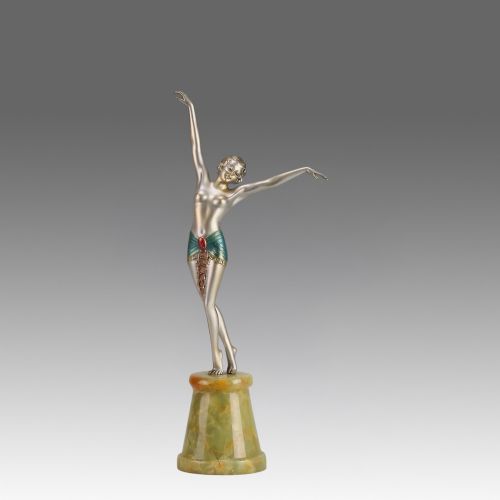
Makers utilised bronze, silvered bronze, and cold-painted bronze to cast these detailed female figurines. Metalwork often involved cold painting or enamel to add colour and surface definition to garments and hair.
Spelter appears as an alternative metal medium for figures produced in the same stylistic vein. Many sculptures incorporate onyx, marble, and wood bases to anchor the metal compositions securely.
Lorenzl Bronze Figure Retail Price Guide 2026
Typical asking prices for lorenzl bronze figure among the pieces listed under this phrase on Sellingantiques today, from the lower quarter to the upper quarter. They describe what is for sale here now, not the wider market.
Listings feature items from the 1920 and 1930 periods executed in bronze, spelter, and onyx.
Variations in quality and execution
The distinction between a bronze casting and a spelter figure establishes the primary tier of quality within these sculptures. Metal surfaces finished with detailed cold painting or silvering demand greater technical skill than basic patination.
The presence of a signature or attribution changes how a piece is regarded by collectors of Art Deco sculpture. Sculptures mounted on substantial onyx or marble bases demonstrate superior material integration compared to simpler mountings.
Josef Lorenzl
The Lorenzl Bronze Figure Glossary
- Cold-painted bronze
- Bronze sculpture decorated with unfired paint applied directly to the metal surface. This technique allows for intricate polychrome details on garments and hair.
- Spelter
- A zinc alloy commonly utilised as a less costly alternative to bronze for decorative figurines. It requires careful handling due to its relative softness compared to copper alloys.
- Art Deco
- The dominant design style of the 1920s and 1930s characterised by stylised forms and streamlined shapes. It influences the posture and clothing of figures from this era.
- Silvered bronze
- Bronze metalwork treated with a silver coating to impart a bright metallic sheen. This finish highlights the linear qualities of dancer sculptures.
Lorenzl Bronze Figure: Frequently Asked Questions
How do I identify a lorenzl bronze figure?
Look for characteristic Art Deco dancer poses featuring outstretched arms and slender proportions. These sculptures typically depict female figures in motion.
Check for signatures or attributions associated with the Austrian sculptor. The presence of cold-painted surfaces or silvered bronze finishes also points towards authentic production.
What materials were used in these sculptures?
Foundry work primarily utilised bronze, silvered bronze, and cold-painted bronze for the main figurative elements. Some examples utilise spelter as a metal alternative.
Bases are frequently constructed from onyx, marble, or wood to provide stability. Enamel highlights occasionally appear on the painted elements.
Where were these figures made?
Production centred in Austria during the interwar decades of the twentieth century. The aesthetic aligns closely with Viennese Art Deco bronze casting.
Works from this origin often capture contemporary dancers and performers of the period. European foundries executed the casting and cold painting techniques.
How should I display my sculpture?
Place the figure on a stable, flat surface away from direct sunlight to protect cold-painted finishes. Onyx and marble bases require adequate weight support.
Keep the environment dry to prevent moisture damage to the metal surfaces and painted details. Gentle dusting maintains the condition of the bronze.