

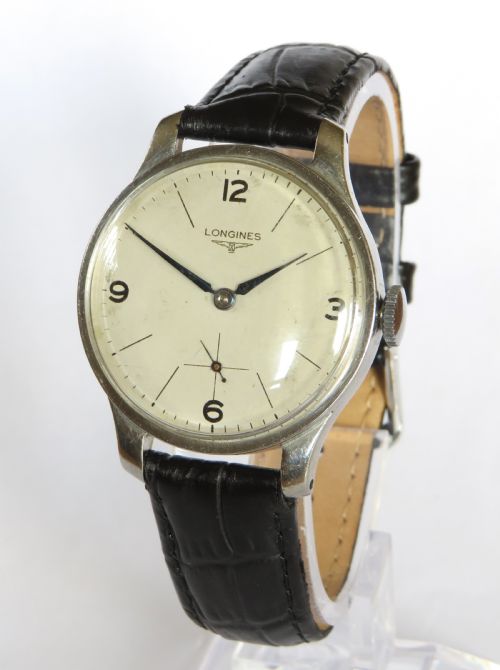


Longines Manual Wind Watch
A longines manual wind watch is a mechanical timepiece offering timeless elegance and reliable Swiss engineering that collectors and daily wearers prize for genuine horological heritage.
Longines Manual Wind Watch
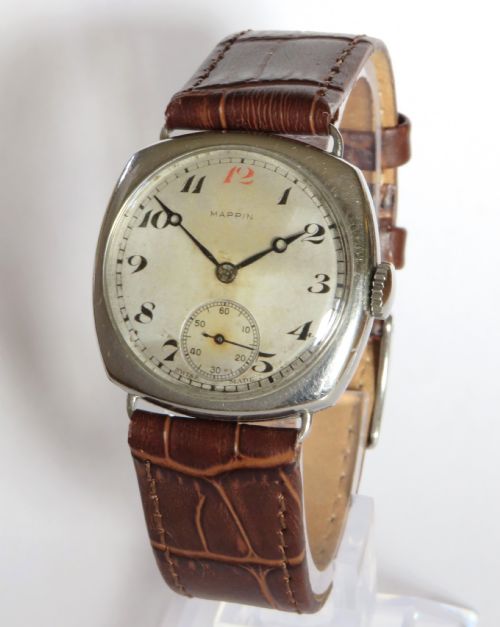
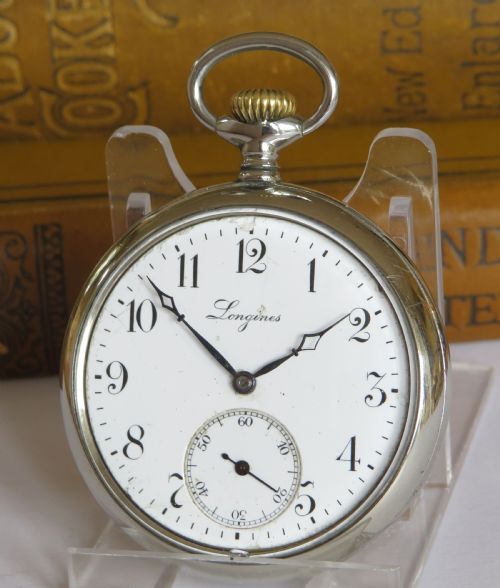
A longines manual wind watch represents a tradition of fine Swiss timekeeping spanning from Edwardian pocket watches through to mid-century wristwatches. When you search for this phrase, you encounter traditional mechanical pieces driven by hand rather than an automatic rotor or battery.
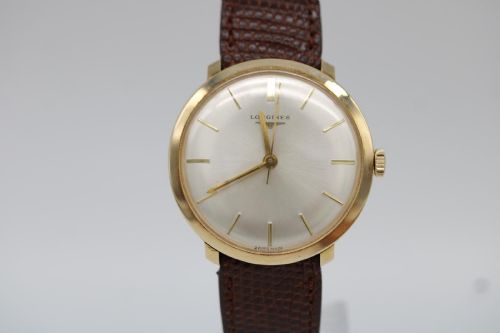
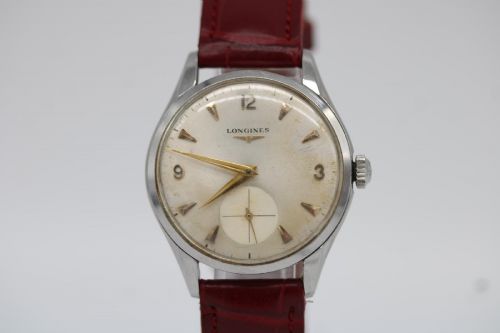
The versions you are most likely to meet on this page date from the 1940s, 1950s, and 1960s, reflecting the post-war golden age of wristwatch design. These range from classic gents dress watches housed in stainless steel or 9ct gold cases to earlier pocket watches.
Makers and partners such as Baume also appear alongside standard Swiss production, offering varied case diameters like thirty-five millimetres. Each piece captures a specific decade of manufacture, visible through dial typography, case geometry, and movement calibres.
Materials and Construction
These timepieces were built using durable metals including stainless steel, silver, brass, and solid 9ct gold for the outer cases. Crystals fashioned from acrylic protect the dials, while movements incorporate brass plates and steel gears.
Straps are traditionally made from leather to complement the metallic case work. Inside, mechanical calibres such as the 12.68Z utilise jewels to reduce friction on pivot points, ensuring steady timekeeping when wound by hand.
Longines Manual Wind Watch Retail Price Guide 2026
Typical asking prices for longines manual wind watch among the pieces listed under this phrase on Sellingantiques today, from the lower quarter to the upper quarter. They describe what is for sale here now, not the wider market.
Materials recorded across the available inventory include leather, acrylic, stainless steel, 9ct gold, silver, steel, enamel, and brass.
Factors of Quality
Quality in a longines manual wind watch rests on the preservation of the original dial and the crispness of the case edges. Unpolished metal cases retain their factory lines and hallmarks far better than those heavily worn or refinished over decades.
The sophistication of the internal movement and the inclusion of precious metals like 9ct gold elevate certain examples above standard stainless steel iterations. Original signed dials and associated maker markings further distinguish superior specimens.
Longines·Longines Baume
The Longines Manual Wind Watch Glossary
- Manual wind
- A mechanical watch movement that requires the wearer to turn the crown periodically to tension the mainspring. This eliminates the need for batteries.
- Calibre
- The specific manufacturer designation for the internal mechanical movement of a watch. Different calibres denote distinct engineering designs and sizes.
- Jewels
- Synthetic rubies or sapphires placed within the movement at high-friction pivot points to reduce wear. They are a hallmark of traditional watchmaking craftsmanship.
- Acrylic
- A lightweight, shatter-resistant plastic material commonly used for watch crystals during the mid-century period. It can be easily polished if minor scuffs occur.
- Hallmark
- An official stamp struck into precious metal items, such as 9ct gold, to verify the purity and origin of the material.
Longines Manual Wind Watch: Frequently Asked Questions
How do I wind my watch?
You wind a manual watch by rotating the crown clockwise between your thumb and forefinger until you feel a gentle resistance. Stop turning immediately once this resistance is met to avoid damaging the mainspring.
Wind the watch around the same time each day to maintain consistent tension and accurate timekeeping throughout your wear.
Are these watches water resistant?
Vintage timepieces from these decades generally lack modern gasket systems and contemporary water resistance standards. Accidental splashes or rain should be avoided to prevent moisture entering the case.
Keep the watch away from sinks, swimming pools, and humid environments to protect the sensitive internal movement and delicate dial components.
What is a Denisteel watch?
Denisteel refers to a specific proprietary alloy or case designation utilised during the mid-century period for robust wristwatch production. It provided enhanced durability for everyday wear.
Such specialty designations offer insight into the manufacturing variations employed by makers during the nineteen-fifties.
How do I date my watch?
Dating these timepieces involves examining the serial numbers engraved on the movement or case back against historical manufacturing records. Design cues such as numeral styles and hand shapes also provide strong period indicators.
Comparing the internal movement calibre against known production years helps narrow down the exact decade of origin.