


Long Wooden Hallway Bench
A long wooden hallway bench gives a narrow space practical seating and presence, shaped by centuries of regional timber framing.
Long Wooden Hallway Bench
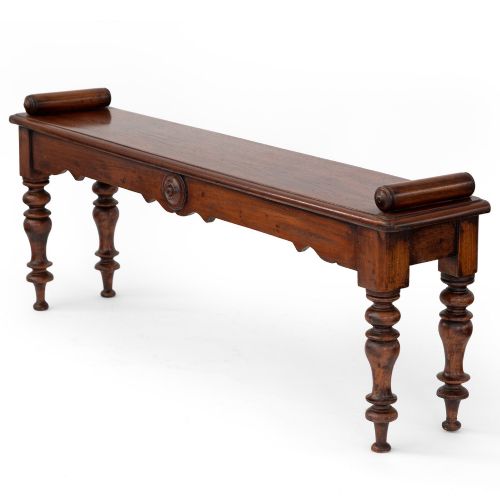
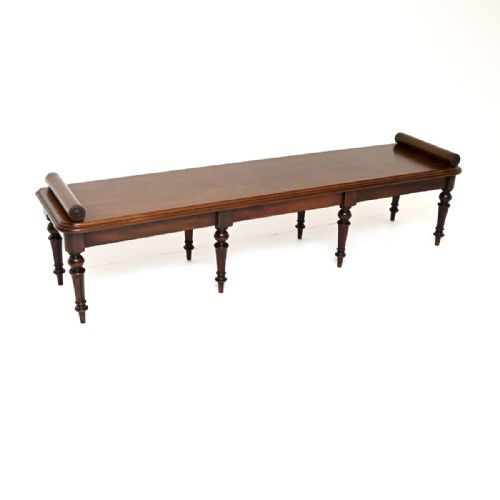
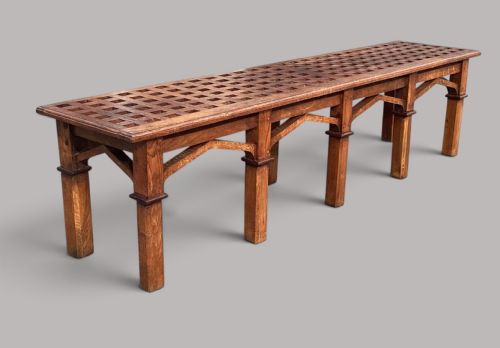
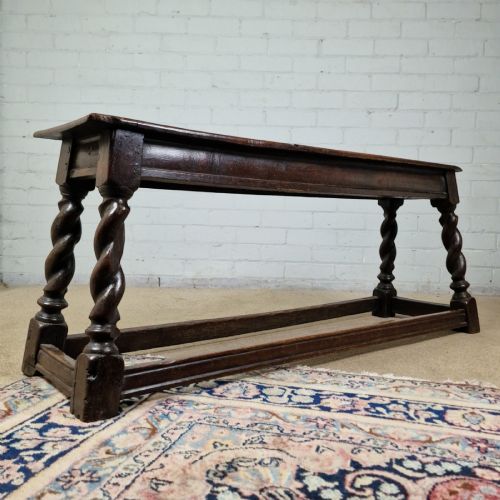
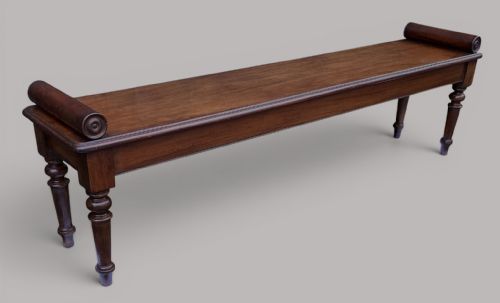
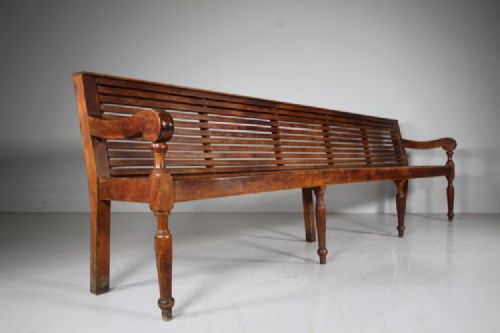
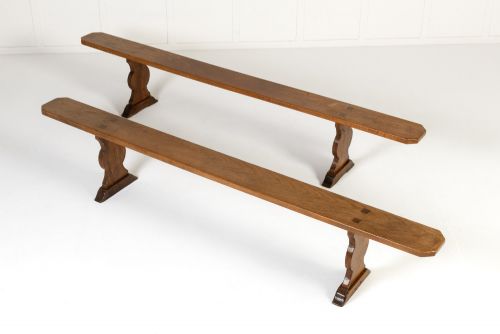
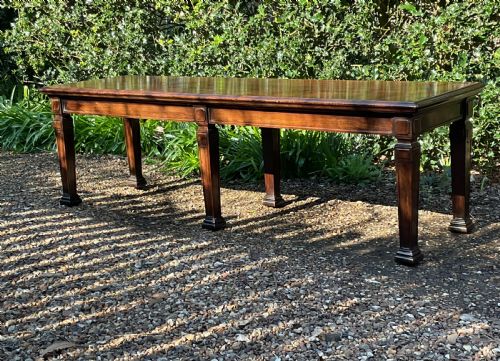
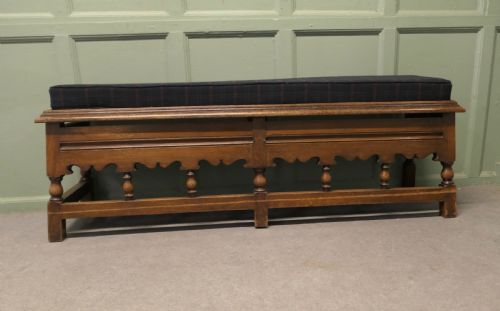
When you search for a long wooden hallway bench, you meet utilitarian pine, heavy oak tavern forms, and polished mahogany window seats that span up to nine feet. These pieces serve narrow passages, boot stores, and waiting rooms, originating from workshops across the nineteenth and eighteenth centuries.
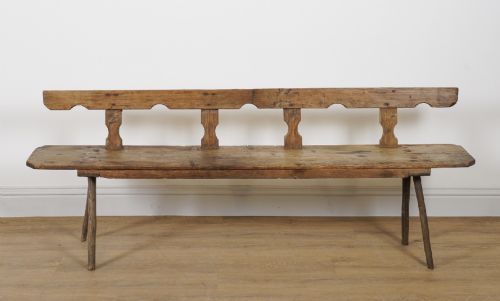
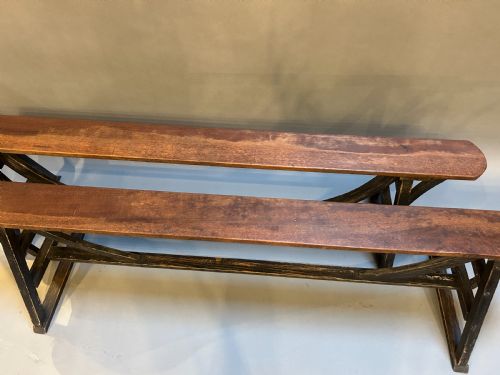
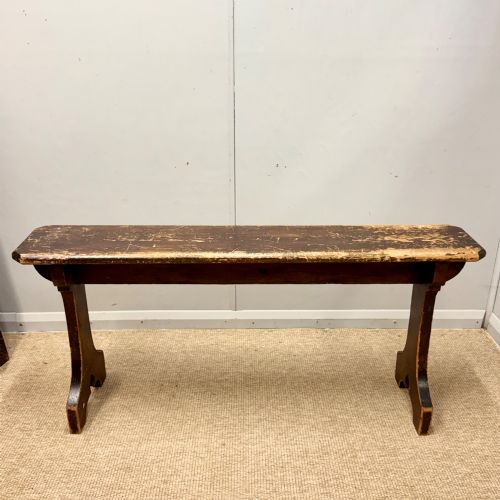
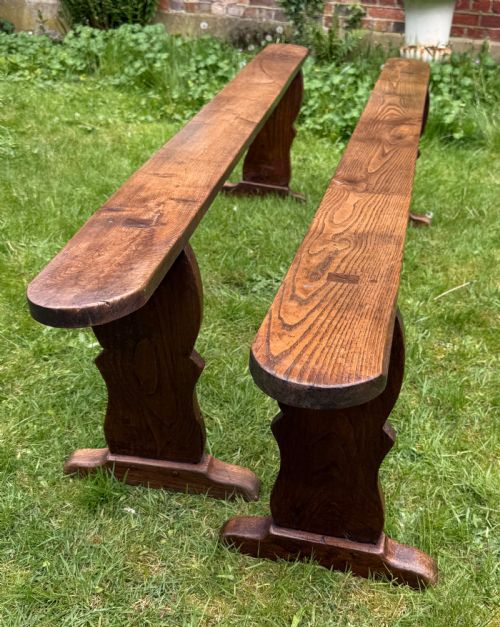
The pine examples often arrive from farmhouses, schools, and chapels with simple boarded seats and painted finishes, while hardwood versions show finer joinery suited to domestic reception spaces. French and English provincial models appear frequently alongside Regency designs with carved details.
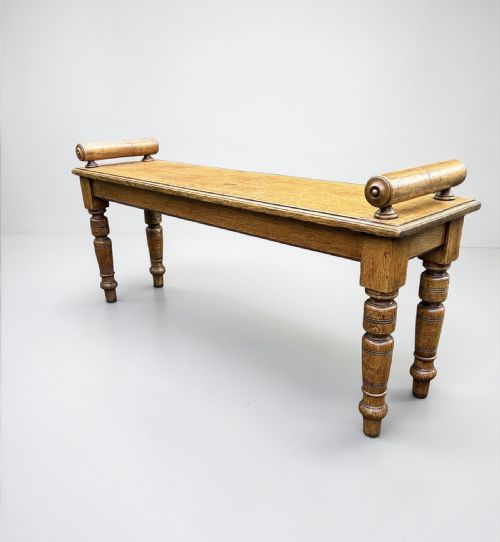
Shorter stool forms and deep window seats share this category, offering dual functions as low tables or shoe storage units beneath hinged lids. Each variant reflects the domestic or institutional demands of its original interior.
Construction and Materials
Carpenters built these benches using solid native timbers including oak, pine, mahogany, walnut, cherry, and hardwood. Planks were selected for length and thickness to support heavy daily use without warping across extended spans.
Joinery relied on pegged mortise and tenon joints for structural stability, particularly in trestle and refectory formats. Surfaces received simple wax polish, traditional paint layers, or polished finishes that highlighted the grain of the wood.
Long Wooden Hallway Bench Retail Price Guide 2026
Typical asking prices for long wooden hallway bench among the pieces listed under this phrase on Sellingantiques today, from the lower quarter to the upper quarter. They describe what is for sale here now, not the wider market.
One persistent pine bench carries the distinct physical mark of a village chapel in Llanfair, ready for its next congregation.
Quality and Proportion
The standard of a long wooden hallway bench rests upon the integrity of its timber selection and the retention of its original surface. Pieces retaining authentic patination and unrestrained structural depth command greater respect than those stripped down or heavily altered.
Proportion and scale dictate the success of the form, especially in lengths exceeding six feet where sagging must be resisted by substantial stretchers and thick seat boards. Hand-carved details or marked provenance add distinct character without altering the core utility.
The Long Wooden Hallway Bench Glossary
- Refectory bench
- A long, narrow seating form traditionally paired with a dining table in large halls or institutions. These often feature trestle bases and substantial wooden stretchers.
- Window seat
- A domestic bench designed specifically to fit the recess of a window, frequently featuring upholstered cushions or elegant mahogany frames.
- Flip over railway bench
- A dual-sided seating form with a reversible backrest that allowed passengers to face either direction, adapted later for domestic boot storage.
- Cane footstool
- A low wooden frame inset with woven cane panels, used for resting feet or as a light auxiliary seat.
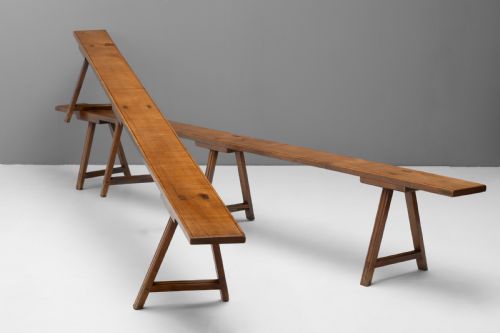
- Trestle
- A structural support consisting of a horizontal beam fixed to two splayed legs, common in long tavern and refectory benches.
Long Wooden Hallway Bench: Frequently Asked Questions
How do I measure for a long hallway bench?
Measure the clear wall space and leave adequate clearance for doors to open and people to pass comfortably. Account for the bench depth, especially if it includes a boot store or hinged lid.
Consider the visual weight of long timber in a narrow hall, ensuring the piece does not overwhelm the passage. Trestle and slatted designs often look lighter in confined areas than solid box forms.
Were these benches originally made for hallways?
Many long wooden benches served in diverse environments like chapels, schools, taverns, and waiting rooms before entering domestic hallways. Institutional and provincial pieces often display markings or wear consistent with heavy public use.
Regency and Victorian mahogany or walnut versions were frequently built as window seats or hall furniture for large houses. Their adaptability makes them suitable for modern entrance spaces.
How do I care for antique pine and hardwood benches?
Apply traditional beeswax periodically to nourish dry timber and maintain a soft sheen on unpainted surfaces. Avoid placing wooden benches near direct heat sources that can cause timber to split.
Clean painted or polished surfaces with a dry or lightly dampened cloth, avoiding harsh chemical cleaners. Ensure cane or upholstered inserts are kept dry and free from excessive moisture.
Can these benches be used with dining tables?
Long oak and pine benches work well alongside dining tables, echoing historical refectory and farmhouse seating arrangements. Check the seat height against the table apron to ensure comfortable leg clearance.
Refectory and tavern benches offer generous lengths that seat multiple diners efficiently. Their sturdy construction handles the daily demands of a dining room.