


Long Wooden Benches
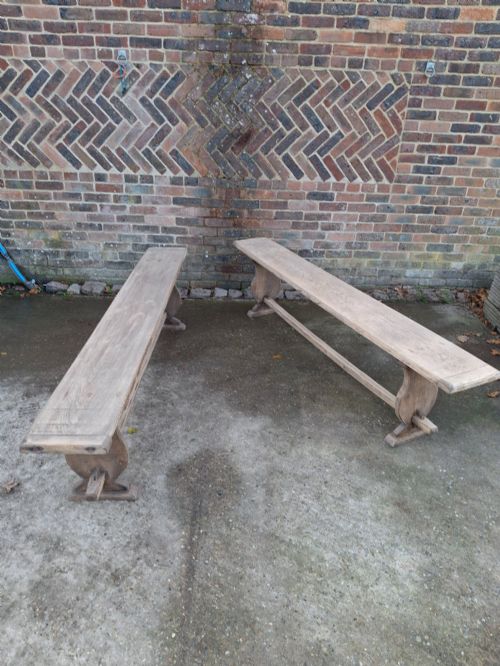
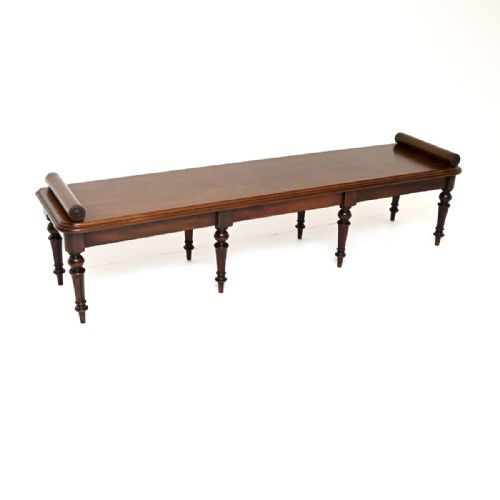
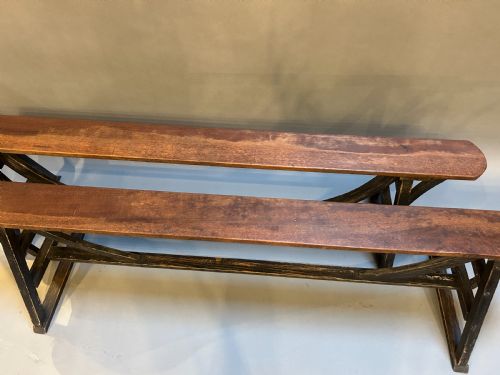
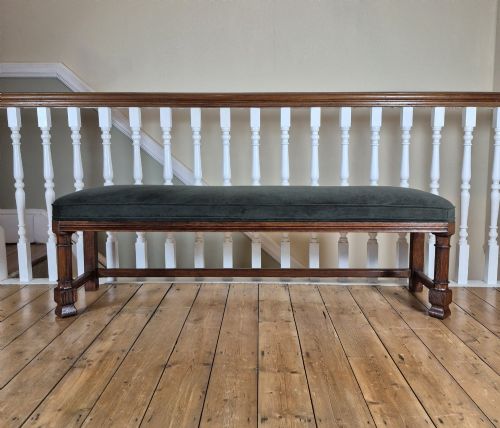
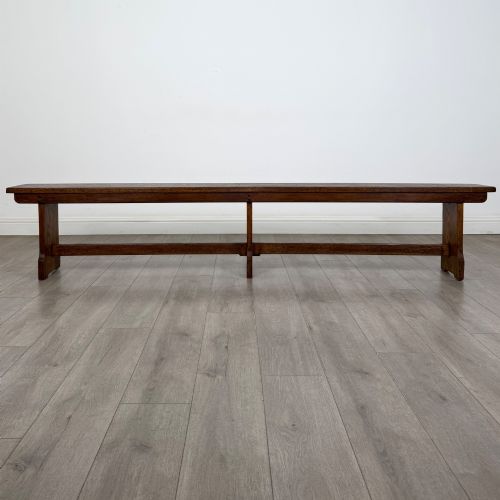
Long wooden benches are substantial seating pieces providing extended surface area, sought after for anchoring large dining spaces or hallways with historic character.
Long Wooden Benches
Long wooden benches serve as practical, extended seating forms historically used in halls, dining rooms, and institutional settings. When searching for long wooden benches, buyers encounter diverse regional styles spanning country workshops and formal parlours.
The selections on this page predominantly feature pieces from the nineteenth century, including Victorian examples alongside earlier Georgian and Regency forms. Common variations include oak hall seats, rustic pine dining benches, and pairs designed for country houses.
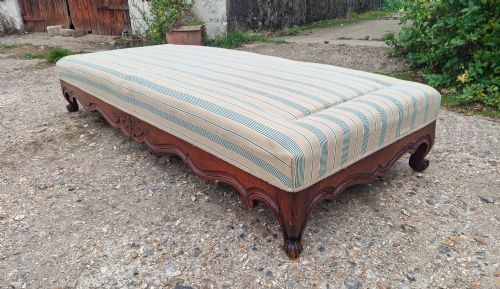
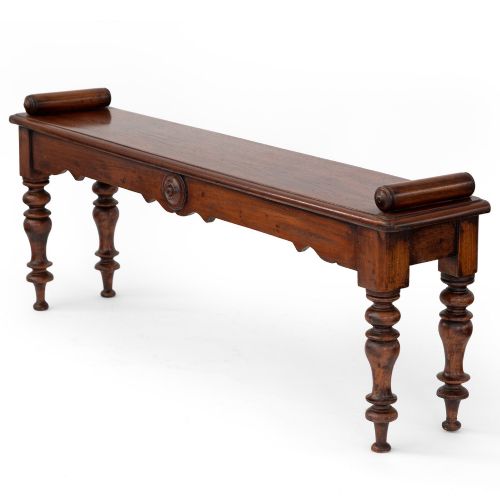
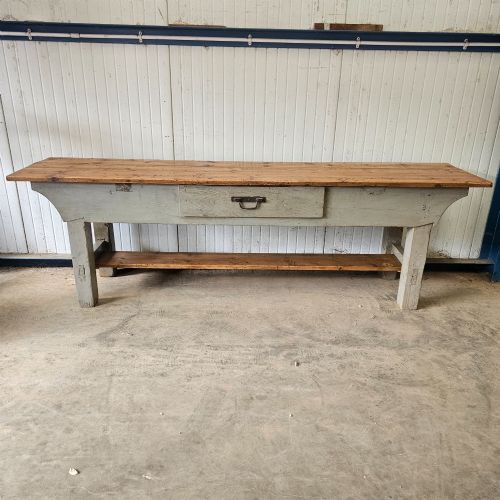
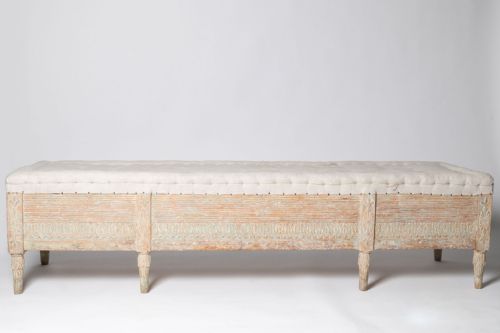
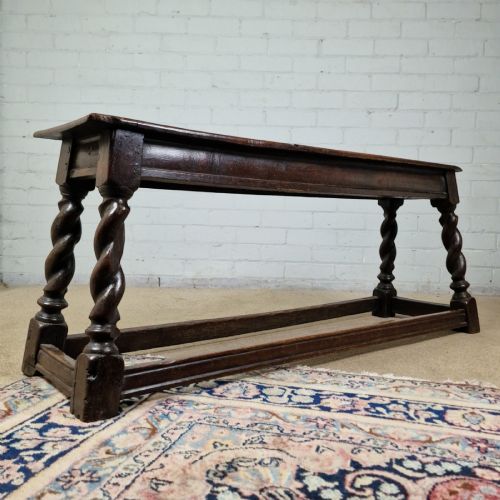
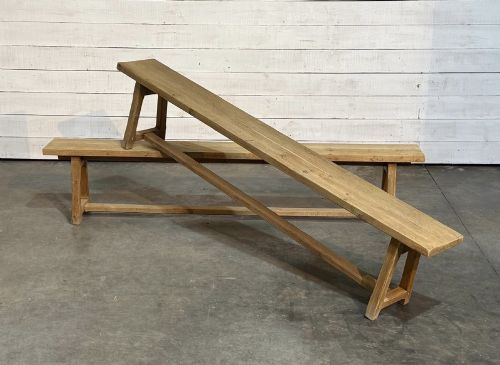
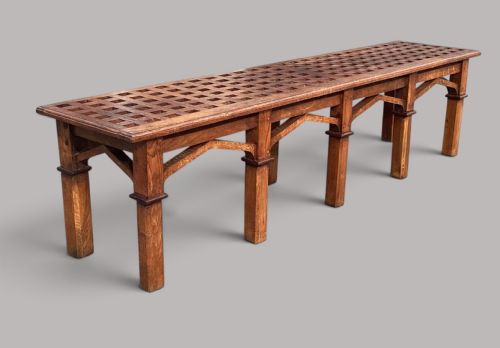
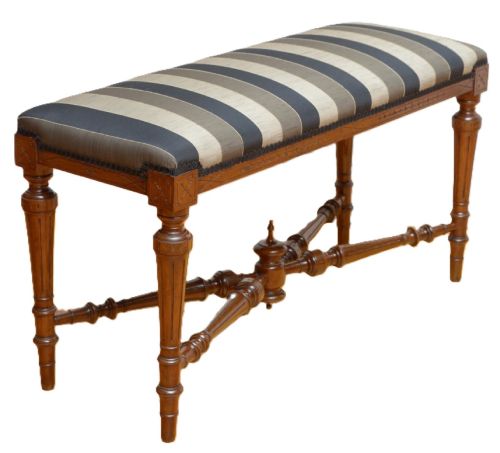
Formations range from simple plank constructions to carved Gothic Revival window seats and upholstered walnut waiting room benches. Many items reflect specific domestic uses, functioning as boot stores, tavern seating, or narrow pig benches adapted for modern interiors.
How they were made
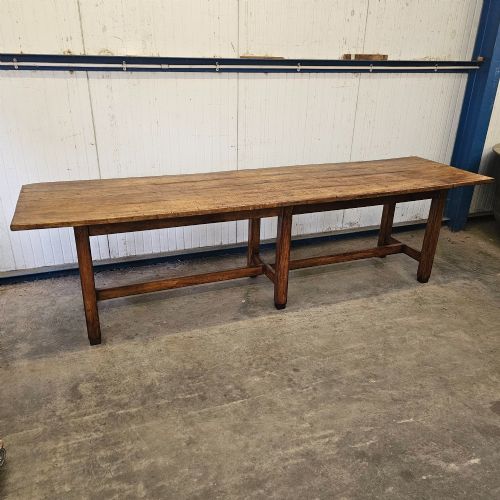
These items rely principally on solid timber construction utilising oak, pine, walnut, and cherry. Craftsmen shaped these woods using traditional hand tools, employing pegged joints, dovetails, and sturdy stretcher bases to support the considerable length of the timber seats.
Surface treatments vary from natural wax finishes that highlight the grain to painted pine surfaces and applied ebonisation. Iron and brass hardware frequently reinforce structural stress points on industrial worktables and heavy hall seating.
Long Wooden Benches Retail Price Guide 2026
Typical asking prices for long wooden benches among the pieces listed under this phrase on Sellingantiques today, from the lower quarter to the upper quarter. They describe what is for sale here now, not the wider market.
The inventory incorporates items originating from English, French, Italian, Hungarian, and Chinese workshops.
What varies in quality
Quality in these items rests upon the selection of timber and the integrity of the joinery over extended spans. Dense hardwoods like oak and walnut retain structural rigidity better than softer woods, resisting the bowing often found in prolonged seating lengths.
The refinement of the carving, the subtlety of turned legs, and the preservation of original surface patination distinguish superior workshop output from utilitarian daily furniture. Matching pairs and untruncated proportions hold greater decorative coherence.
The Long Wooden Benches Glossary
- Hall bench
- A narrow seating piece traditionally placed in entrance halls, often incorporating storage compartments, linen folds, or carved linen panels.
- Joint stool
- A sturdy wooden stool constructed with mortise and tenon joints, serving as a precursor to larger seating forms.
- Gothic Revival
- A nineteenth-century architectural and decorative style inspired by medieval design, characterised by pointed arches and tracery.
- Patination
- The surface alteration of materials over time resulting from use, ageing, and polishing, which deepens the visual character of the wood.
- Stretcher
- A horizontal timber connecting the legs of a bench or table to provide lateral structural support and rigidity.
Long Wooden Benches: Frequently Asked Questions
Where should I place a long wooden bench?
These pieces suit placement along large dining tables, in wide hallways, or beneath windows as deep seats.
Their elongated proportions help anchor expansive rooms and provide substantial communal seating without visual clutter.
How do I care for antique wooden benches?
Maintain the timber by applying appropriate wax polishes periodically and keeping pieces away from direct heat sources.
Avoid excessive moisture to protect the historic surface finishes and prevent the dry wood from splitting.
What is the difference between a hall bench and a window seat?
Hall benches generally feature taller backs and rigid wooden seats designed for entryways and public spaces.
Window seats tend to be lower, narrower, and frequently feature upholstered pads intended for prolonged comfort in domestic reception rooms.
How can I tell the period of an oak bench?
Examine the tool marks, construction methods, and timber patination to assess the manufacturing era.
Earlier pieces often display pegged joints and hand-sawn board variations, whereas later Victorian examples utilise machine-assisted cutting and distinct revival styling.