




London Silver Flatware
London silver flatware encompasses centuries of dining implements bearing the marks of the capital's assay office, prized for their historical weight and craftsmanship.
London Silver Flatware
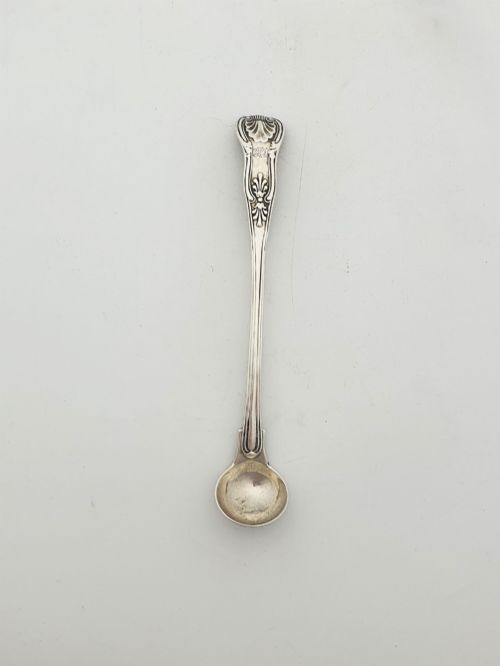
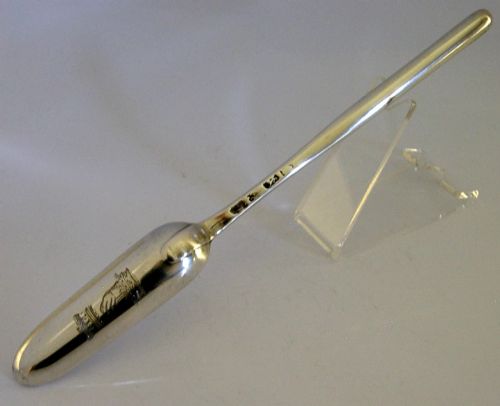
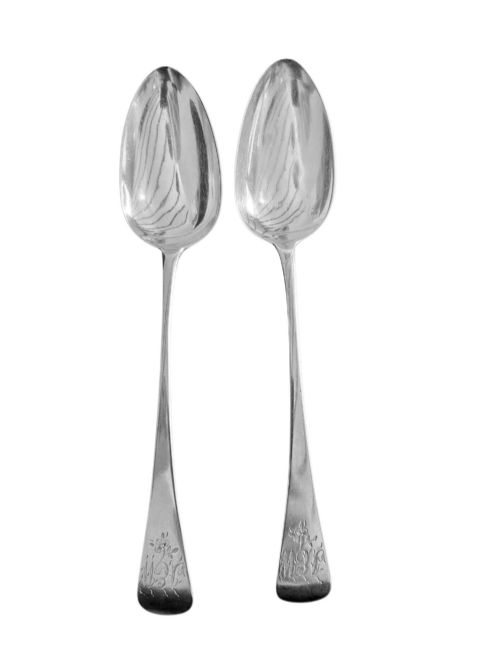
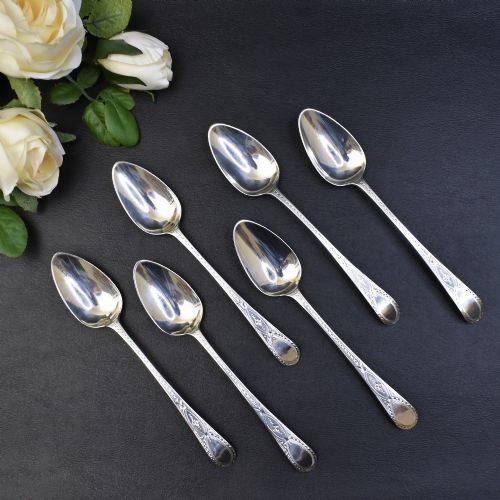
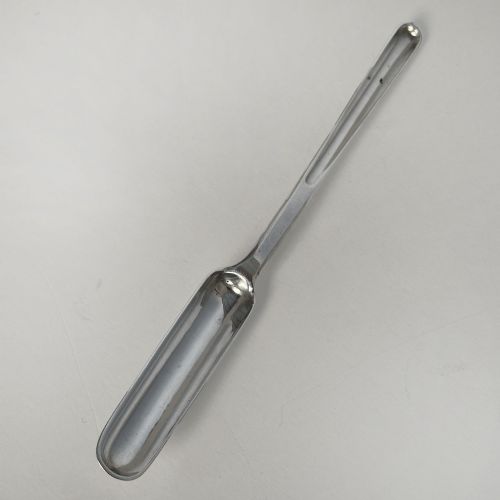
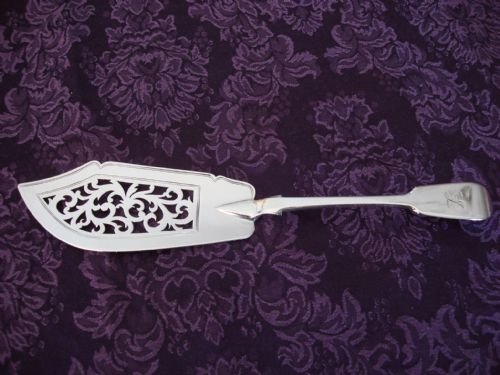
London silver flatware spans practical and serving cutlery fashioned across multiple eras, ranging from early trifid spoons to Victorian fish slices. The most common versions met on this page are Georgian serving spoons, teaspoons, and marrow scoops marked with the leopard's head and lion passant.
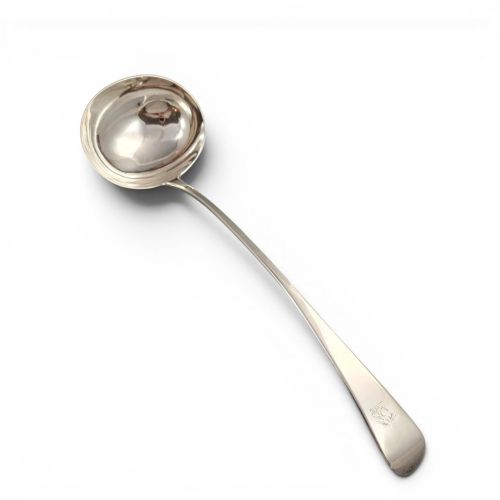
The objects take forms adapted to changing dining habits, including caddy spoons, soup ladles, and grape scissors. These items preserve the domestic customs of the sixteenth, seventeenth, eighteenth, and nineteenth centuries.
How they were made
Silversmiths shaped sterling silver and solid silver through hammering, casting, and piercing, often applying bright-cut engraving or gilding for decorative contrast. Handle designs such as the Old English and fiddle patterns emerged alongside specialised utensils incorporating cut glass elements.
Makers struck their punches directly into the metal to record standard purity alongside the city mark and date letter. This practice ensures accurate identification of the workshop origin.
London Silver Flatware Retail Price Guide 2026
Typical asking prices for london silver flatware among the pieces listed under this phrase on Sellingantiques today, from the lower quarter to the upper quarter. They describe what is for sale here now, not the wider market.
Marrow scoops double rather nicely as miniature garden trowels if one loses all sense of historical propriety.
What varies in quality
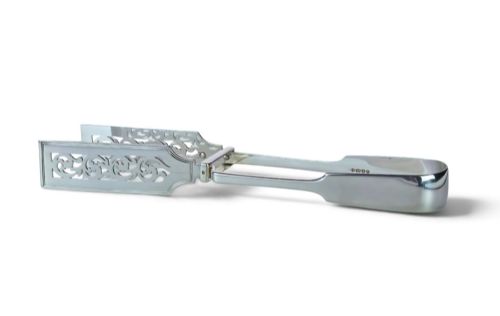
The distinction between standard output and finer work rests upon the crispness of the hallmark stamps and the retention of original bowl thickness against historical wear. Engraved crests and delicate piercing, such as that seen on fish slices, demonstrate the specialised skill of the craftsman.
Proportions remain balanced in superior examples, where maker marks associated with prominent silversmiths reflect greater care in execution and finishing.
John Lambe·Jonathan Hayne·Charles Reily and George Storer·Wilkes Booth·Thomas Issoa·Stephen Coleman·John Fox·Lawrence Coles·Daniel Cary·John King·Thomas Johnson·Henry Holland·Jabez Daniell·George Wintle·George Adams·Charles Boyton
The London Silver Flatware Glossary
- Trifid spoon
- An early form of dining spoon featuring a cleft terminal and a flat stem. This style dates primarily to the seventeenth century.
- Marrow scoop
- A narrow double-ended utensil designed for extracting bone marrow. Examples frequently date from the Georgian period.
- Assay office
- The official body responsible for testing the purity of precious metals and stamping them with hallmark punches. London utilised the leopard head symbol.
- Silver gilt
- Sterling silver that has been coated with a thin layer of gold. This technique enhances decorative condiment and serving pieces.
- Caddy spoon
- A short spoon utilised for measuring loose tea leaves from a caddy. These pieces often feature decorative bowls.
London Silver Flatware: Frequently Asked Questions
How do I date london silver flatware?
Dating relies upon the sequential date letters stamped into the metal alongside the city mark and maker's initials. Each assay year corresponds to a specific letter punch.
Matching these cycles against historical records reveals the exact year the piece passed through the London office.
What is a marrow scoop used for?
A marrow scoop served dining tables during the seventeenth and eighteenth centuries to extract bone marrow from joints of meat. The double-ended design provided both a narrow and a wider channel for the task.
Servants or diners utilised these implements before the widespread adoption of modern cutlery sets.
Are these items suitable for daily dining?
Many collectors utilise antique spoons and forks for special occasions, appreciating the tactile weight and historical connection of older silver. Proper hand washing prevents damage to delicate engravings and thin bowls.
Regular use maintains a bright patina across sterling silver surfaces without harming the structure.
Why do some pieces feature gilding?
Silver gilt was applied to items intended for acidic foods or condiments, such as mustard spoons and salt shovels, to prevent corrosion of the underlying metal. The gold layer offered chemical resistance.
This finish also added visual richness to ceremonial and high-status dining implements.