




Log Plant Pot
A log plant pot brings rustic texture indoors, offering a durable vessel for greenery cast in metal and wood.
Log Plant Pot
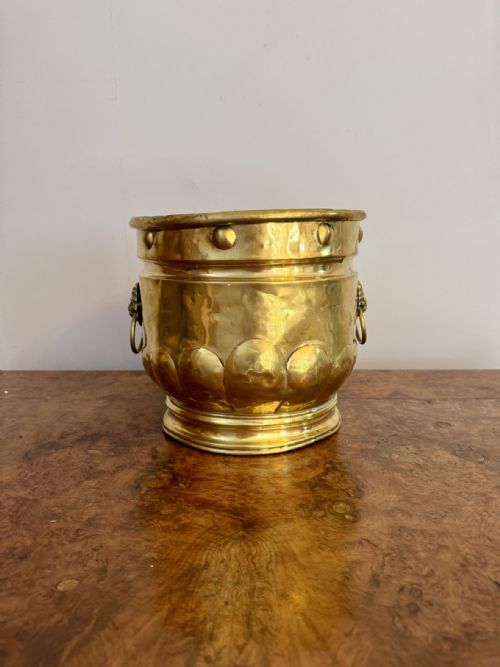
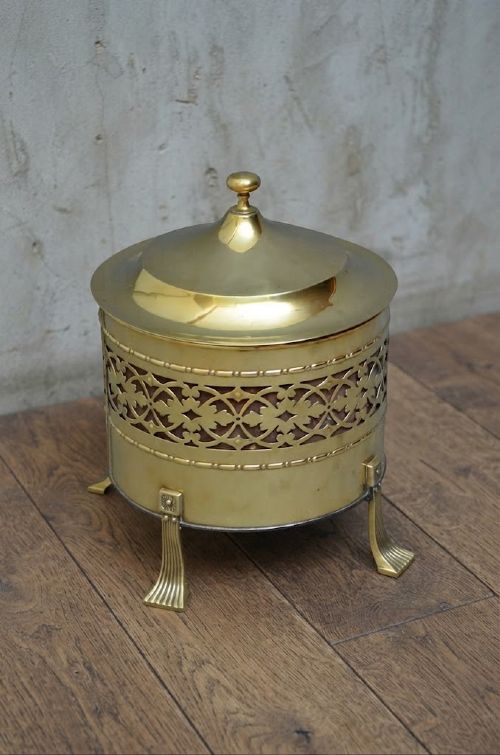
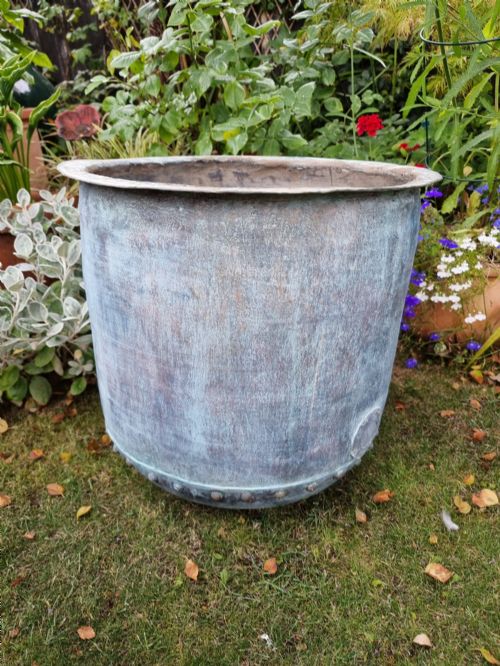
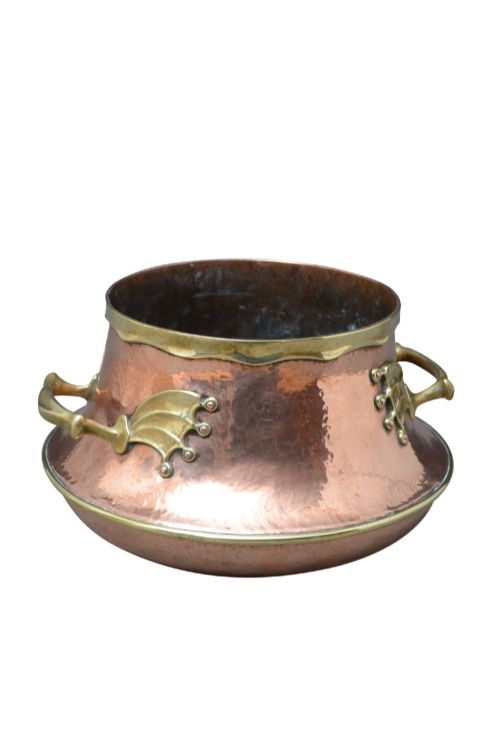
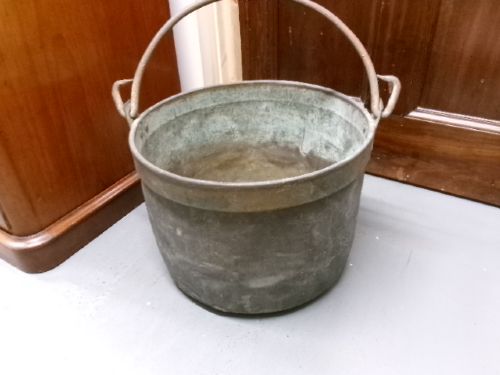
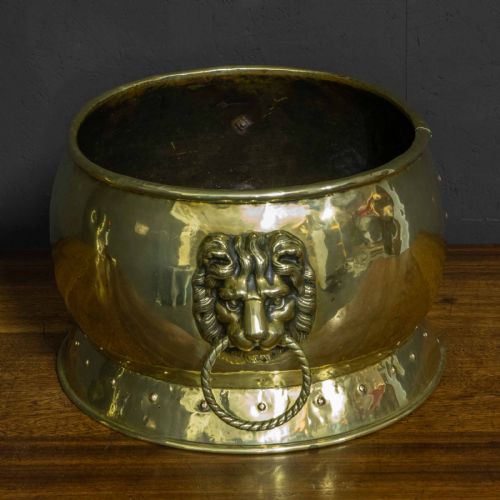
The objects appearing here take the shape of brass coal buckets, copper cauldrons, jardinières, and mahogany buckets. Many examples incorporate swing handles, fretwork designs, or Dutch revival detailing alongside naturalistic pottery forms.
Buyers meet vessels styled in French Country, Arts and Crafts, and Victorian Naturalism aesthetics. These items function primarily as planters or indoor display pots, utilising robust metals and timber frames.
Materials and Construction
Makers utilised heavy brass and warm copper as primary metals for these vessels, often employing hammering techniques to shape the body. Iron and mahogany also appear, with timber buckets bound securely by brass bands.
Pottery and terracotta form the basis of naturalistic planters, capturing organic textures through moulded earthenware. Metal vessels frequently integrate swing handles and decorative fretwork cut directly into the sheet brass or copper.
Log Plant Pot Retail Price Guide 2026
Typical asking prices for log plant pot among the pieces listed under this phrase on Sellingantiques today, from the lower quarter to the upper quarter. They describe what is for sale here now, not the wider market.
Materials utilised across these botanical vessels include brass, copper, iron, mahogany, earthenware, and terracotta.
Assessing Quality
Quality rests upon the weight of the metal and the crispness of any hammered or fretwork decoration. Substantial brass and thick copper display a durability that lighter sheet metal lacks.
The integrity of the construction distinguishes standard domestic items from superior vessels, particularly in the tightness of timber cooperage on mahogany buckets or the clean articulation of naturalistic pottery detailing.
The Log Plant Pot Glossary
- Jardiniere
- An ornamental pot or stand for plants. This term often describes larger metal or pottery vessels designed to hold potted indoor greenery.
- Fretwork
- Ornamental design perforated or cut with a scroll saw. This technique appears on metal buckets and planters to create light patterns.
- Naturalism
- A style that depicts objects in a realistic and lifelike manner. In these listings, pottery planters adopt the literal appearance of natural wood logs.
- Cooperage
- The craft of making wooden staved vessels, such as buckets. Mahogany planters utilise these techniques to achieve an elliptical shape bound in brass.
Log Plant Pot: Frequently Asked Questions
What is a log plant pot used for?
These vessels serve primarily as indoor planters or decorative jardinières for housing potted houseplants and floral displays. Historically, some metal forms doubled as coal buckets or hearth accessories before finding new life in horticulture.
Today, they provide a contrasting metallic or timber texture against green foliage inside domestic spaces.
How do I date a brass planter?
Dating relies upon observing the manufacturing methods, such as hand-hammering marks versus machine stamping, alongside stylistic clues from periods like the Victorian and Edwardian eras. Fretwork patterns and specific handle attachments often correspond to late nineteenth or early twentieth-century workshops.
Examining the underlying material construction helps narrow down whether a piece originates from the mid-nineteenth century or later.
Are these pots waterproof?
Many metal vessels and mahogany buckets were lined originally or constructed to hold damp environments, though older joints may require a modern plastic liner inside. Copper and brass naturally resist moisture, but timber staves can swell if exposed to standing water over long periods.
Inserting a contemporary pot liner protects the antique interior while allowing safe watering of the plant.
What metals are most common?
Brass and copper dominate the metal selections, often appearing independently or combined within a single vessel. Iron and brass banding also support mahogany wooden buckets.
These materials reflect the prevalent metalworking techniques of the Victorian and Edwardian periods.