




Lion Door Stop
These lion door stop examples range from robust cast iron to brass, holding open heavy doors with period weight.
Lion Door Stop
A lion door stop serves to hold heavy interior doors open using substantial metal weight and sculptural presence. These pieces emerge chiefly from nineteenth century production, spanning Victorian and Georgian periods.
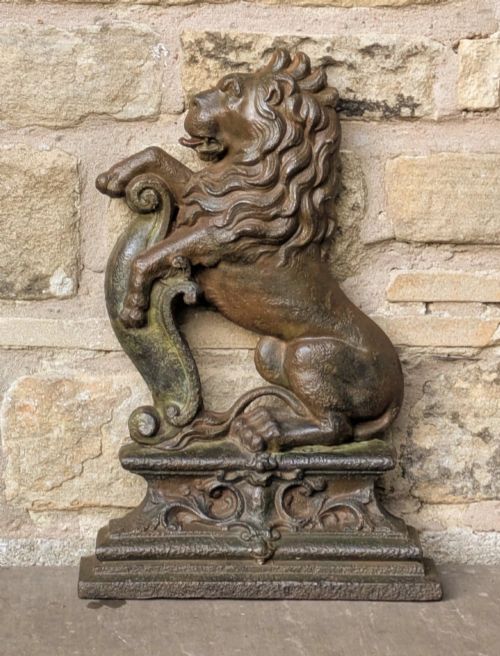
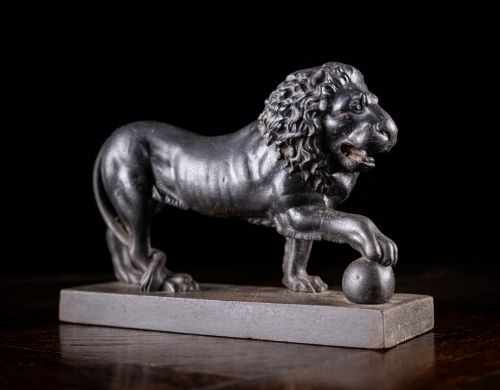
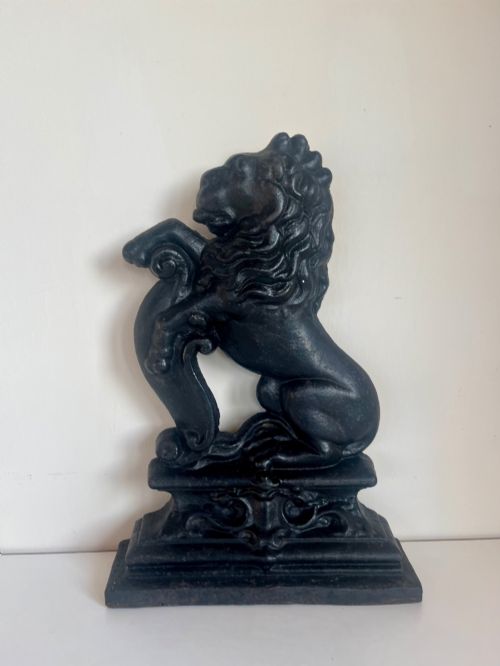
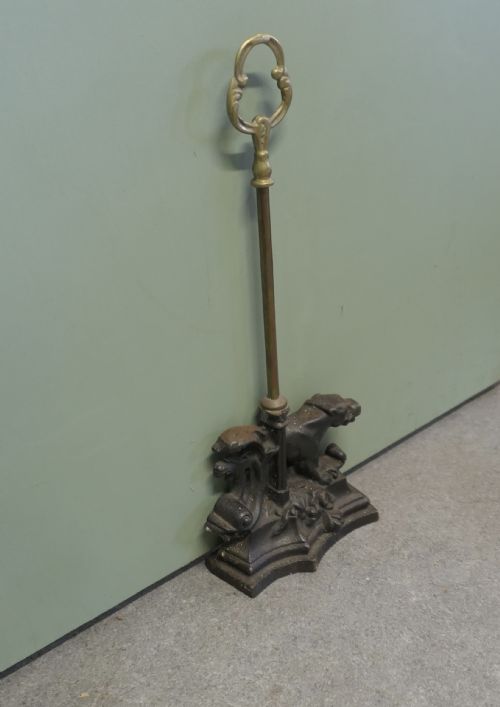
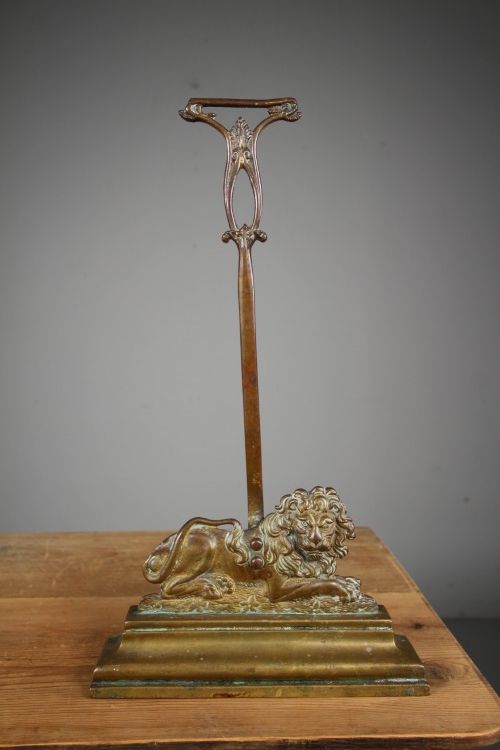
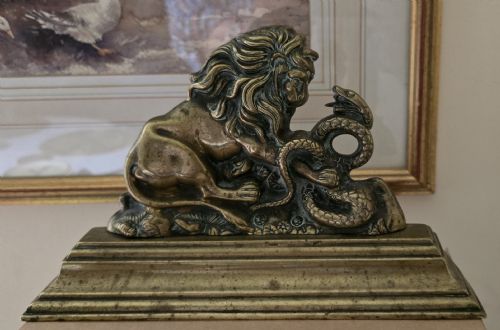
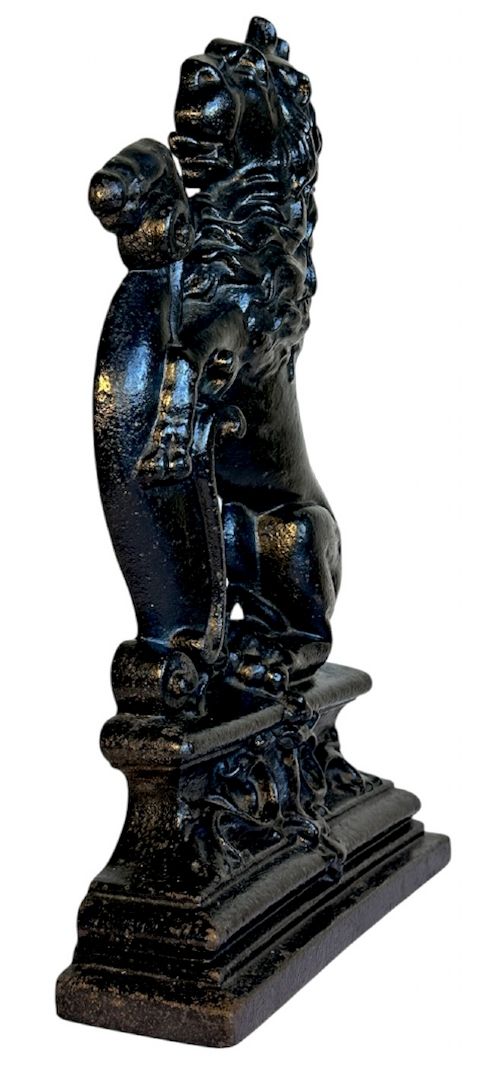
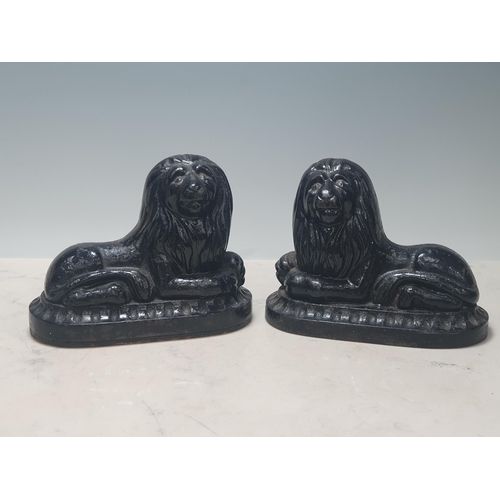
The buyer meets versions cast in iron, brass, and bronze, often taking the form of a rampant lion or a recumbent beast. Some examples incorporate a serpent alongside the lion, whilst others double as boot scrapers or door porters.
English origin dominates the current selection, reflecting domestic domestic utility during the mid nineteenth century. These objects function simultaneously as practical hardware and decorative sculptures.
How they were made
Foundries utilised cast iron, brass, and bronze to produce these weighty figures, pouring molten metal into sand moulds. The resulting castings required hand finishing to sharpen details such as manes and claws.
Surface treatment varied according to metal and period, with some pieces receiving black paint over cast iron. Brass and bronze examples relied on polished metal surfaces or natural patination to achieve their final appearance.
Lion Door Stop Retail Price Guide 2026
Typical asking prices for lion door stop among the pieces listed under this phrase on Sellingantiques today, from the lower quarter to the upper quarter. They describe what is for sale here now, not the wider market.
Some nineteenth century lions guard doors alongside coiled serpents, offering a fierce mythological greeting to every visitor.
What varies in quality
Material choice also dictates quality, as heavy cast brass and bronze pieces offer greater substance than lighter iron variants. Original surface treatments, such as early black paint or authentic patination, elevate the standing of a piece.
The Lion Door Stop Glossary
- Door porter
- A heavy portable weight designed to hold a door open, often featuring a handle at the top. These objects serve the same function as a standard door stop.
- Rampant
- A heraldic posture where an animal stands on its hind legs with forepaws raised. This pose appears frequently on nineteenth century cast iron examples.
- Recumbent
- Representing a creature lying down or resting. Recumbent lion pairs often appear in mid nineteenth century production.
- Boot scraper
- A metal device fixed near an entrance for removing mud from footwear. Some heavy iron examples combine this utility with sculptural lion forms.
Lion Door Stop: Frequently Asked Questions
What is a door porter?
A door porter is a heavy metal weight fitted with an integrated handle at the top for easy movement. These objects hold large interior doors open against drafts.
They function identically to door stops but typically possess a taller, more upright profile.
How do I date a cast iron lion?
Dating relies on stylistic clues, surface patination, and manufacturing techniques visible on the metal. Nineteenth century pieces often show rougher sand casting marks on the underside.
Victorian and Georgian examples display specific modelling characteristics associated with period foundries.
Were these painted originally?
Many cast iron examples received a protective coat of black paint to prevent rust and enhance appearance. Over decades, this paint develops wear that helps confirm age.
Brass and bronze versions were generally left unpainted to showcase the polished metal.
Where were they placed?
These heavy figures sat on the floor directly in the path of interior doors to prevent them from slamming shut. Their substantial weight kept them stationary without requiring floor fixings.
Households used them in hallways and principal reception rooms where doors remained open.