





Linen Textile Wall Art
Linen textile wall art brings historic needlework samplers and framed embroidered panels into modern interiors.
Linen Textile Wall Art
When you search for linen textile wall art, you encounter historic needlework samplers and framed embroidered panels. These pieces span the eighteenth and nineteenth centuries, including Georgian, Victorian, and Regency examples.
The selection ranges from British alphabet samplers worked by young girls to Greek Island embroideries from Skyros and Epirus. You also find mounted tapestry border fragments and map samplers.
Most items arrive already framed or mounted, making them ready to hang directly on a wall. They preserve domestic needlecraft history across diverse regional traditions.
Materials and construction methods
The foundation material is linen, serving as the ground fabric for needlework, alphabet rows, and pictorial scenes. Artisans worked upon this linen using silk thread, wool, and silk floss.
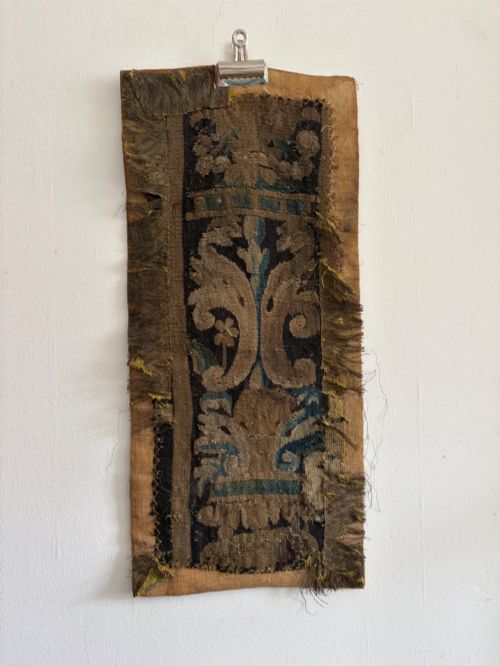
Many items incorporate mounted fragments, such as seventeenth and eighteenth-century verdure tapestry borders attached to linen backings. Others utilise specialised regional embroidery techniques seen in Greek folk art and French lace.
Linen Textile Wall Art Retail Price Guide 2026
Typical asking prices for linen textile wall art among the pieces listed under this phrase on Sellingantiques today, from the lower quarter to the upper quarter. They describe what is for sale here now, not the wider market.
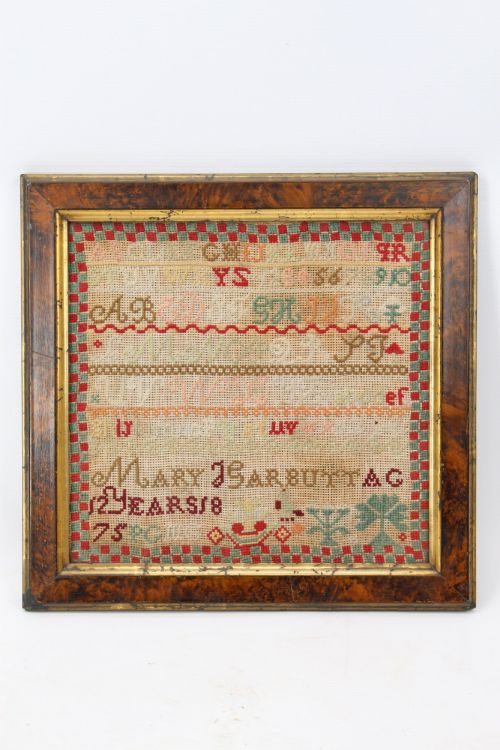
Several samplers record the exact age of the maker, such as Mary J Garbutt who was twelve years old in 1875.
Factors determining quality
Quality rests upon the execution of the needlework, the complexity of the design, and the survival of the original materials. Pieces featuring detailed alphabets, maps, or figurative scenes demonstrate higher technical accomplishment.
Condition and legibility separate standard schoolgirl samplers from exceptional works. The stability of the linen ground and the retention of vibrant silk or wool thread hues dictate overall desirability.
The Linen Textile Wall Art Glossary
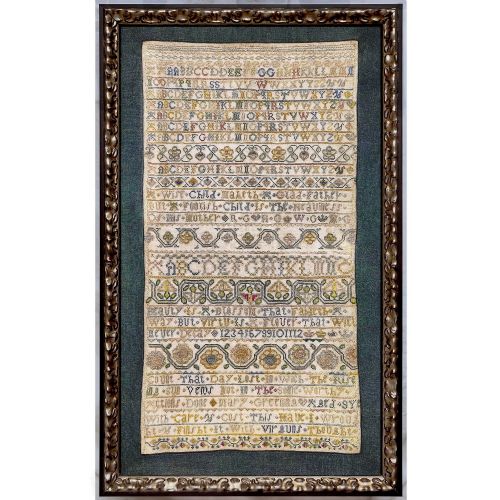
- Band sampler
- A long, narrow piece of linen displaying various embroidery stitches arranged in horizontal bands. These served as reference portfolios for needlewomen in the seventeenth and eighteenth centuries.
- Alphabet sampler
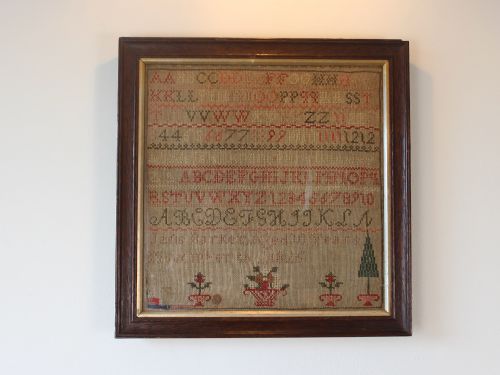
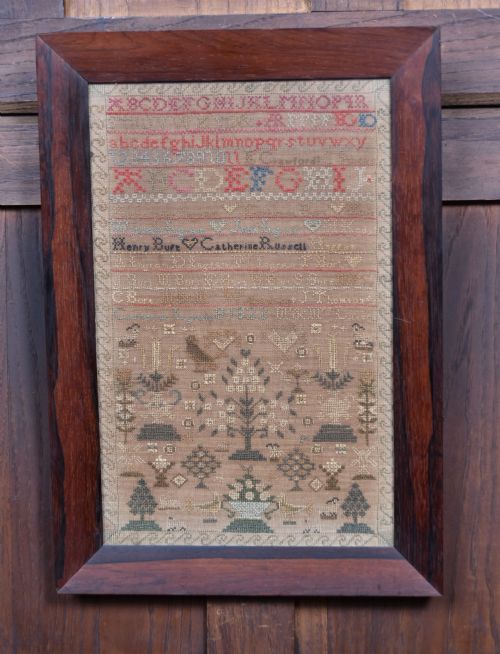
- A textile piece featuring rows of letters and numbers, often accompanied by the maker's name, age, and date. They demonstrated a young girl's literacy and needlework proficiency during the Georgian and Victorian eras.
- Map sampler
- An educational embroidery depicting geographical boundaries, counties, or countries, such as England and Wales. They combined geography lessons with advanced needlecraft skills.
- Verdure tapestry
- A woven wall hanging or fragment depicting lush foliage, trees, and landscapes. Surviving portions are frequently mounted onto linen for display as wall art.
- Folk art
- Traditional decorative items created within specific regional communities, such as Greek Island embroideries from Skyros. These pieces rely on local motifs and traditional domestic techniques rather than formal academic training.
Linen Textile Wall Art: Frequently Asked Questions
How old are these textile pieces?
The pieces span the late seventeenth century through the nineteenth century, encompassing Georgian and Victorian periods.
Dates are often stitched directly into the samplers by the original makers alongside their names and ages.
Are the samplers ready to hang?
Most items come mounted to linen or framed behind glass, making them suitable for immediate hanging on a wall.
Buyers should check individual listings to confirm whether a piece includes a frame or requires custom mounting.
What is a band sampler?
A band sampler is an early form of needlework where various embroidery stitches are arranged in horizontal rows across a linen ground.
These served as pattern libraries for embroiderers before pictorial samplers became popular in later centuries.
How do I care for antique textiles?
Antique linen and silk embroidery requires protection from direct sunlight to prevent thread fading and fabric degradation.
Keeping pieces behind UV-filtering glass and away from damp environments ensures their long-term preservation.