



Lignum Vitae Wood
These heavy lignum vitae wood pieces offer remarkable density and deep patination, drawing collectors who value utilitarian strength turned into domestic art.
Lignum Vitae Wood
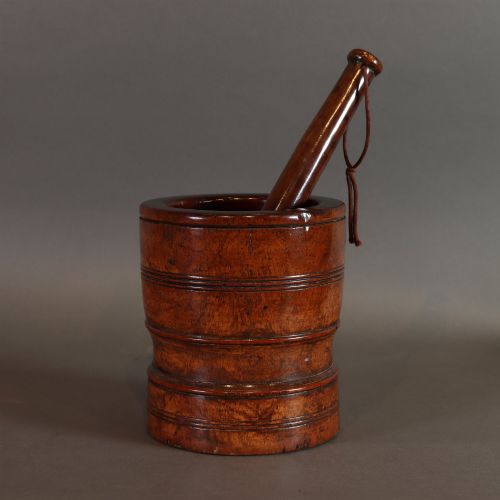
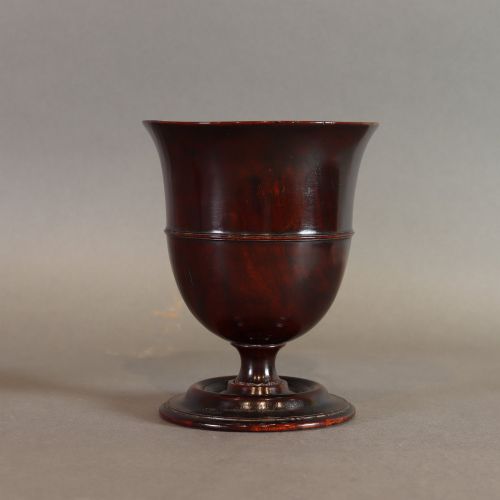
When you examine lignum vitae wood pieces on this page, you encounter dense turned treen originating from the seventeenth century through to the nineteenth century. These items span utilitarian domestic and apothecary implements including mortars and pestles, coffee grinders, string barrels, spill vases, candlesticks, paperweights, and carpentry mallets.
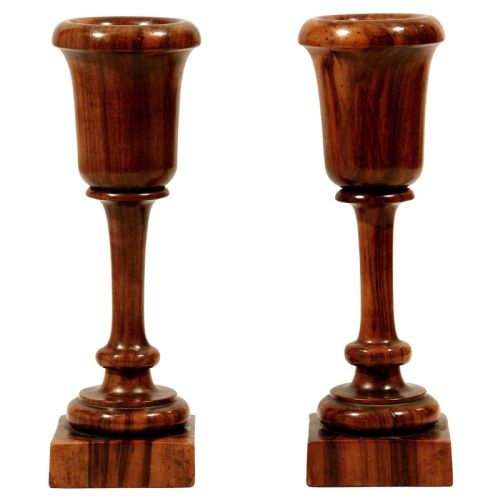
The most common forms you will meet here are seventeenth-century and nineteenth-century mortars, alongside nineteenth-century treen candlesticks and turned spill stems. British workshops shaped these objects from exceptionally heavy hardwood, often incorporating secondary materials like boxwood and iron.
Geographic origins centre on British pieces from Georgian and Victorian eras, demonstrating how functional workshop tools transformed into decorative household objects. Each item displays the characteristic dark tone and oily grain inherent to the material.
How they were made
Craftsmen shaped these objects on a lathe using lignum vitae, a notably dense hardwood prized for its natural oils and weight. Artisans turned blocks of this dense timber to produce symmetrical vessels, stems, and handles without relying on complex joinery.
Makers occasionally combined contrasting materials, inlaying lighter boxwood or integrating iron components into pieces such as paperweights and coffee mills. Surface finishes developed through repeated handling and polishing, highlighting the tight grain of the wood rather than applied varnishes.
Lignum Vitae Wood Retail Price Guide 2026
Typical asking prices for lignum vitae wood among the pieces listed under this phrase on Sellingantiques today, from the lower quarter to the upper quarter. They describe what is for sale here now, not the wider market.
Lignum vitae is so dense that it famously sinks straight to the bottom of the water like a stone.
What varies in quality
Quality rests in the precision of the turning and the crispness of the moulded profiles, separating utilitarian items from finer decorative pieces. The depth of the natural patination and the preservation of the original surface texture also distinguish superior examples.
Proportion and balance dictate the appeal of treen objects, particularly in matched pairs of candlesticks or urn-form spill vases where symmetry matters. The absence of heavy structural alterations or timber shrinkage splits maintains the integrity of the piece.
The Lignum Vitae Wood Glossary
- Treen
- Small wooden domestic objects made by turning, carving, or joining. This broad category includes items like candlesticks, mortars, and string barrels shaped for everyday household use.
- Mortar and pestle
- A bowl and heavy club used for crushing and grinding substances. Wooden examples made from dense timber served in kitchens and apothecary shops.
- String barrel
- A turned wooden container designed to dispense twine through a small aperture in the lid. These domestic treen objects often feature threaded screw lids.
- Spill vase
- A small container used to hold wooden spills for lighting fires and candles. Turned wooden pairs frequently decorated Victorian mantelpieces.
Lignum Vitae Wood: Frequently Asked Questions
What is lignum vitae wood?
Lignum vitae is an exceptionally dense and heavy hardwood known for its oily resin and dark colour. It was traditionally used for items requiring immense durability, such as pulleys, mallets, and turned treen.
Because the timber sinks in water and resists splitting, it allowed turners to create thin, precise walls on mortars and goblets that withstood heavy daily use.
How old are these wooden pieces?
The items listed here range from the seventeenth century through the Georgian and Victorian eras up to the late nineteenth century. Earlier pieces often display simpler, heavier turnings associated with utilitarian apothecary and kitchen use.
Later Victorian examples tend towards decorative domestic accessories like inlaid paperweights and string barrels, reflecting changes in manufacturing and household habits.
How were mortars and pestles used?
Mortars and pestles served as essential kitchen and apothecary tools for grinding herbs, spices, and medical ingredients. The sheer weight of the lignum vitae wood provided a stable base that prevented the bowl from moving during vigorous pounding.
The natural density of the timber ensured that the wood did not absorb oils or flavours from the substances being crushed.
How do you care for treen?
Treen requires stable environmental conditions away from direct heat sources and dramatic humidity fluctuations to prevent timber cracking. Maintaining a consistent indoor climate preserves the natural oils and dark patination of the wood.
Gentle dusting with a dry cloth is sufficient for cleaning, avoiding harsh chemical polishes that can damage historic surfaces.