





Light Blue Gemstone
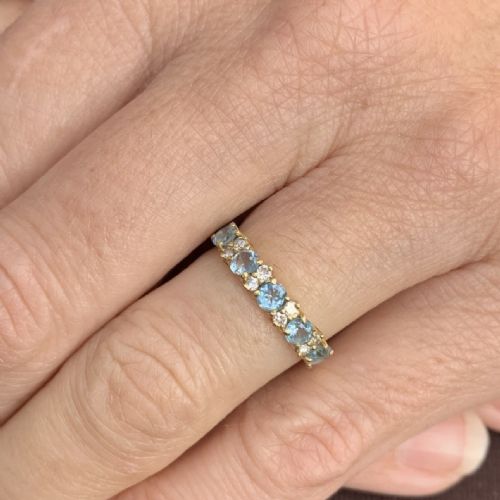
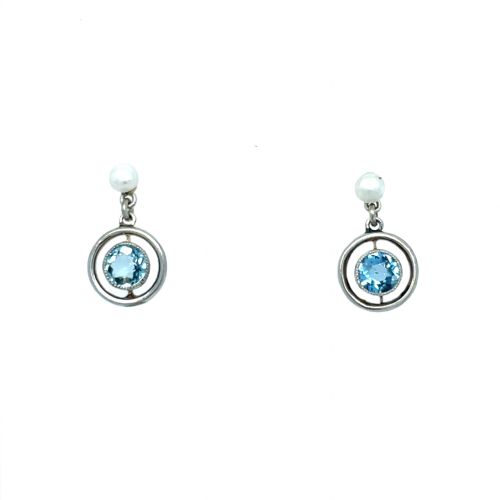
A light blue gemstone pendant, ring, or pair of earrings brings a cool clarity to antique and vintage jewellery.
Light Blue Gemstone
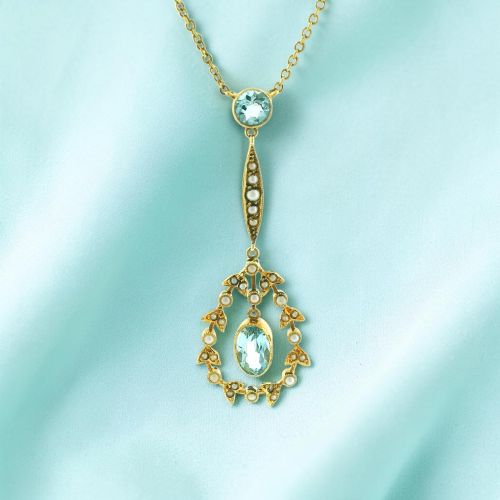
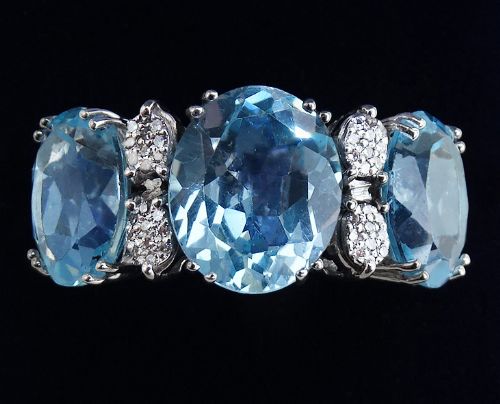
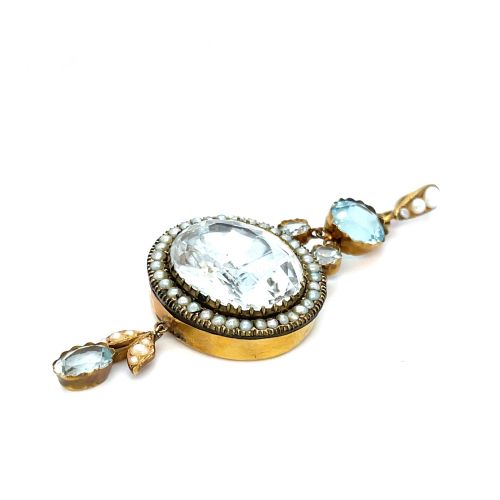
A light blue gemstone search reveals rings, pendants, earrings, and necklaces originating from periods spanning the Victorian era through the mid-twentieth century. These pieces predominantly feature aquamarine, blue topaz, and sapphire mounted in gold or platinum settings.
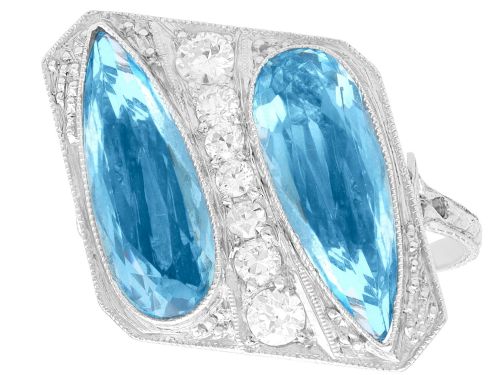
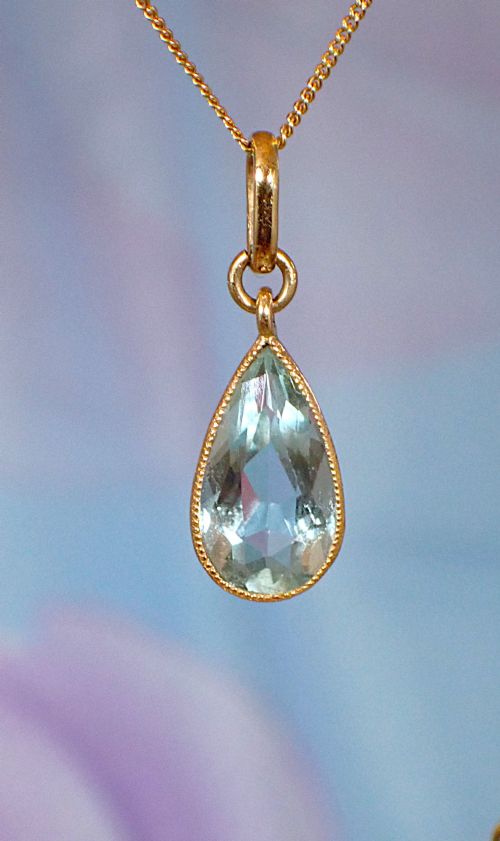
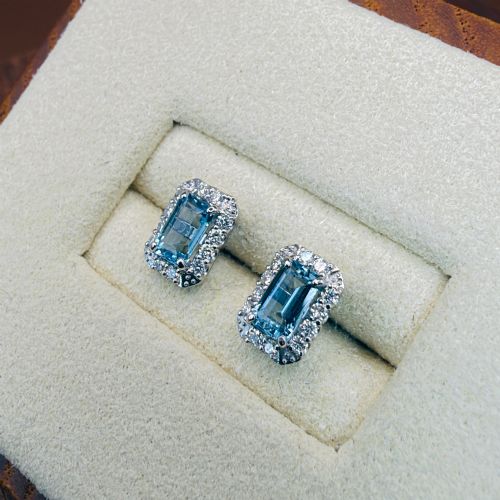
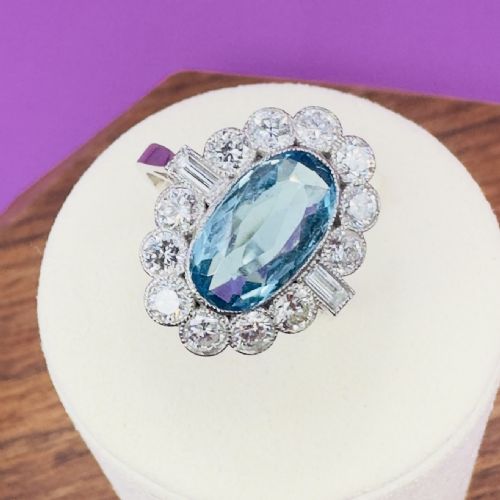
The most common items met on this page are aquamarine rings and diamond cluster pendants reflecting Edwardian, Art Deco, and mid-century modern design styles. Stones range from delicate pale drops to substantial emerald-cut solitaires.
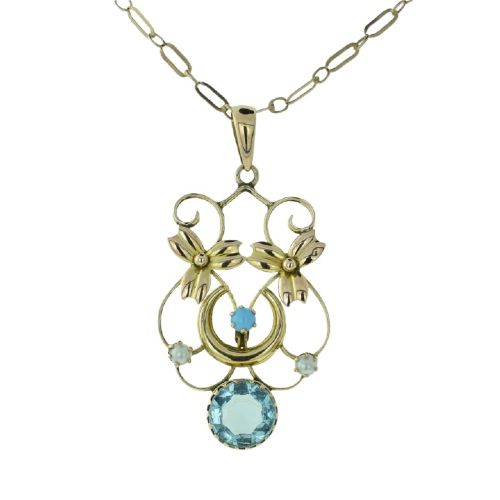
Makers and designers utilised varied gold purities alongside platinum to frame these pale blue stones in geometric clusters, delicate filigree, or simple bezels.
How they were made
Goldsmiths and platinum-smiths set aquamarines, sapphires, and blue topaz alongside diamonds using claw settings, bezels, and delicate milgrain edging. Metals include yellow gold, rose gold, white gold in various purities, and platinum.
Stones are shaped into emerald cuts, pear cuts, oval cuts, and round cuts to maximise light reflection within cluster rings and drop earrings.
Light Blue Gemstone Retail Price Guide 2026
Typical asking prices for light blue gemstone among the pieces listed under this phrase on Sellingantiques today, from the lower quarter to the upper quarter. They describe what is for sale here now, not the wider market.
The listings show items spanning the Victorian era through the mid-twentieth century, featuring aquamarine, sapphire, and blue topaz set in platinum and gold.
What varies in quality
Quality rests in the depth of colour, stone transparency, and the precision of the metalwork surrounding the light blue gemstone. Substantial carat weight combined with fine diamond accents distinguishes the finest dress rings and pendants from simpler daily wear.
The integration of supportive materials such as platinum with high-carat gold elevates the structural refinement of Art Deco and Edwardian pieces.
C'est Laudier
The Light Blue Gemstone Glossary
- Aquamarine
- A pale blue to light greenish-blue variety of beryl that forms the primary gemstone across many Edwardian and mid-century pieces here.
- Cluster ring
- A ring design featuring a central gemstone surrounded by a border of smaller stones, typically diamonds.
- Milgrain
- A decorative beaded or embossed border along the edge of metal settings, common in Edwardian and Art Deco jewellery.
- Foil back
- A historical technique where a thin sheet of reflective metal is placed behind a gemstone to enhance its brilliance and colour.
Light Blue Gemstone: Frequently Asked Questions
What is a light blue gemstone?
A light blue gemstone typically refers to aquamarine, blue topaz, or pale sapphire found in vintage and antique jewellery.
These transparent stones appear primarily in rings, earrings, and pendants dating from the Victorian period to the mid-twentieth century.
How do I style these pieces?
These items pair well with both contemporary outfits and period attire, lending a subtle splash of cool colour.
Wearing a cluster ring or drop pendant allows the pale blue tones of the central stone to catch the light.
Are these items durable for daily wear?
Aquamarine and sapphire possess good hardness, making them suitable for regular ring and pendant wear.
However, antique settings from the Edwardian or Victorian eras benefit from gentle treatment and occasional professional inspection.
How do I identify an Art Deco light blue gemstone?
Art Deco pieces rely on geometric symmetry, platinum settings, and baguette-cut diamonds framing the central blue stone.
Straight lines and sharp angles distinguish these mid-century designs from earlier organic Edwardian filigree.