





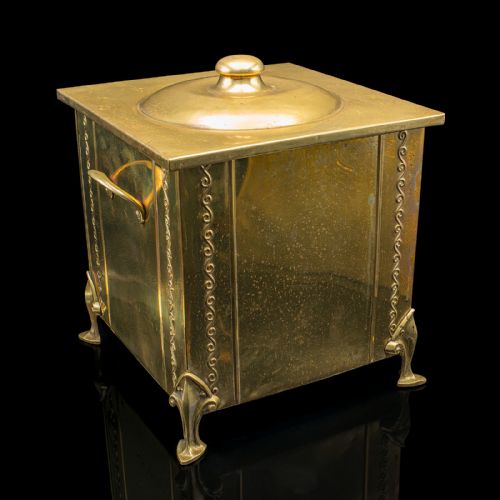


Lidded Brass Coal Bucket
A lidded brass coal bucket is a sturdy hearth container designed to store fuel neatly beside the fire.
Lidded Brass Coal Bucket
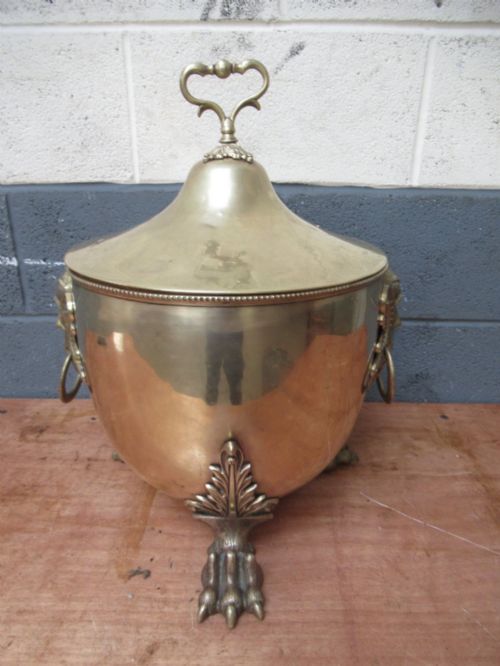
A lidded brass coal bucket is a practical hearth accessory designed to contain fuel cleanly while sitting beside a fireplace. Buyers searching this phrase encounter sturdy metal vessels originating from the Regency, Victorian, and Edwardian periods.
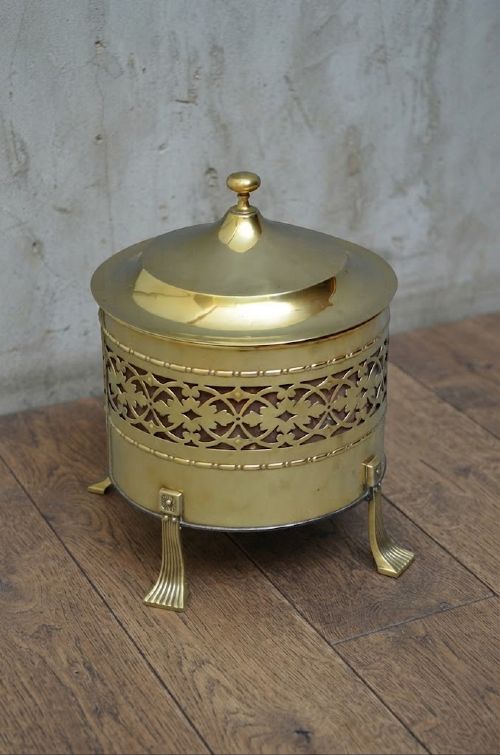
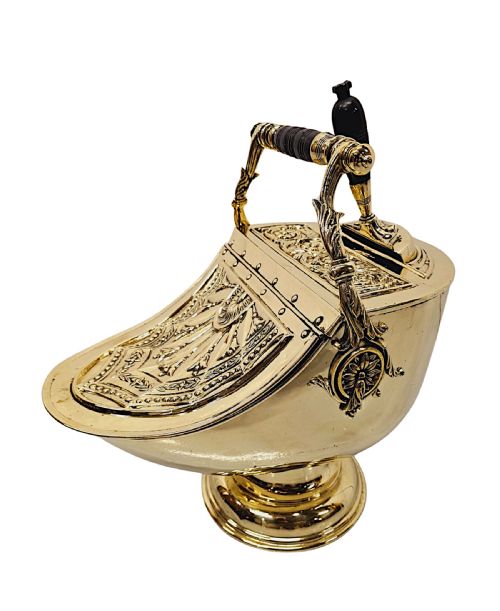
The inventory on this page ranges from simple oval log bins to ornate double lidded coal scuttles and planters with fretwork designs. Materials span solid brass, copper, painted iron, and wood combinations created for domestic heating needs.
How they were made
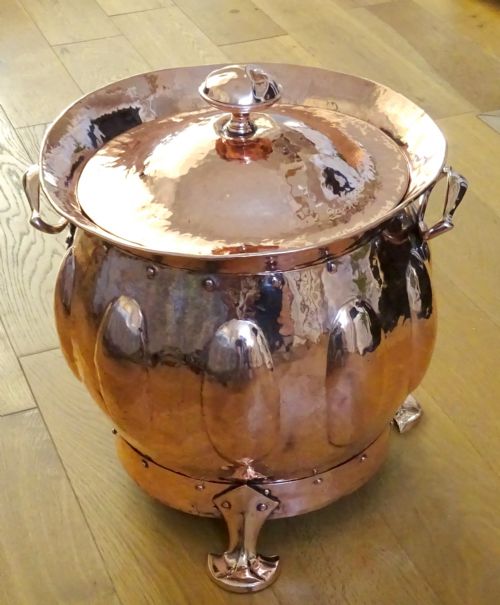
These vessels rely primarily on brass and copper sheeting, shaped by hand or machine to form deep bodies capable of holding heavy coal or logs. Artisans often incorporated iron for structural strength and fitted internal liners to protect the outer metal from damp fuel.
Decorative touches include cut-out fretwork designs and riveted seams that join the metal panels securely. Handles and lids frequently feature cast brass fittings designed for daily handling.
Lidded Brass Coal Bucket Retail Price Guide 2026
Typical asking prices for lidded brass coal bucket among the pieces listed under this phrase on Sellingantiques today, from the lower quarter to the upper quarter. They describe what is for sale here now, not the wider market.
Several pieces double as indoor plant holders, proving that Victorian coal storage makes an excellent home for ferns.
What varies in quality
Quality rests in the thickness of the metal sheet and the integrity of the construction rather than mere surface shine. Thicker brass panels and robust riveted joints distinguish durable utilitarian items from lighter decorative pieces.
Refinement of detail, such as intricate fretwork patterns and the presence of original liners or matching lids, elevates the standing of an individual piece. The integration of contrasting materials like iron and wood also indicates superior craftsmanship.
Tonks
The Lidded Brass Coal Bucket Glossary
- Coal Scuttle
- A metal bucket or box specifically shaped for carrying and storing domestic coal. These often feature angled mouths and hinged lids for easy access.
- Log Bin
- A large container used primarily for holding firewood near a hearth. They share similar construction methods with coal buckets but usually offer a wider opening.
- Fretwork
- Openwork ornamentation carved or cut through metal or wood. On these pieces, it frequently appears on the body or lid for decorative ventilation.
- Double Lidded
- A design featuring two hinged flaps meeting in the middle rather than a single full cover. This configuration allows partial access to the contents.
- Liner
- An inner vessel, often made of metal, placed inside the main bucket. It protects the outer decorative case from moisture and dirt.
Lidded Brass Coal Bucket: Frequently Asked Questions
What are lidded brass coal buckets used for?
These vessels serve as practical containers to hold coal, logs, or kindling neatly beside an open hearth. The attached lid keeps dust contained and maintains a tidy appearance in the room.
Beyond functional fuel storage, many examples double as decorative planters or general fireside accessories. Their metallic surfaces reflect firelight, adding warmth to period interiors.
How do I date a brass coal bucket?
Dating relies on observing the prevailing styles, manufacturing techniques, and materials recorded in the specific design. Pieces from the Regency era display neoclassical restraint, whereas Victorian and Edwardian examples often feature heavier ornamentation or fretwork.
Construction clues such as machine rolling versus hand riveting also help narrow down the decade of production. Comparing the object to documented pieces from periods like 1860 or 1900 provides further context.
Can I use an antique coal bucket for real logs?
Most of these metal containers are robust enough to hold firewood or coal, provided an appropriate inner liner is used to catch debris. Sturdy brass and copper construction handles the physical weight of fuel without difficulty.
However, users should check for internal wear or moisture damage before loading damp wood. Using a protective liner preserves the historic metal interior from unnecessary corrosion.
Are copper and brass buckets cleaned differently?
Both copper and brass respond well to gentle cleaning methods designed to remove accumulated dust and tarnish without stripping the historic surface. Harsh chemical abrasives should be avoided to preserve the subtle patination accumulated over decades.
Many collectors prefer leaving a natural, aged finish rather than polishing the metal to a bright shine. Regular dusting with a soft cloth is usually sufficient for day-to-day maintenance.