



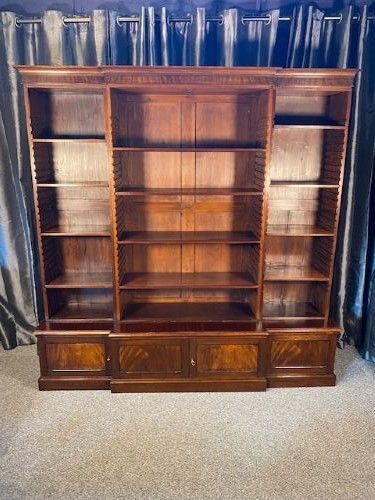
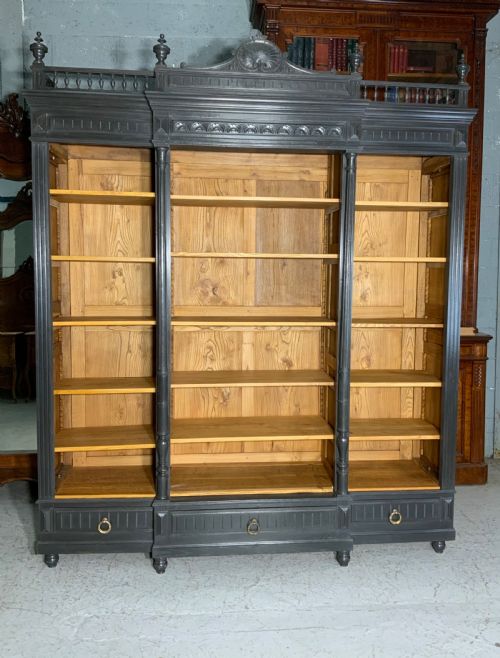
Library Display Unit
A library display unit brings architectural dignity to a room, housing volumes and ornaments behind glass or upon open shelves.
Library Display Unit
A library display unit serves primarily to organise books and decorative objects within domestic spaces. When you search for a library display unit, you encounter pieces designed for shelving and display, spanning open bookcases, glazed cabinets, and revolving forms.
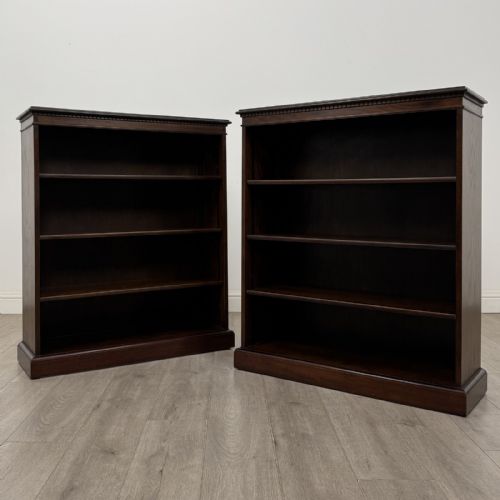
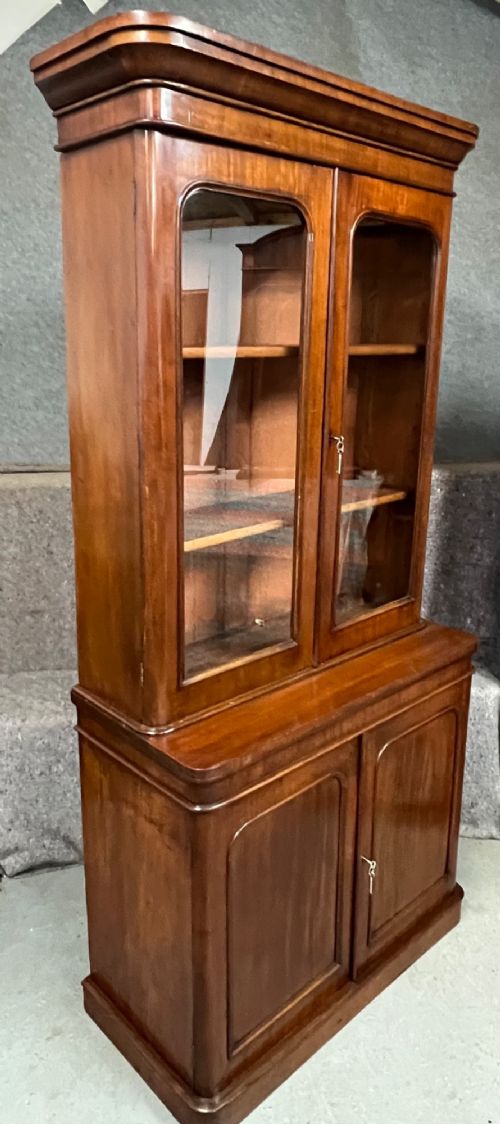
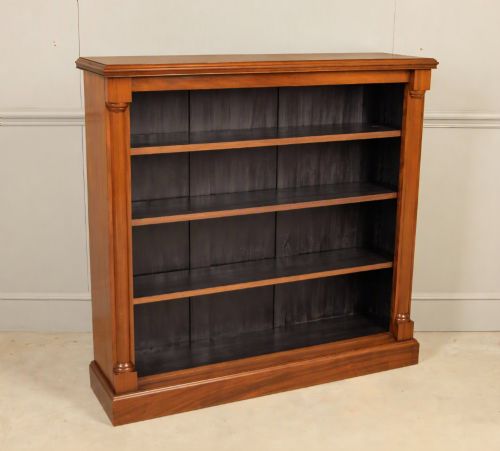
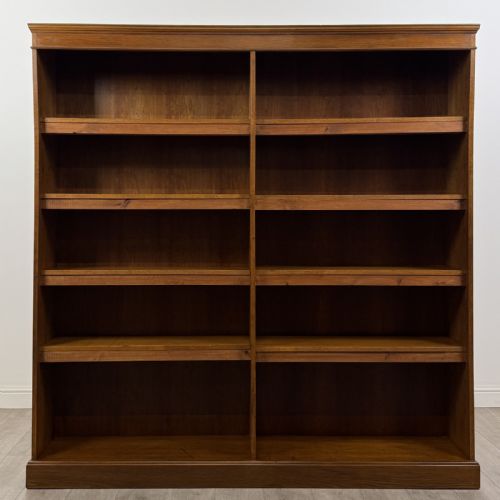
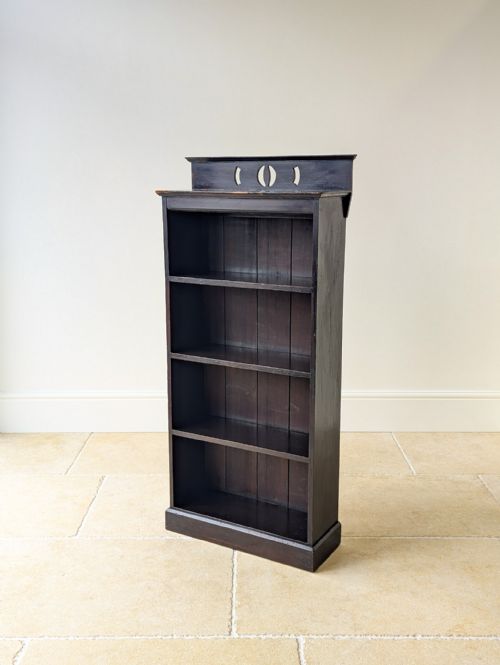
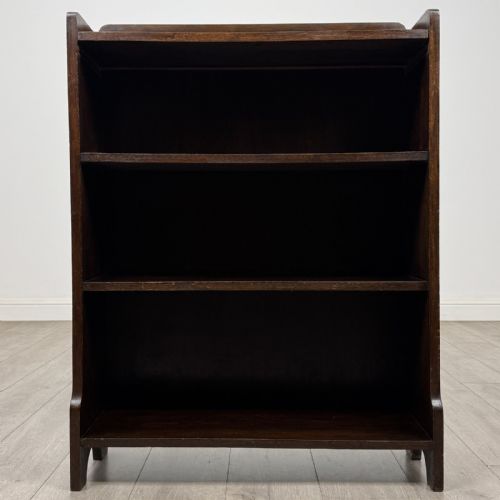
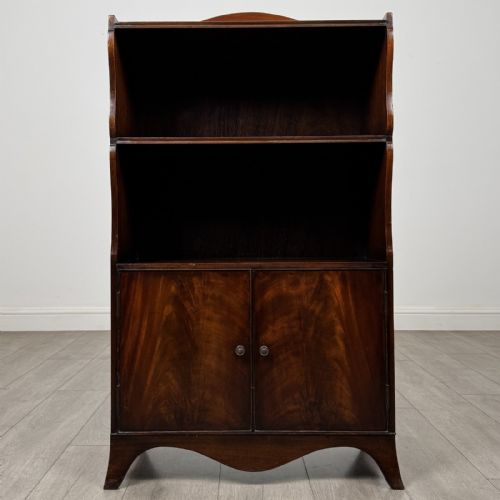
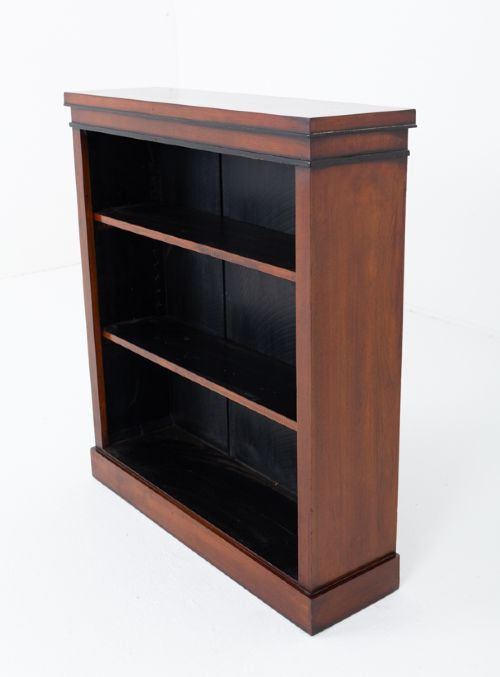
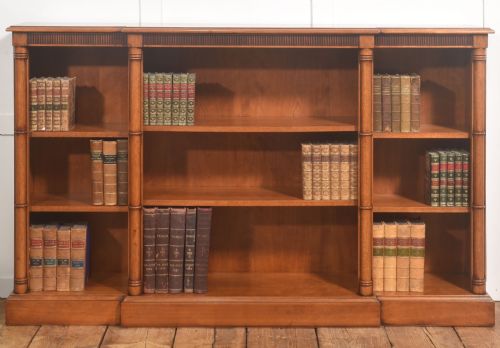
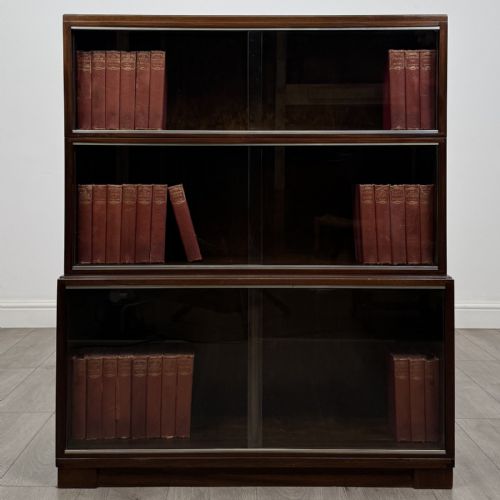
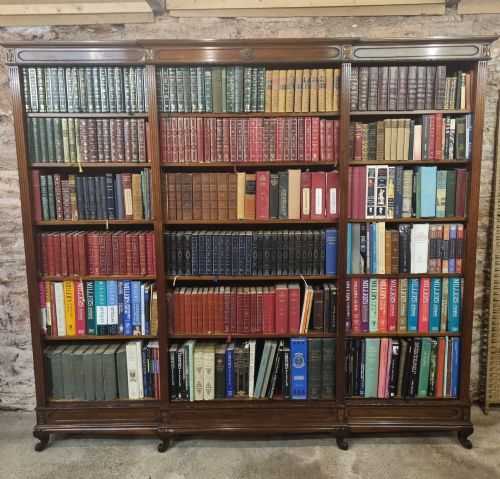
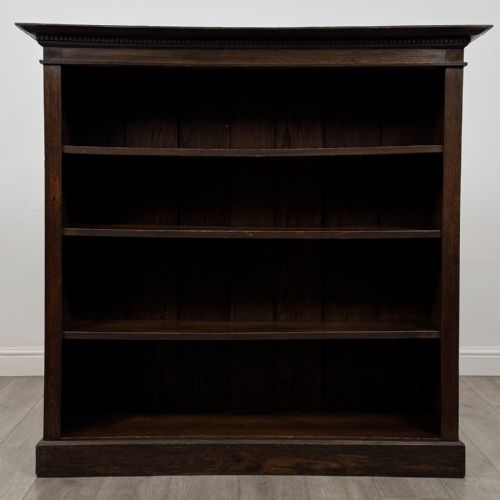
The selections here are dominated by Victorian and Edwardian examples alongside pieces from the broader nineteenth and early twentieth centuries. These take the form of open front bookcases, breakfront configurations, waterfall shapes, and glazed cabinets.
Origins represented in these items stretch from British workshops to French provincial and neoclassical revival idioms. Buyers find everything from small oak compartments to large breakfront walnut pieces equipped with adjustable shelving.
How they were made
Makers constructed these units predominantly using solid and veneered timbers such as mahogany, oak, walnut, burr walnut, and pine. Flame mahogany veneer and golden oak frequently surface on primary exterior surfaces to create visual depth and grain movement.
Carpentry techniques include adjustable shelf mechanisms, raised galleries, carved edges, and inlaid decoration. Breakfront designs require precise joinery to articulate the protruding central sections characteristic of larger library furniture.
Library Display Unit Retail Price Guide 2026
Typical asking prices for library display unit among the pieces listed under this phrase on Sellingantiques today, from the lower quarter to the upper quarter. They describe what is for sale here now, not the wider market.
Revolving bookcases let you spin your entire library around with a single gentle push.
What varies in quality
Quality in a library display unit rests on the selection of timber and the ambition of its construction. Pieces employing burr walnut or flame mahogany veneer demonstrate a higher tier of material ambition than standard pine or plain oak carcases.
The sophistication of the internal and external joinery dictates the calibre of the piece. Breakfront architecture, adjustable shelving tracks, carved oak detailing, and inlaid marquetry separate standard utilitarian furniture from superior cabinet work.
The Library Display Unit Glossary
- Breakfront
- A piece of furniture where the central section projects forward from the flanking wings. This configuration creates architectural depth in large library units.
- Gallery
- A raised decorative border running along the top edge of a piece of furniture. It prevents items placed on the surface from sliding off.
- Waterfall bookcase
- A shelving unit where each successive shelf is shallower than the one below, following a stepped descending profile. This style gained popularity during the early twentieth century.
- Revolving bookcase
- A compact shelving unit mounted on a rotating pivot base. It allows access to books from all sides within a confined footprint.
- Veneer
- A thin layer of finely figured wood applied over a secondary timber base. Flame mahogany and burr walnut utilise this technique to display dramatic grain patterns.
Library Display Unit: Frequently Asked Questions
How do I choose the right size?
Measure your available wall space and ceiling height carefully before selecting a unit. Large breakfront models demand substantial floor clearance, whereas small waterfall or revolving bookcases fit tighter corners.
Consider the volume of books or display items you intend to house. Adjustable shelving units offer flexibility if your collection includes varying book heights.
Are shelves usually adjustable?
Many of the Victorian and Edwardian bookcases listed feature adjustable shelves supported by pin or rack systems. This allows you to customise vertical clearances for oversized volumes.
Fixed shelves do appear on certain simpler or earlier vernacular pieces. Check the specific description to confirm whether shelf heights can be altered.
Where should I place a unit?
Library units suit studies, living rooms, and hallways depending on their physical footprint. Open front formats allow quick access to frequently read books.
Glazed display cabinets protect fragile bindings and decorative objects from ambient dust and handling. Keep wooden furniture away from direct heat sources and strong sunlight to protect the polish and timber.
How do I identify the period?
Periods are identified through timber choices, construction methods, and decorative motifs. Victorian pieces often use heavy mahogany or carved oak, while Edwardian examples frequently feature golden oak and lighter proportions.
Revival styles borrow architectural cues from earlier eras like the Regency or Neoclassical periods. Examining the backboards, fixings, and interior linings helps confirm the manufacturing era.