

Library Display Shelf
A library display shelf brings order and architectural weight to a room, offering open access to books and collections through pieces built to endure.
Library Display Shelf
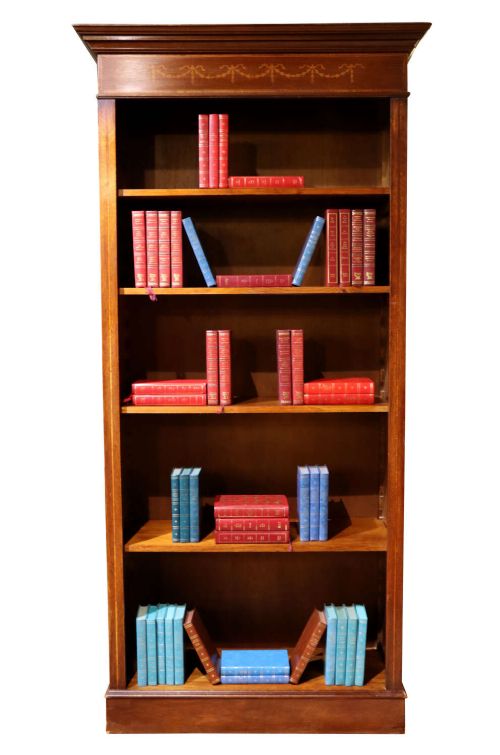
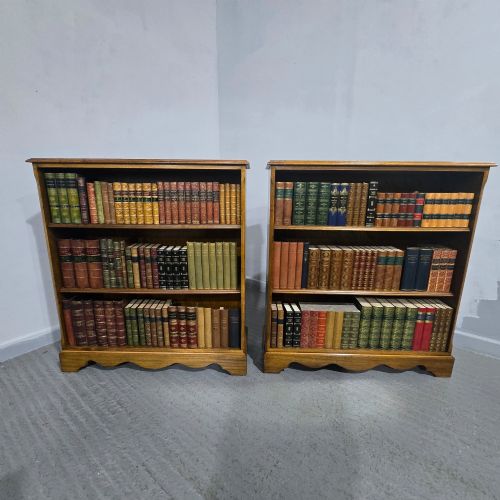
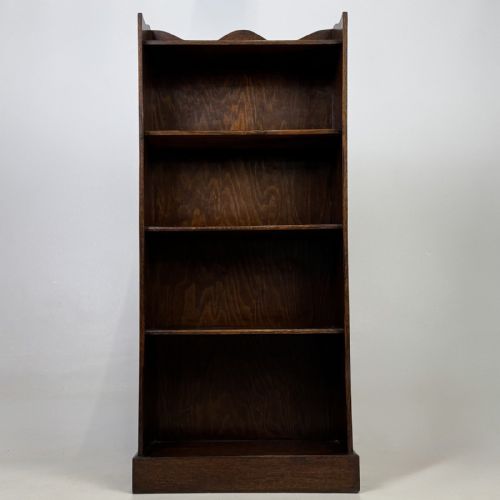
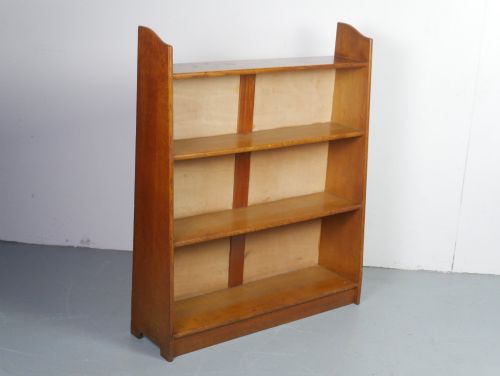
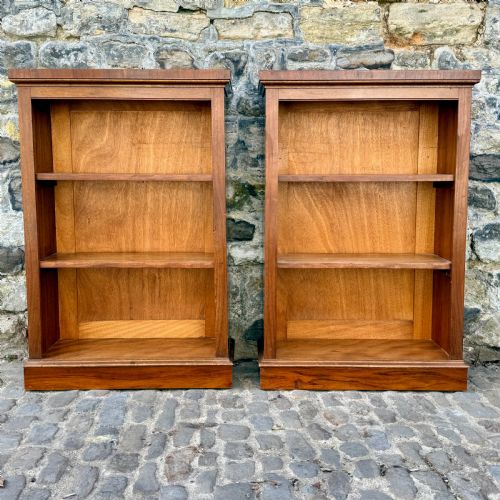
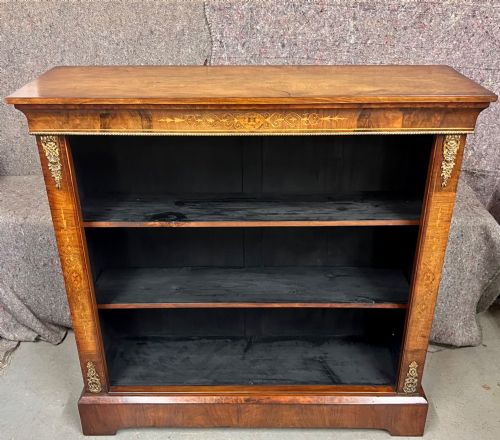
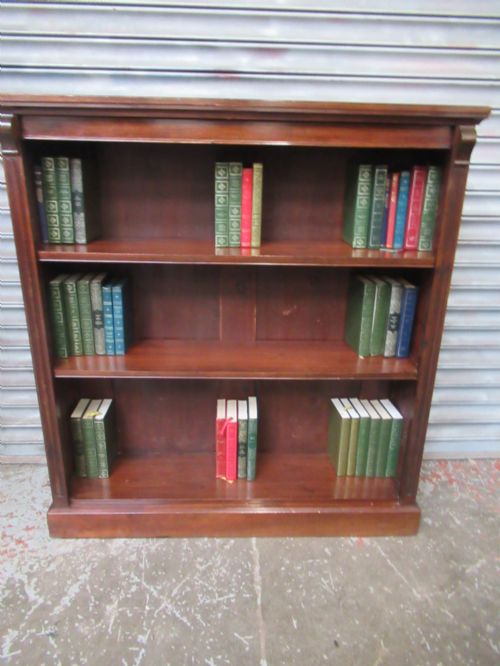
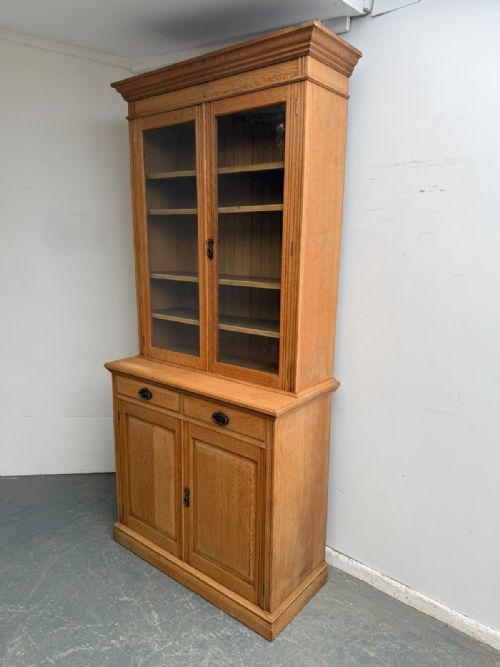
When you search for a library display shelf, you encounter pieces designed to hold books and display objects within domestic or institutional settings. The forms span open bookcases, stacking sections, revolving designs, and breakfront cabinets dating from the nineteenth century into the twentieth.
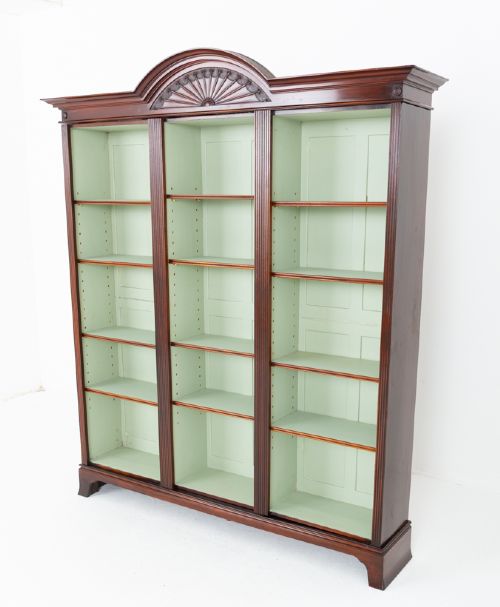
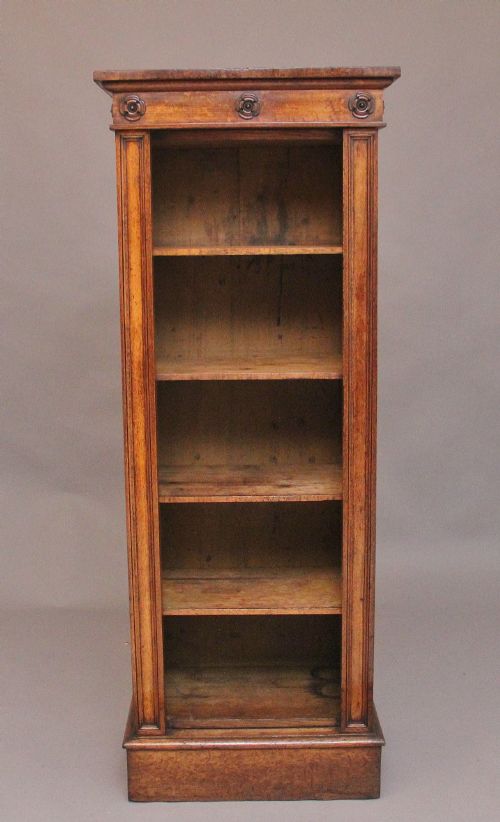
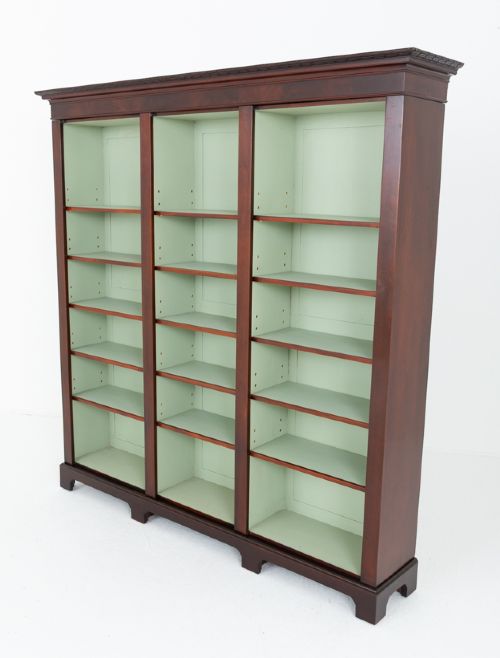
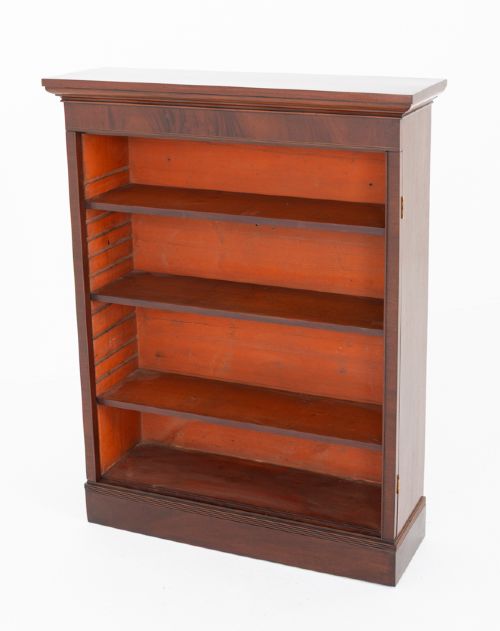
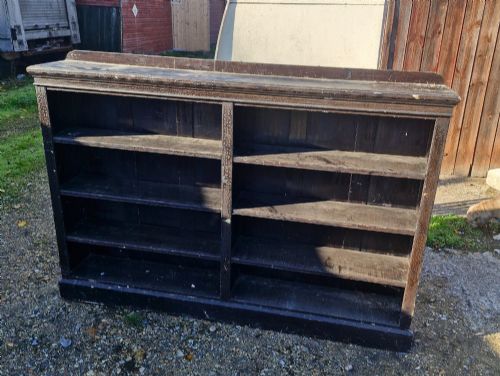
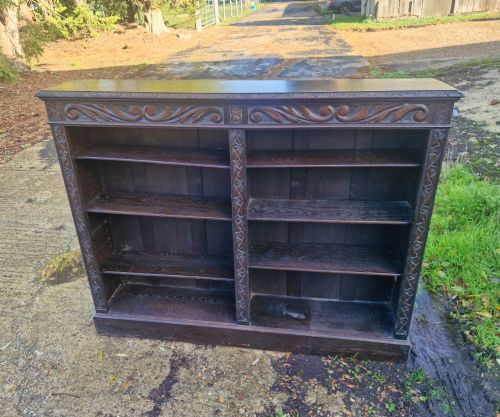
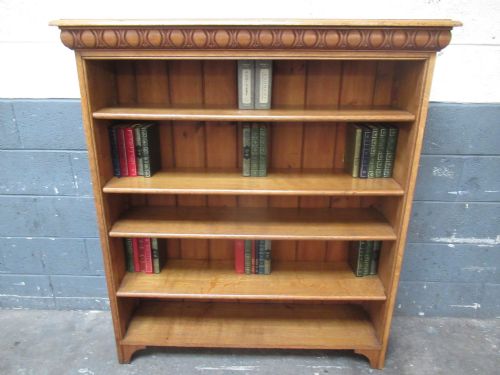
You are most likely to meet mahogany and oak open bookcases originating from the Victorian, Edwardian, and early twentieth-century periods. These include architectural variations featuring adjustable shelves, dentil cornices, and raised galleries.
The selection ranges from tall double bay furniture to smaller tiered stands and cascading walnut units. Each variant serves to organise volumes while keeping titles visible and accessible.
How they were made
Cabinet makers constructed these pieces primarily using solid mahogany, oak, and walnut, often selecting burr veneers to accentuate grain patterns on prominent surfaces. Brass mounts, handles, and gallery rails appeared on finer examples, adding structural contrast and functional detail.
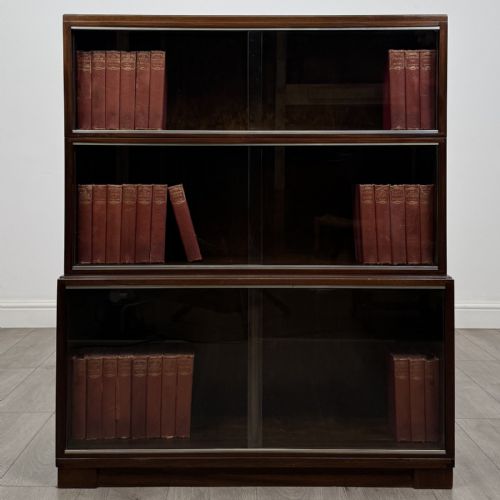
Glass doors featured on glazed and sliding display cabinets to protect contents from dust while maintaining visibility. Carved edges, dentil cornices, and inlaid sections demonstrated traditional joinery techniques executed by period workshops.
Library Display Shelf Retail Price Guide 2026
Typical asking prices for library display shelf among the pieces listed under this phrase on Sellingantiques today, from the lower quarter to the upper quarter. They describe what is for sale here now, not the wider market.
The inventory includes revolving bookcases, stacking sections, and breakfront open shelving.
What varies in quality
The standard of timber selection and preparation dictates the visual depth of the finish, with figured mahogany and burr walnut commanding attention through rich grain movement. The precision of joinery, particularly in adjustable shelf mechanisms and cornicing, separates standard utility pieces from finer cabinet work.
Proportion and structural integrity define the architectural success of larger breakfront and double bay formats. Original hardware, intact glass, and balanced proportions preserve the historical character intended by the maker.
Minty of Oxford
The Library Display Shelf Glossary
- Open bookcase
- A piece of furniture designed for book storage with unglazed fronts that provide direct access to shelves. These units often incorporate adjustable wooden supports.
- Breakfront
- A cabinet or bookcase design where the central section projects forward from the flanking wings. This configuration adds architectural depth and presence to large library furniture.
- Dentil cornice
- A decorative moulding pattern composed of small, evenly spaced rectangular blocks resembling teeth. It typically crowns the upper edge of formal bookcases.
- Revolving bookcase
- A compact shelving unit mounted on a concealed rotating base. This allows multiple tiers of books to turn freely for easy selection in confined spaces.
- Tier stands
- Multi-level open furniture pieces used for displaying books or decorative objects vertically. They maximise storage footprint while maintaining an open silhouette.
Library Display Shelf: Frequently Asked Questions
How do I style a library display shelf?
Arrange books vertically and horizontally to create visual rhythm, leaving space for ceramic objects or framed pieces. Mixing varied heights prevents the shelves from appearing dense or uniform.
Keep frequently read volumes at eye level and reserve lower shelves for heavier collections. Let natural light or room lighting reach the display to highlight timber grains and bindings.
Are the shelves usually adjustable?
Many period open bookcases utilise wooden support strips or metal tracks that allow shelves to move up and down. This flexibility accommodates volumes of varying heights.
Fixed shelves remain common in smaller or earlier modular units, so verifying interior configurations helps when planning storage for large folios.
How do I care for antique timber?
Dust surfaces regularly with a dry, soft cloth and avoid placing furniture in direct sunlight or near heat sources. Excessive temperature changes cause timber to dry out and split.
Apply traditional beeswax periodically to nourish the polished surface and maintain the natural lustre of mahogany, oak, or walnut without building up heavy chemical residues.