

Library Desk Stand
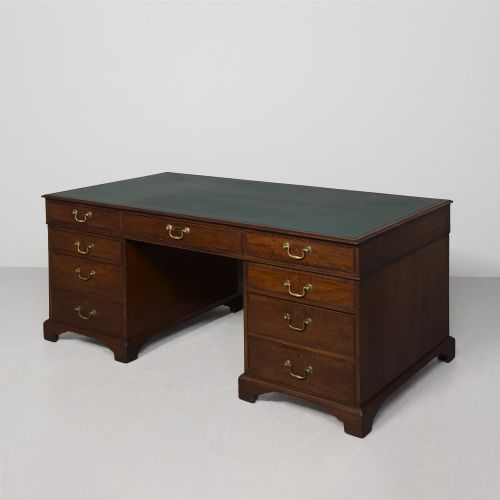
These library desk stand selections draw together historic reading tables, book rests, and revolving stands built for scholarly pursuits.
Library Desk Stand
A library desk stand encompasses specialised reading tables, book rests, and desk accessories designed to hold volumes and papers in nineteenth-century studies and libraries. The selections span Georgian, Regency, Victorian, and Edwardian periods, reflecting changing domestic habits around reading and writing.
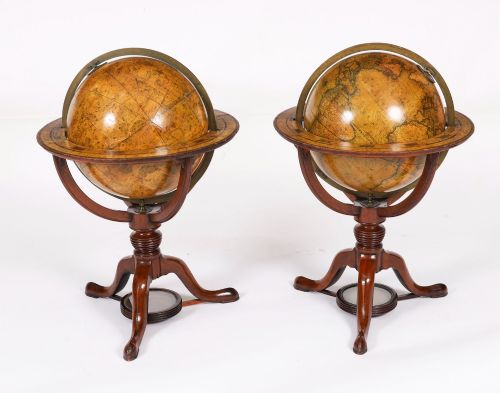
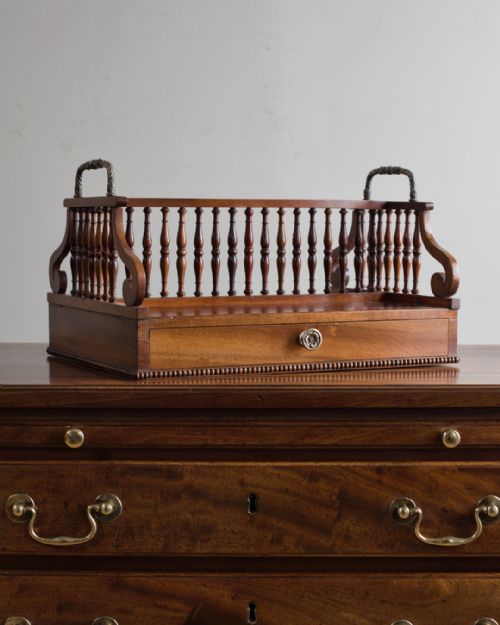
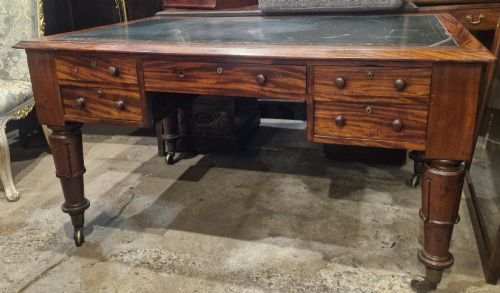
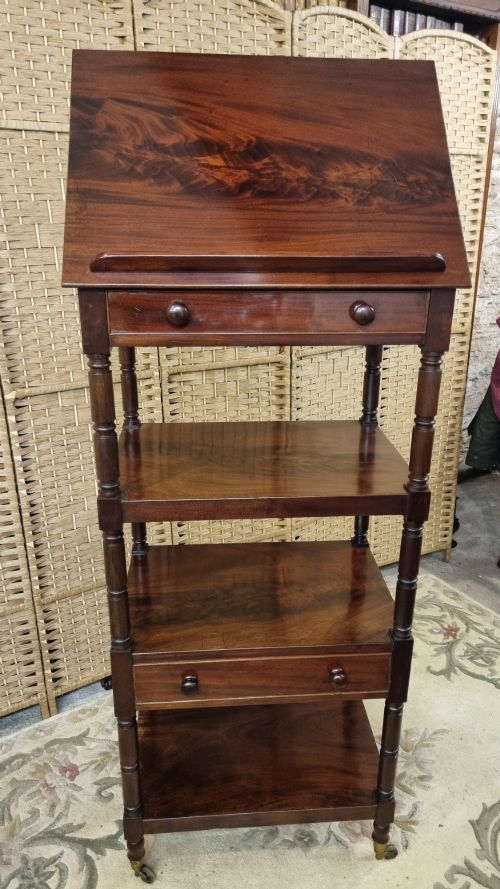
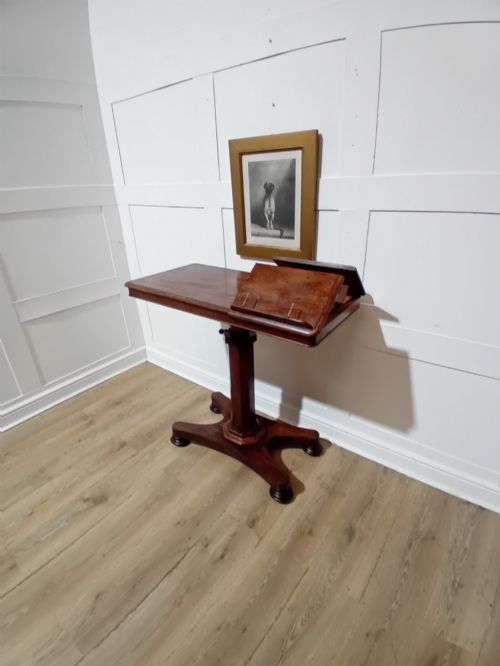
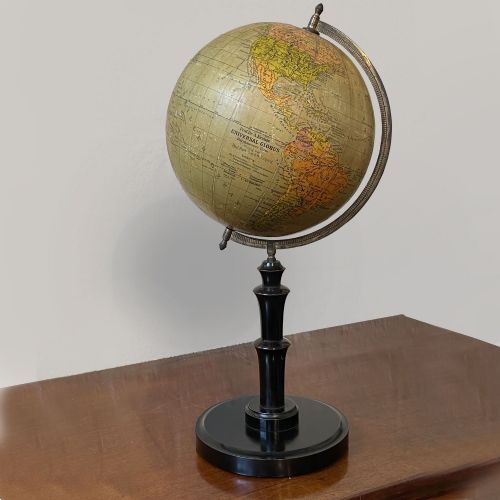
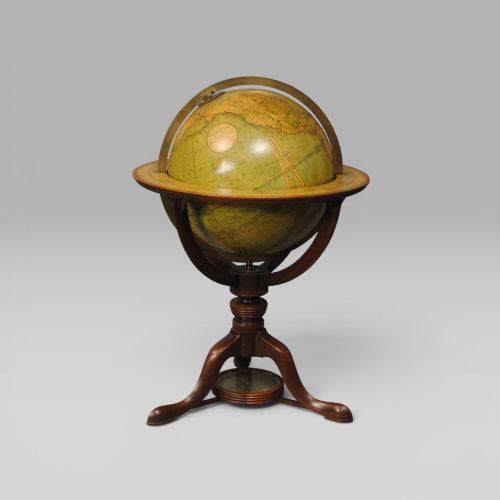
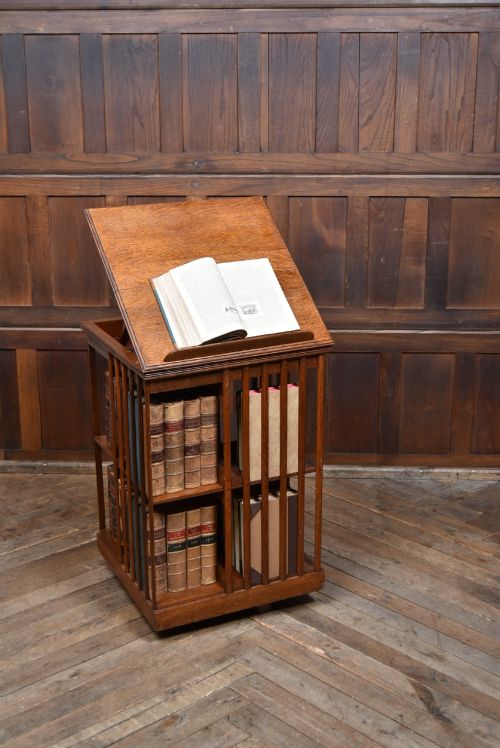
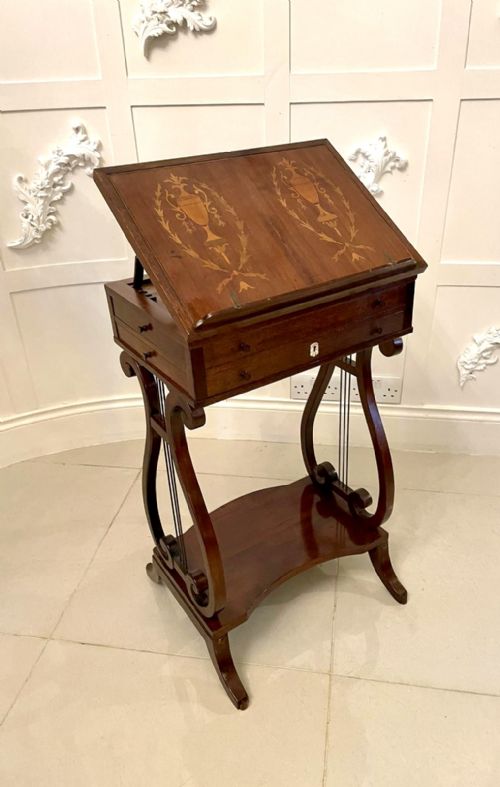
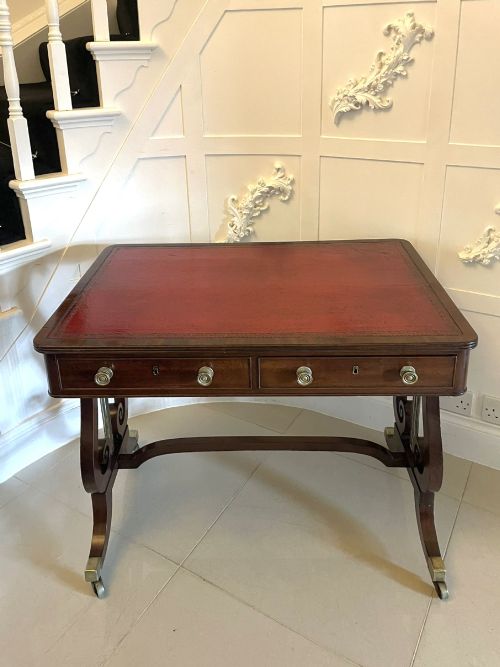
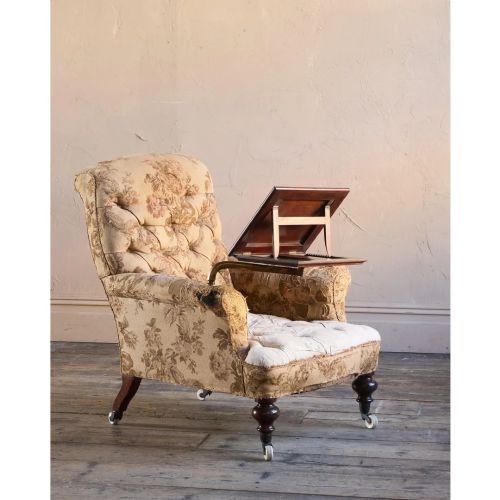
Most items appearing under this heading are mahogany or rosewood reading tables and revolving bookstands originating from the eighteenth to early twentieth centuries. These encompass adjustable reading tables, book slides, and table globes intended for desktop use or freestanding placement.
How They Were Made
Cabinetmakers utilised dense timbers such as mahogany, rosewood, and burr walnut, often pairing them with brass mountings and leather surfaces. Joinery relied on traditional methods suited to heavy volumes and frequent mechanical adjustment.
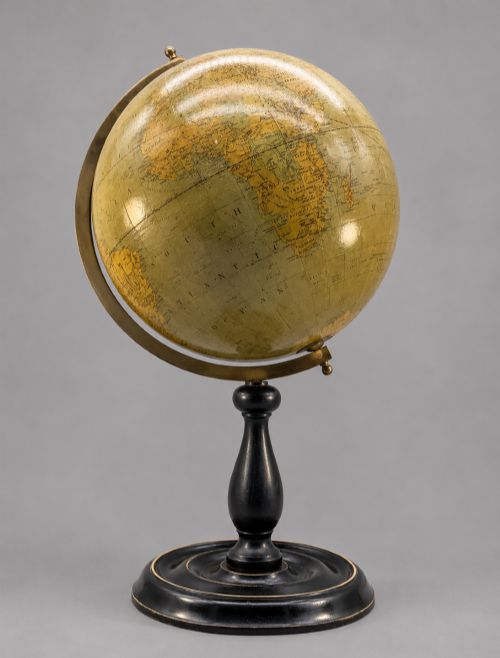
Reading stands and tables incorporate brass ratchets, screws, and folding mechanisms that allow the surface to tilt or rotate. Globes employ paper gores applied over plaster spheres, supported by timber or metal stands.
Library Desk Stand Retail Price Guide 2026
Typical asking prices for library desk stand among the pieces listed under this phrase on Sellingantiques today, from the lower quarter to the upper quarter. They describe what is for sale here now, not the wider market.
Listings feature mahogany, rosewood, and walnut across Georgian, Victorian, and Edwardian periods.
What Varies in Quality
The sophistication of the mechanical adjustment mechanisms sets individual pieces apart, separating basic utilitarian stands from complex patented designs. Smooth operation of ratchets, hinges, and revolving tiers indicates superior workshop execution.
Selection of timber grain and the crispness of turned supports or brass fittings dictate visual merit. Original surfaces and untouched patination distinguish pieces that retain their integrity from those altered over time.
Cary London·J Forest·Malby·Gillows·Carter
The Library Desk Stand Glossary
- Reading table
- A specialised table with an adjustable top designed to hold books or documents at an angle for easier viewing. These often include ledges to prevent volumes from sliding off.
- Revolving bookstand
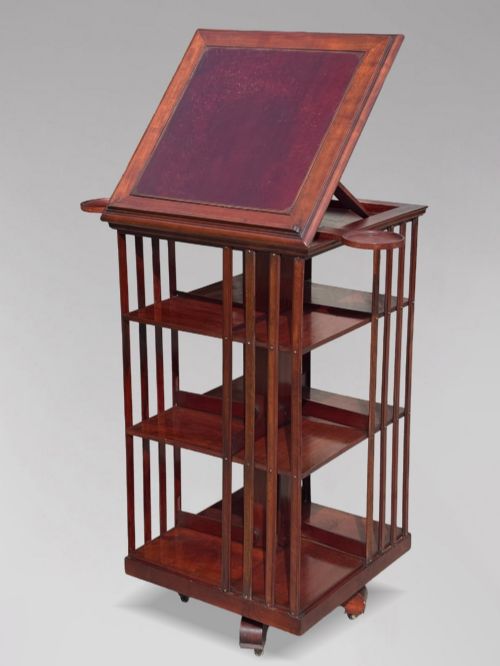
- A rotating tiered structure intended to display and store reference books within arm reach. They turn on a central pivot mechanism.
- Terrestrial globe
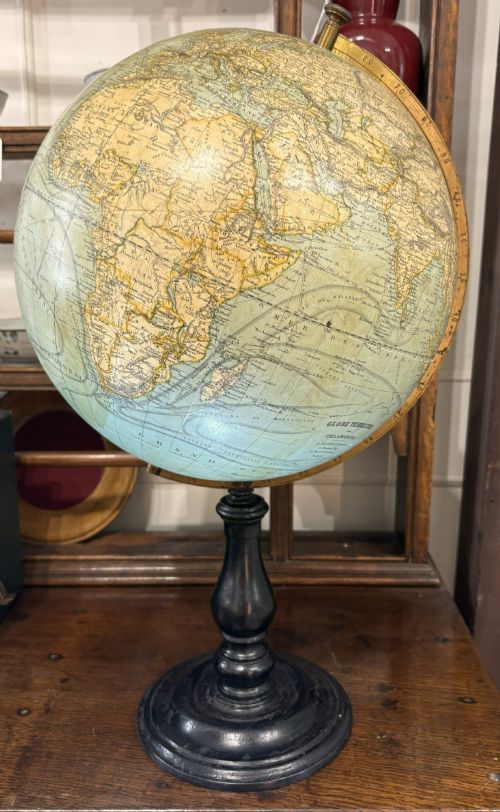
- A spherical map of the Earth mounted on an axis and stand, frequently produced in pairs with celestial counterparts. They serve as both geographical tools and library decorations.
- Book slide
- An expanding rack placed on a desk to hold a row of books upright. The extending mechanism allows the capacity to adjust as volumes are added or removed.
Library Desk Stand: Frequently Asked Questions
How do adjustable reading tables work?
Adjustable reading tables utilise brass ratchets or folding struts fitted beneath the top surface. These allow the user to alter the angle of the book rest according to their seating position.
Many examples also incorporate height-adjustment screws or sliding mechanisms mounted on central pillars for greater versatility.
Where were revolving bookstands placed?
Revolving bookstands were typically positioned beside armchairs, desks, or in the centre of a library room. Their rotating bases provided immediate access to frequently consulted reference volumes.
Smaller versions sat directly on top of desks, whilst taller multi-tiered models stood independently on the floor.
What timber is most common?
Mahogany dominates the surviving pieces from the Georgian and Victorian eras, valued for its stability and rich grain. Rosewood and burr walnut appear frequently on finer nineteenth-century examples.
Secondary woods like pine or oak are often found in concealed structural areas of the pieces.
How do you date a globe?
Globe dates are determined by the geopolitical boundaries, shipping routes, and city names printed on the paper gores. Cartographers frequently updated these details to reflect historical changes.
Maker signatures and publication dates printed in the cartouche provide the most direct evidence of origin.