



Liberty Silver
Liberty silver pieces are definitive works of the Arts and Crafts and Art Nouveau movements, sought after for their organic ornament and distinctive metalwork.
Liberty Silver
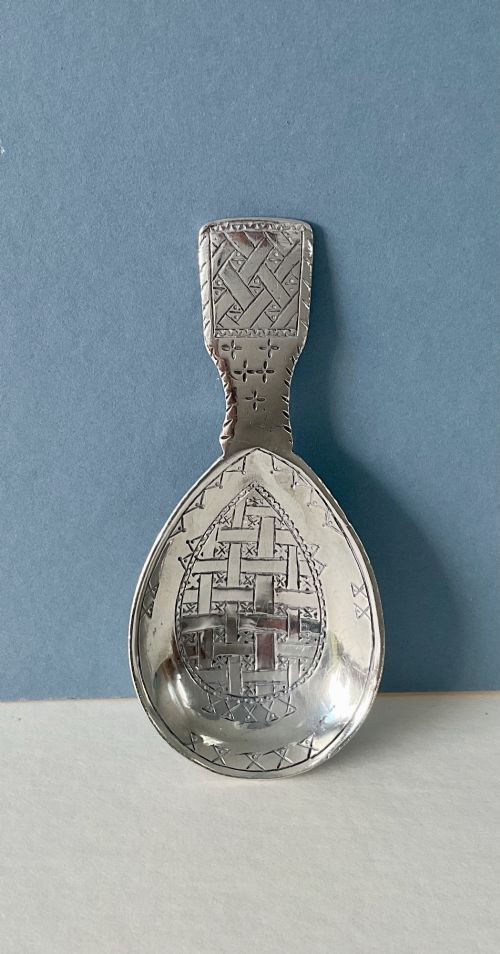
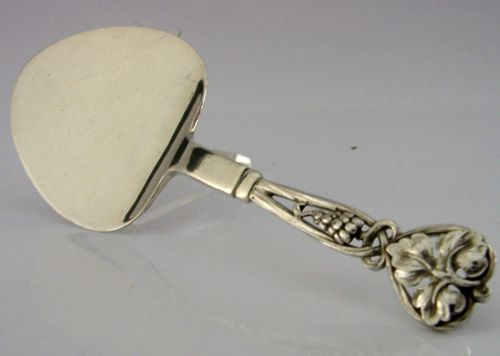
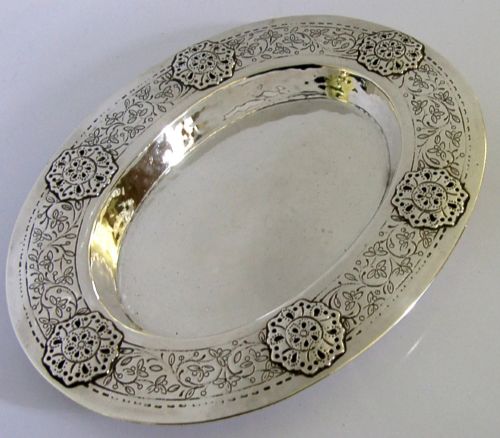
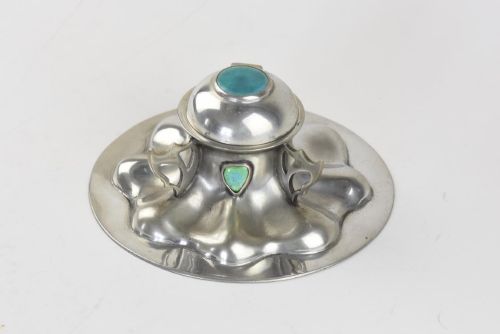
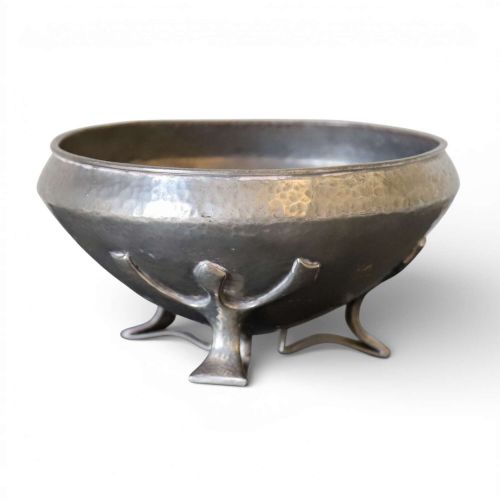
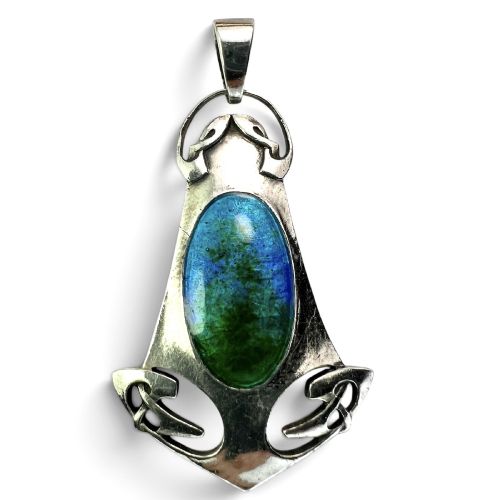
When searching for liberty silver, collectors encounter items spanning the 19th Century, Edwardian era, and the 1920s to 1950s. These pieces include sterling silver bowls, pendant necklaces, caddy spoons, and inkwells that embody distinct stylistic movements.
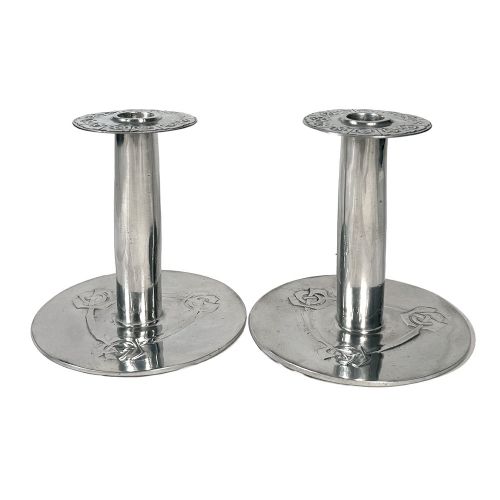
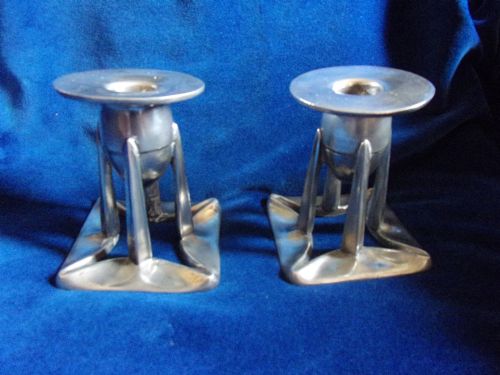
The most common examples on this page are sterling silver and pewter items designed in the Arts and Crafts and Art Nouveau styles, frequently incorporating Celtic Revival motifs.
How they were made
Makers shaped sterling silver and polished pewter using manual hammering techniques, producing tactile surfaces with visible tool marks. Metalwork often featured applied elements and hand-beaten textures.
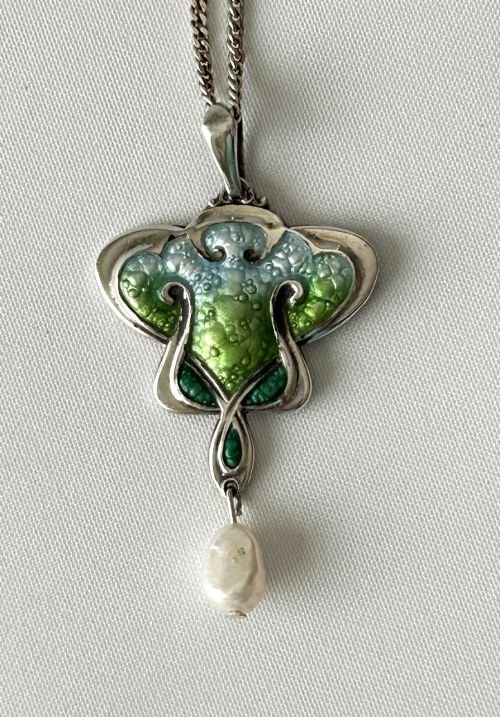
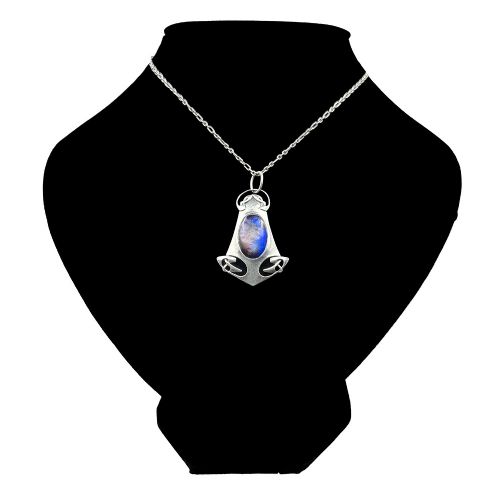
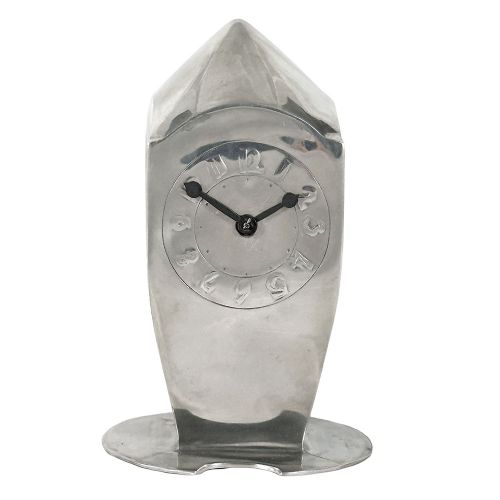
Enamel, glass, pearl, opal, and semi-precious cabochons were integrated into the metal frames to provide colour and contrast. Artisans utilised vitreous enamel and stone settings to accent pendants, clocks, and tableware.
Liberty Silver Retail Price Guide 2026
Typical asking prices for liberty silver among the pieces listed under this phrase on Sellingantiques today, from the lower quarter to the upper quarter. They describe what is for sale here now, not the wider market.
Object forms span practical domestic items such as cigarette cases, menu holders, and pastry servers, alongside personal jewellery.
What varies in quality
The distinction between standard items and superior examples lies in the complexity of the design and the execution of the decorative elements. Pieces designed by notable figures command greater attention for their intricate geometry and balanced proportions.
The integration of multiple materials, such as combining sterling silver with vibrant enamel panels or natural pearls, elevates the sophistication of the work.
Archibald Knox·Murrle Bennett·William Hutton·Oliver Baker·David Veasey·WH Haseler
The Liberty Silver Glossary
- Tudric
- The trade name used for pewter wares manufactured for Liberty and Co, often associated with designs by Archibald Knox.
- Cymric
- The trade name applied to silver and jewellery lines produced for Liberty and Co, frequently featuring Celtic Revival motifs.
- Vitreous enamel
- Glass fused to metal under high heat, utilised to add durable colour and glossy detail to silver and pewter surfaces.
- Cabochon
- A gemstone shaped and polished with a smooth, convex surface rather than faceted, commonly seen in rings, pendants, and boxes.
Liberty Silver: Frequently Asked Questions
What is Tudric pewter?
Tudric pewter is a high-grade alloy utilised by Liberty and Co for decorative metalware during the early twentieth century. It allowed designers to create complex, organic forms associated with the Arts and Crafts movement.
Items produced in this metal range from candlesticks and clocks to domestic tableware and tea sets, often bearing model numbers stamped into the base.
How do I identify Cymric silver?
Cymric silver items are identified by their distinct Celtic Revival and Art Nouveau aesthetic, incorporating interlace patterns, stylized plant motifs, and cabochon stones.
These pieces typically carry specific hallmarks relating to Liberty and Co or their manufacturing partners like WH Haseler.
How should I clean silver and pewter?
Silver and pewter require gentle maintenance using non-abrasive cloths to preserve the original surface texture and patina. Harsh chemical dips should be avoided, particularly on items featuring enamel or set stones.
Store pieces in dry environments to prevent tarnishing and protect fragile elements like glass inserts or pearl drops from impact.
Are these items hallmarked?
Many sterling silver items feature traditional assay office hallmarks that indicate the year of manufacture and the maker's mark. Pewter objects are usually stamped with model numbers and trade names rather than full hallmarks.
Checking the base or reverse of an object typically reveals these stamps and numbers.