




Liberty Bookcase
A liberty bookcase brings the honest joinery and clean lines of the Arts and Crafts movement straight into your room.
Liberty Bookcase
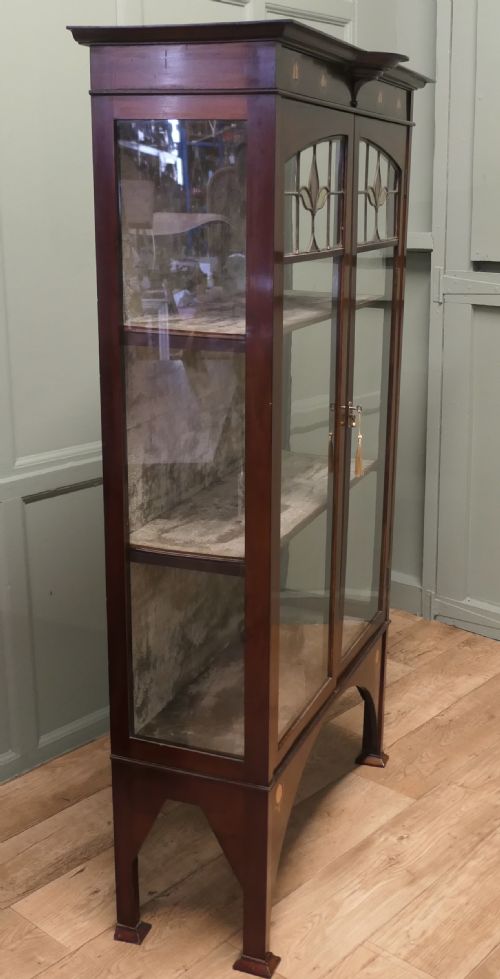
A liberty bookcase encompasses sturdy oak storage units, bureaux, and glazed display cabinets created under the influence of the renowned London firm and its contemporaries. The pieces you encounter most often on this page belong to the Arts and Crafts and Aesthetic Movement styles, dating from the late nineteenth century into the Edwardian era.
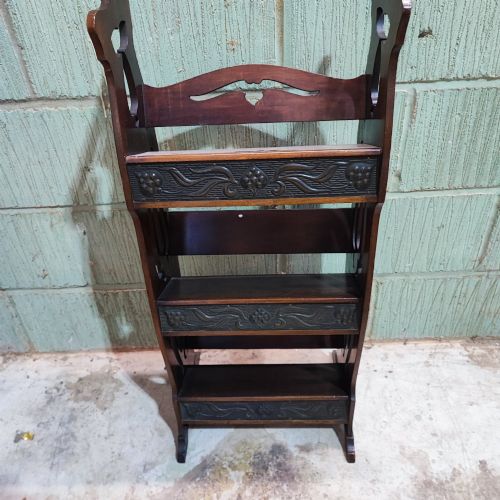
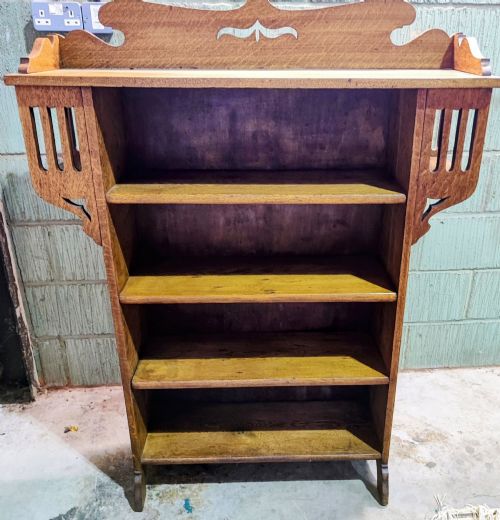
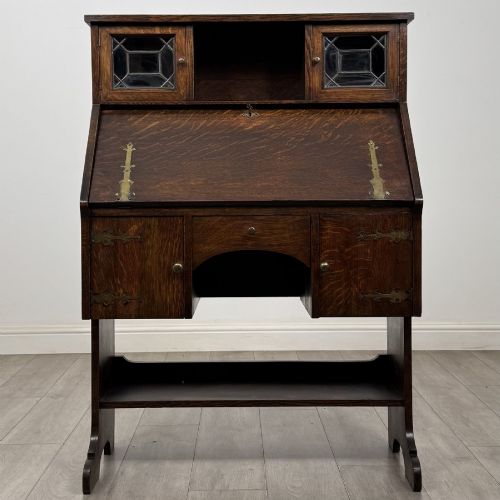
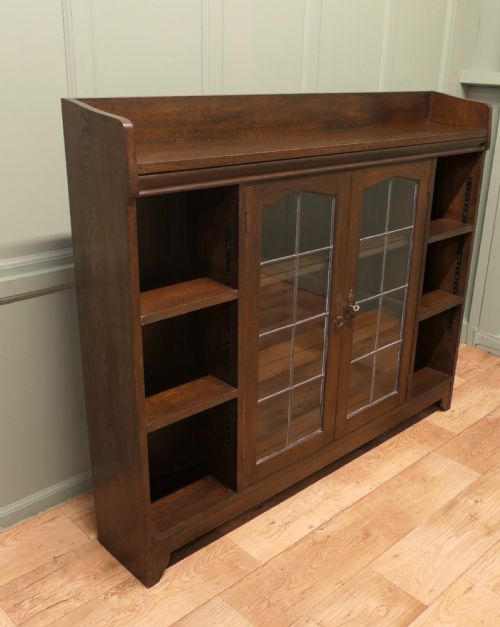
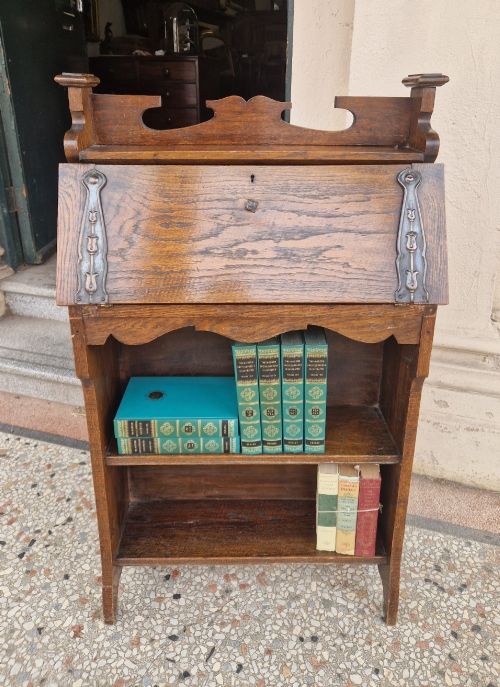
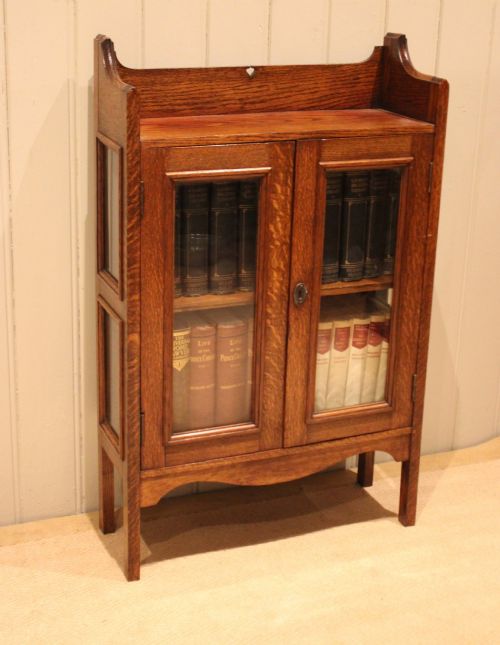
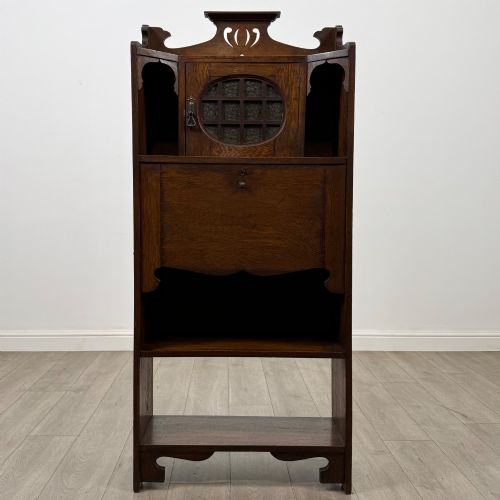
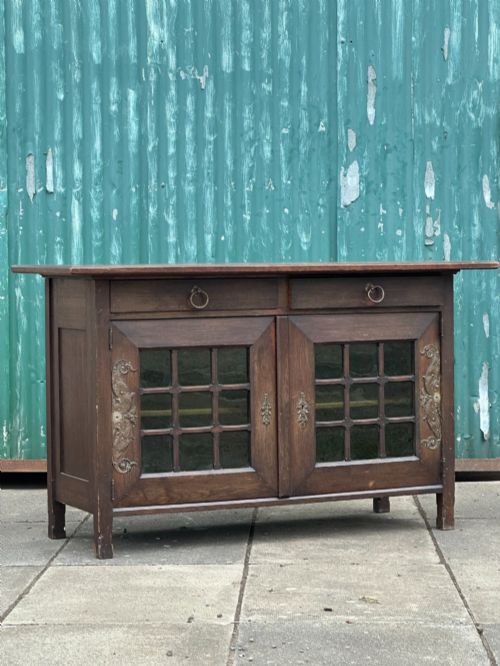
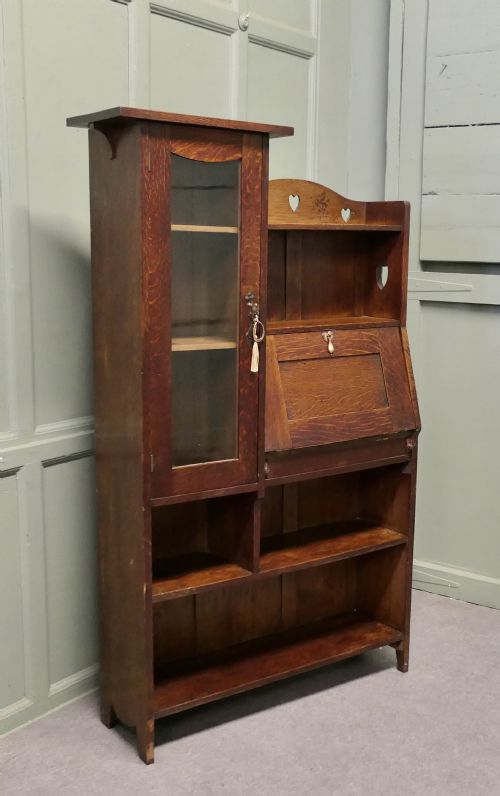
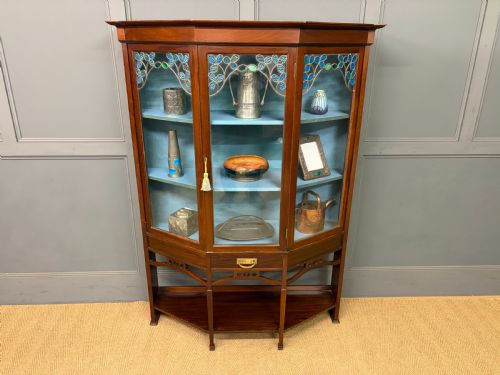
Forms range from simple open front shelving and two tier bookstands to tall glazed cabinets and combined bureau bookcases fitted with desks. Many examples integrate leaded glass, copper hardware, and inlaid details that set them apart from standard mass produced domestic furniture.
Makers and designers of the period, including Leonard Wyburd and firms such as Shapland and Petter, produced these items using solid timbers like oak and mahogany. You will find that these designs favour utility and visible construction methods over excessive surface ornamentation.
Materials and Construction
Carpenters relied heavily on solid oak, golden oak, and occasionally mahogany, building structures designed to endure heavy daily use. Pegged joints, exposed tenons, and open shelving highlight the structural honesty demanded by the Arts and Crafts philosophy.
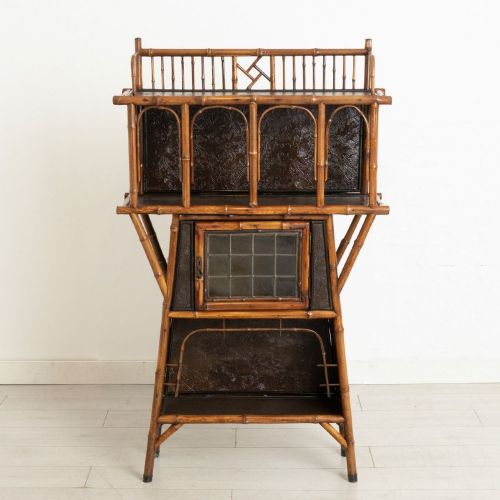
Metal accents played a crucial functional and decorative role, incorporating brass, copper, iron, and lead. Glazed sections frequently utilised leaded glass panels, while bamboo appeared in specific aesthetic pieces associated with Liberty and Co.
Liberty Bookcase Retail Price Guide 2026
Typical asking prices for liberty bookcase among the pieces listed under this phrase on Sellingantiques today, from the lower quarter to the upper quarter. They describe what is for sale here now, not the wider market.
Several pieces quietly disguise themselves as innocent bookcases before folding down to reveal a fully functional writing desk.
Assessing Quality and Craftsmanship
Superior examples demonstrate careful timber selection, where the grain pattern of the oak enhances the overall silhouette rather than fighting against it. Hand beaten copper hinges, precise leaded glass work, and subtle inlaid details distinguish finer workshop output from simpler utilitarian furniture.
The integrity of the structural joinery, such as pegged joints that remain tight and drawers that run smoothly, determines the enduring standard of a piece. Lesser items often rely on simpler corner blocking and lack the thoughtful proportions seen in documented attributions.
Liberty and Co·Leonard Wyburd·Shapland and Petter
The Liberty Bookcase Glossary
- Arts and Crafts
- A design movement spanning the late nineteenth and early twentieth centuries that prioritised traditional craftsmanship, simple forms, and visible structural honesty over industrial mass production.
- Aesthetic Movement
- A late Victorian artistic movement focused on the doctrine of art for art's sake, often incorporating exotic influences and refined decorative details into everyday objects.
- Art Nouveau
- A style characterised by flowing, organic lines and natural motifs that emerged around the turn of the twentieth century.
- Bureau
- A desk featuring a sloping hinged writing flap that covers internal compartments, frequently combined with bookcase shelving above.
- Leaded glass
- Small panes of glass held together by narrow strips of lead, commonly used in cabinet doors to form geometric or decorative patterns.
Liberty Bookcase: Frequently Asked Questions
What is a liberty bookcase?
A liberty bookcase is typically an oak storage unit or display cabinet rooted in the Arts and Crafts style, often associated with the London retailer Liberty and Co.
These pieces emphasise honest construction, solid timber, and subtle decorative hardware rather than heavy Victorian ornamentation.
How were these bookcases used?
They served primarily to house private libraries, display cherished ceramics, or provide combined writing and storage space within domestic interiors.
Students and professionals used bureau variants as compact desks that kept books and writing materials close at hand.
How do I fit one into my home?
Their warm oak tones and clean architectural lines allow them to blend easily with both traditional and contemporary interior schemes.
An open shelf model works well in a living room for daily reading, while a glazed cabinet protects more delicate volumes.
How do I tell the periods apart?
Victorian and 1880s pieces often lean towards heavier proportions, while 1900 and Edwardian examples show lighter framing and simpler geometric inlays.
Aesthetic Movement variations from the 1890s may incorporate unexpected materials like bamboo alongside traditional cabinet work.