


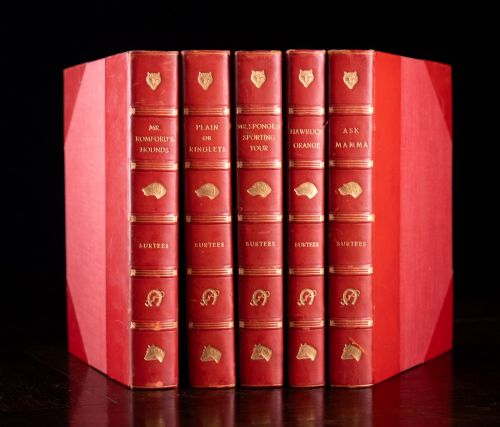
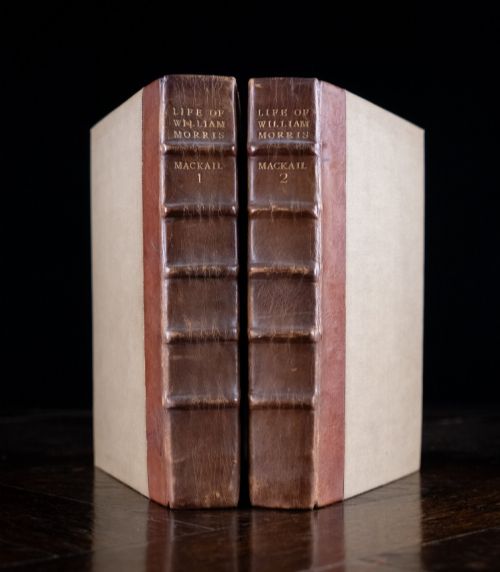
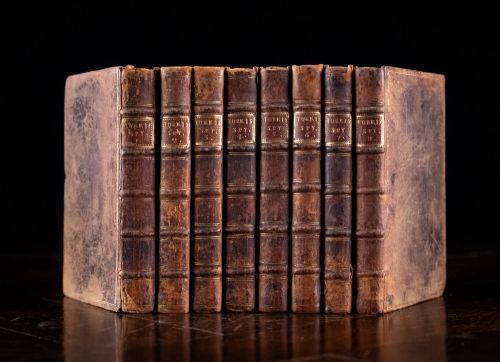
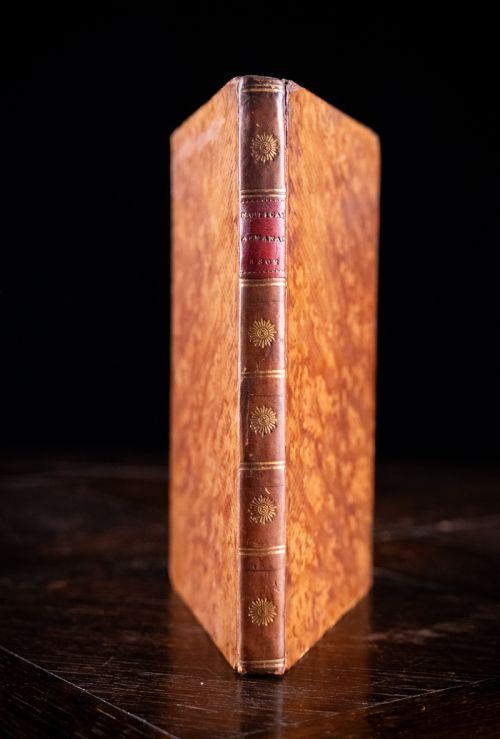



Leather Spine Volumes
Leather spine volumes bring tangible history to a shelf, offering durable bindings and centuries of literature from Georgian, Regency and Victorian periods.
Leather Spine Volumes
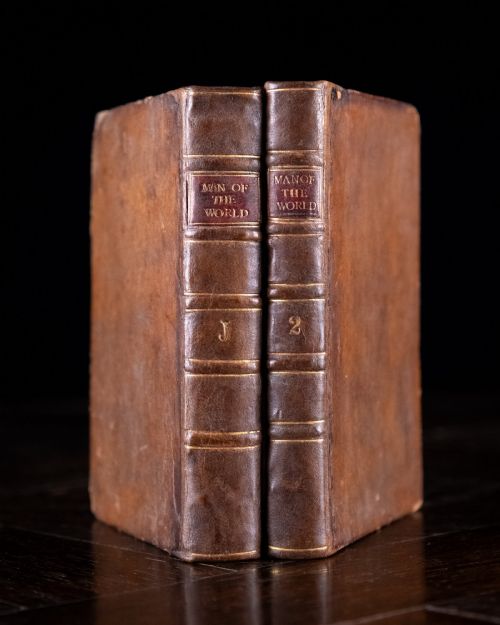
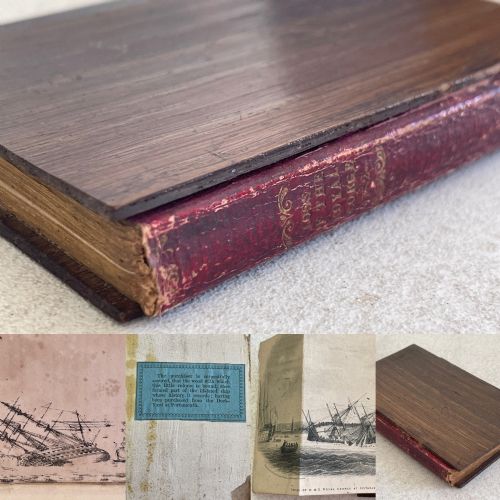
When a buyer searches for leather spine volumes, they encounter antiquarian books, multi-volume sets and single editions spanning the eighteenth, nineteenth and early twentieth centuries. These bindings protect texts ranging from English county history and sporting novels to classical plays and biographical memoirs.
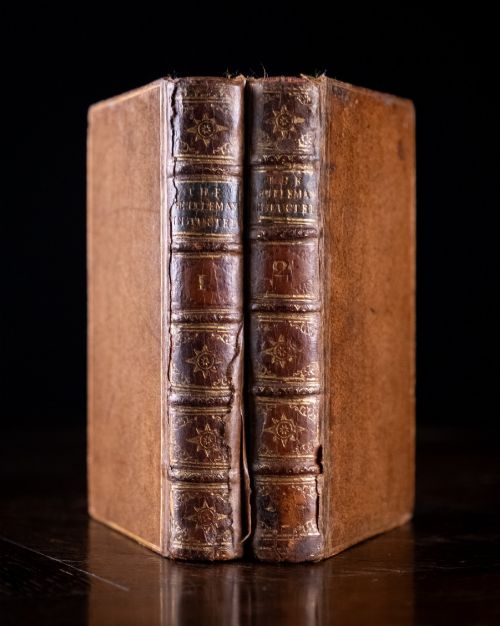
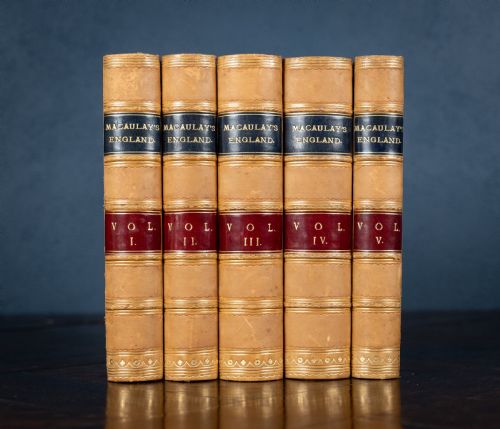
The most common examples on this page are nineteenth-century book sets, alongside Edwardian editions and eighteenth-century works. These volumes frequently arrive in uniform sets or matched runs, reflecting how libraries were curated and displayed in past centuries.
Origins stretch across British publishing houses and continental presses, encompassing English language histories, French texts and specialised periodicals. Collectors find everything from miniature books to twelve-volume sets of Shakespeare plays housed in sturdy bindings.
Materials and construction
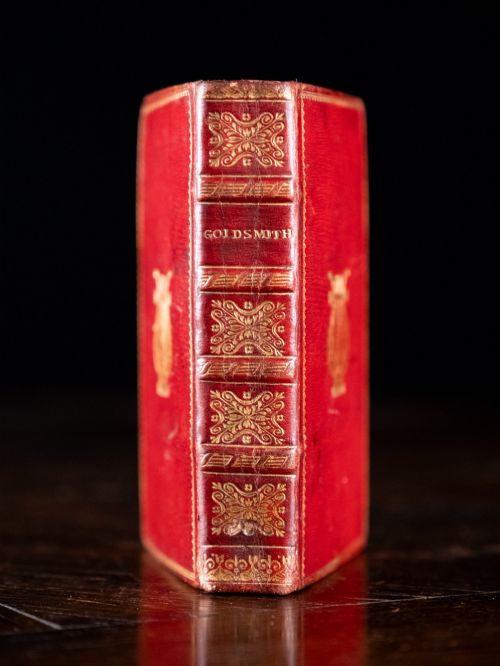
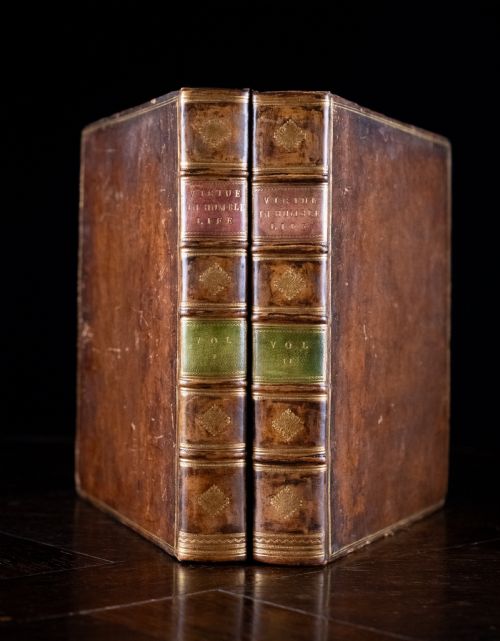
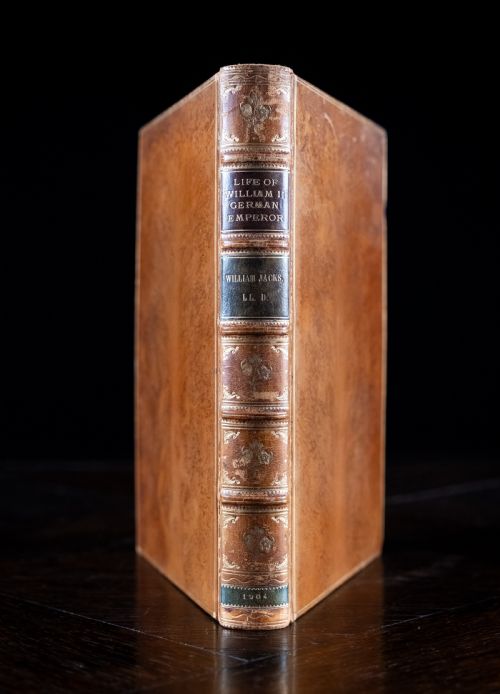
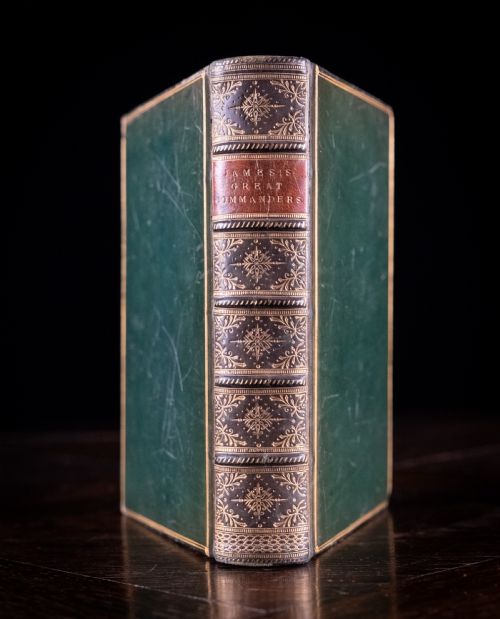
Binders utilised calfskin leather, vellum and durable cloth over paper boards to construct these volumes. Spines were frequently reinforced and decorated using gold leaf tooling, imparting both structural longevity and ornamental detail.
Pages consist of traditional rag paper or early wood-based paper stocks, often paired with marbled paper endpapers. Bindings were executed by hand, sometimes bearing the distinct stamp of established binderies upon completion.
Leather Spine Volumes Retail Price Guide 2026
Typical asking prices for leather spine volumes among the pieces listed under this phrase on Sellingantiques today, from the lower quarter to the upper quarter. They describe what is for sale here now, not the wider market.
Listings feature works published across the 18th, 19th and early 20th centuries, utilising calfskin, vellum and marbled paper.
Distinctions in quality
Superior quality rests in the crispness of gold leaf tooling upon the spine, the suppleness of the calfskin or vellum, and the uniformity of bound sets. Binders who maintained precise alignment and harmonious leather tones produced works that endure with distinct elegance.
The integrity of the internal sewing and the preservation of original endpapers and paper stock also elevate certain volumes above standard editions. Completeness of multi-volume sets remains a primary determinant of desirability for serious collectors.
Henry Young & Son·J. Wheble London
The Leather Spine Volumes Glossary
- Calfskin
- A soft, smooth leather derived from the skin of a calf, frequently used for traditional bookbindings due to its fine texture.
- Vellum
- A prepared animal skin used for book covers and manuscript pages, prized for its durability and pale, smooth surface.
- Gold leaf
- Extremely thin sheet gold applied to leather spines for lettering and decorative tooling.
- Marbled paper
- Paper decorated with a colourful patterned swirl design, commonly utilised for endpapers inside the front and back covers.
- First edition
- The earliest printed appearance of a work issued from the initial setting of type.
Leather Spine Volumes: Frequently Asked Questions
How do I care for leather spine volumes?
Keep volumes away from direct sunlight and damp environments to prevent the leather and paper from degrading.
Maintain stable room temperatures and handle the spines carefully when removing books from a shelf to preserve the original binding.
Are these book sets complete?
Many listings comprise complete multi-volume sets, such as eight-volume histories or multi-part sporting novels issued together.
Descriptions specify whether a set remains complete or represents a distinct run of published volumes.
What periods do these books cover?
The selection spans from the early eighteenth century through the Georgian, Regency and Victorian eras into the Edwardian period.
Publication dates and stylistic clues help identify the exact era of each binding and printed text.
How do I identify a first edition?
Publishers note first editions within the publication details on the title page or introductory leaves of the book.
Early nineteenth-century and Victorian printings often carry explicit statements of their first edition status.