



Leather Scabbard Blade
These leather scabbard blade items are historic edged weapons paired with their original protective sheaths, sought after by collectors of military history.
Leather Scabbard Blade
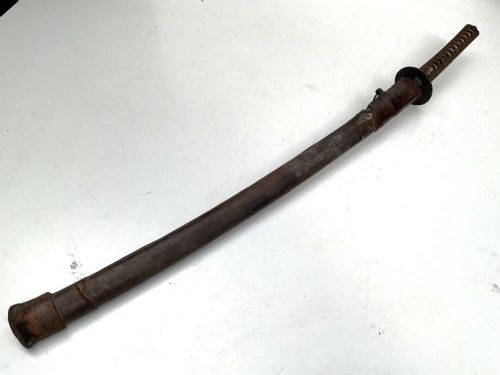
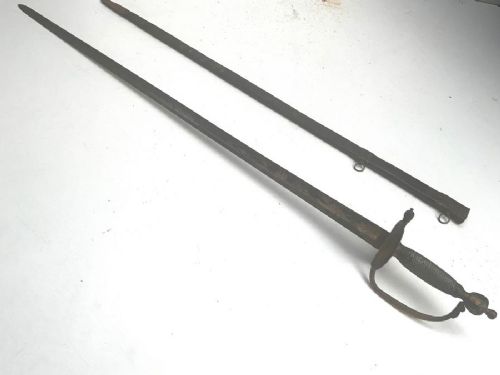
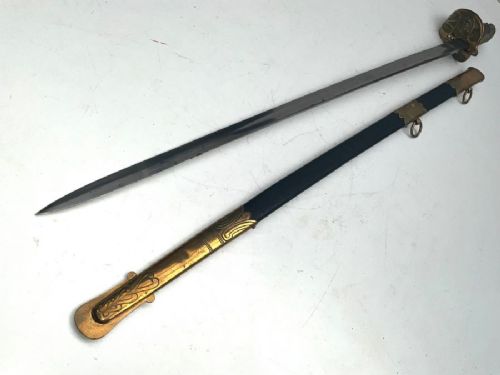
When you search for leather scabbard blade items, you encounter a diverse range of historic edged weapons spanning several centuries. The selection encompasses military swords, bayonets, daggers, and sabres housed in their protective leather cases.
Most examples you meet on this page originate from the Victorian era, the nineteenth century, and mid-twentieth century military contexts. Forms range from British officer spadroons and cavalry sabres to German naval presentation swords and World War II commando knives.
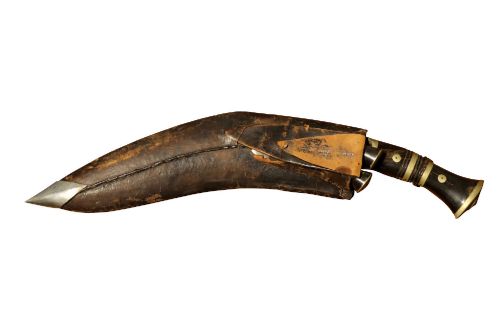
Global military traditions are strongly represented through Edo period Japanese samurai swords, Nepalese kukri knives with companion blades, and Indo-Persian designs. Each piece preserves a functional combination of a steel weapon and its organic housing.
How they were made
The construction of these items relies heavily on forged steel for the blades, often paired with brass, gilt brass, or iron mountings. Handles incorporate organic materials such as wood, horn, and walnut to ensure a secure grip.
The protective scabbards combine hardened leather with metal throats and chape fittings to secure the blade safely. Craftsmanship reflects the military standards and stylistic conventions of periods ranging from the Georgian era to the mid-twentieth century.
Leather Scabbard Blade Retail Price Guide 2026
Typical asking prices for leather scabbard blade among the pieces listed under this phrase on Sellingantiques today, from the lower quarter to the upper quarter. They describe what is for sale here now, not the wider market.
Listings feature steel blades paired with leather scabbards across periods including the Georgian era, Victorian times, and the mid-twentieth century.
What varies in quality
Quality differences lie in the preservation of the steel blade markings, etchings, and the original integrity of the leather scabbard. Pieces retaining their matching mounts and auxiliary components present a higher level of historical completeness.
The sophistication of the hilt decoration, such as blue gilt blading on British officer spadroons or presentation detailing on naval swords, distinguishes standard military issue from officer or presentation grades.
The Leather Scabbard Blade Glossary
- Kukri
- A distinctive Nepalese knife with a recurved blade used as both a tool and a weapon. These often include a wooden or leather scabbard accompanied by small companion knives.
- Bayonet
- A blade designed to fit onto the muzzle of a rifle for close combat. Examples from the Victorian era onwards frequently utilise steel and leather or metal fittings.
- Sabre
- A backsword with a curved blade intended primarily for cavalry use. Eighteenth and nineteenth-century patterns often display distinct guard designs and leather-covered scabbards.
- Katana
- A traditional Japanese sword characterised by a curved, single-edged blade. These items are associated with the Edo period and military mountings like the Shin-Gunto.
Leather Scabbard Blade: Frequently Asked Questions
What periods do these weapons cover?
The selection spans from the early eighteenth century through the Victorian era and into the mid-twentieth century. Pieces represent specific historical conflicts and military manufacturing standards of their respective times.
Collectors will find items dated across the Georgian period, the nineteenth century, and World War II. Each era brings distinct metallurgical techniques and stylistic hilt designs.
Are the scabbards original to the blades?
The listings feature weapons preserved with their original leather or metal-mounted scabbards. Originality is a key factor for collectors seeking historically accurate pairings.
Many scabbards retain period-correct stitching, metal fittings, and suspension loops that match the age and wear of the blade they house.
How do I identify different military types?
Identification relies on blade geometry, hilt shape, and distinct national patterns such as British cavalry sabres or Japanese Gunto mountings. Maker marks and dates stamped on the steel also provide clear attribution.
Examining the materials used in the grip, such as walnut, horn, or wire-wrapped wood, helps narrow down the period and origin of the edged weapon.
What materials are used in the handles?
Handle construction varies according to the weapon's origin, date, and military rank. Common materials include carved wood, textured horn, and walnut.
Some military swords also incorporate wire bindings, brass pommels, and guard components to improve grip and structural durability.