

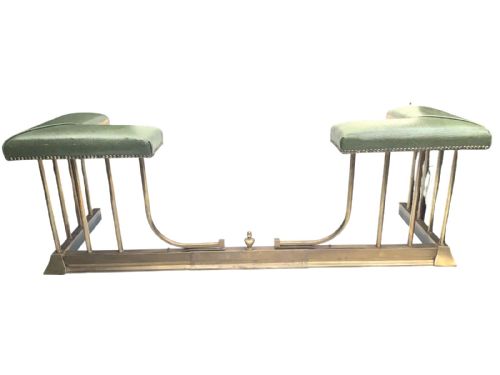
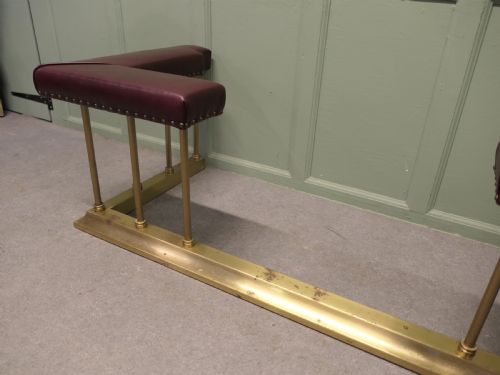


Leather Hearth Fender
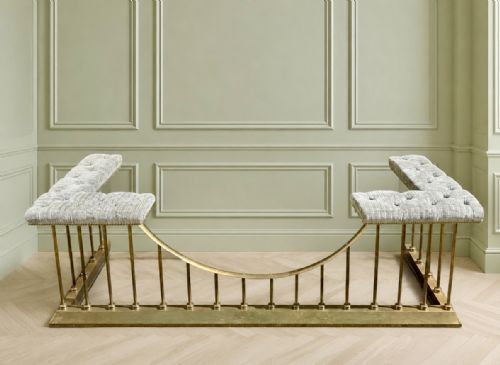
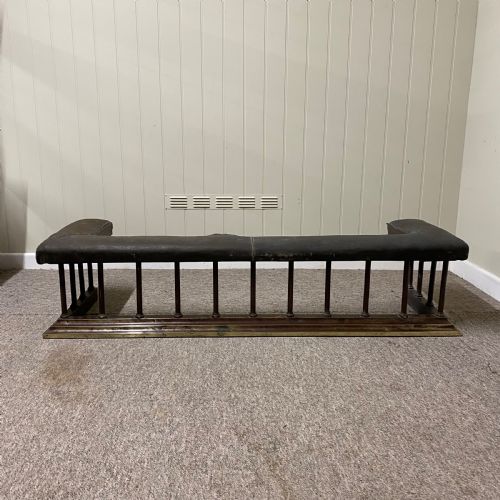
These leather hearth fender pieces offer traditional fireside seating alongside brass and iron frames.
Leather Hearth Fender
A leather hearth fender provides a low, padded seat surrounding the fireplace, combining the utility of a Fender with upholstered comfort. Most examples on this page date from the Victorian and Edwardian periods, stretching into the early twentieth century.
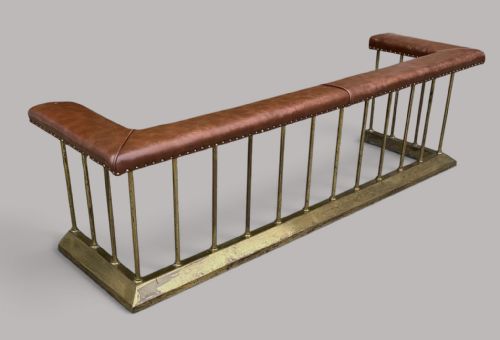
The form typically incorporates a metal frame of brass, wrought iron, or steel, fitted with a leather top. These pieces appear as club fenders and fireside benches designed for domestic interiors.
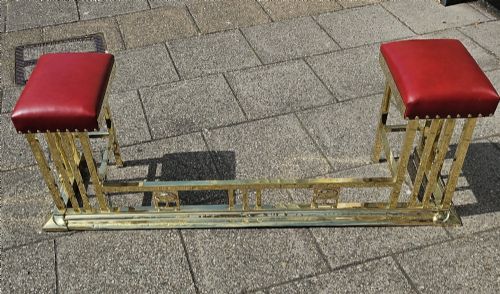
Country house and traditional English styles dominate the selection, offering substantial proportions alongside dainty Art Deco variations. Buyers encounter various forms ranging from nineteenth-century brass structures to later twentieth-century interpretations.
How they were made
Constructors utilised durable metals such as brass, wrought iron, steel, and copper to build the structural frames of each fender. These metal bases often feature heavy iron or polished brass components designed to withstand hearth conditions.
Upholstery completed the piece, with leather stretched over padded seats in tones such as tan and green. Artisans combined metalworking and leather upholstery techniques to create functional fireside furniture.
Leather Hearth Fender Retail Price Guide 2026
Typical asking prices for leather hearth fender among the pieces listed under this phrase on Sellingantiques today, from the lower quarter to the upper quarter. They describe what is for sale here now, not the wider market.
The documented periods range from the nineteenth century through the Victorian era, Edwardian period, and into the nineteen-forties.
What varies in quality
The substance of the metal frame dictates much of the quality, with heavy brass and robust wrought iron offering superior durability compared to lighter constructions. Substantial nineteenth-century examples demonstrate different levels of structural weight.
The maturity and condition of the leather upholstery also influence the character of each piece. Finely upholstered seats on robust steel or brass frames represent the more developed end of the range.
The Leather Hearth Fender Glossary
- Club Fender
- A low fireside seat with a metal frame and a padded leather top, allowing people to sit close to the hearth. This form originated in English country houses.
- Hearth
- The floor area of a fireplace, typically brick, stone, or tile, upon which the fender rests. It frames the fire opening within the room.
- Upholstery
- The materials including padding and leather that form the soft seat of the fender. Traditional methods secure the leather directly to the frame.
Leather Hearth Fender: Frequently Asked Questions
How were leather hearth fenders used?
These pieces served primarily as low fireside seats, allowing inhabitants to sit directly warmth-side of the hearth. They also acted as a physical barrier to keep stray embers away from the room's flooring.
In larger country houses, club fenders provided ample seating space for guests gathered around the open fire during colder months.
What materials make up these fenders?
The structural bases consist of metals including brass, wrought iron, steel, copper, and chrome. Some examples incorporate wooden elements into their overall assembly.
The seating portions utilise leather upholstery stretched over padding, frequently seen in mature tan or green shades.
How do I live with a club fender?
Positioning the fender requires measuring your fireplace hearth to ensure the metal base fits snugly around the surround. Regular care involves treating the leather upholstery with appropriate conditioners to maintain its finish.
Keep the metal components polished according to whether the finish is brass, copper, or iron.
How can I tell Victorian from Edwardian pieces?
Victorian examples often display heavier brass construction and mature tan or castle green leather. They date from the nineteenth century up to nineteen hundred.
Edwardian pieces and later nineteen-twenties or thirties items frequently introduce Art Deco influences, lighter wrought iron, or dainty proportions.