


Leather Faux Book
These leather faux book pieces disguise storage and play within clever bindings, bringing tactile texture and period charm to any room.
Leather Faux Book
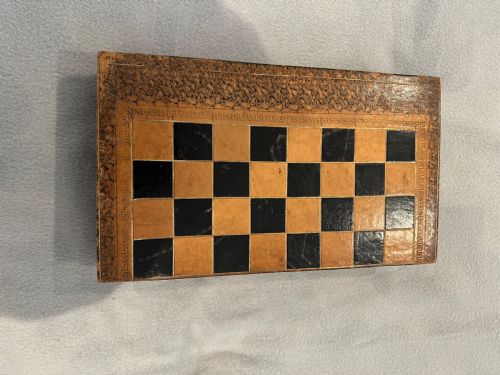
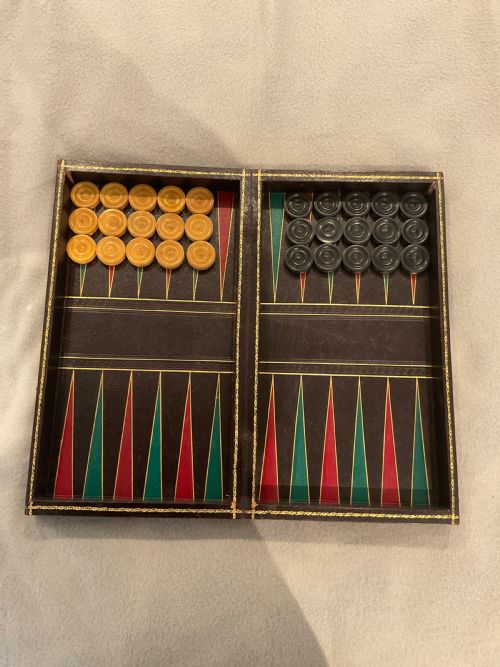
When you search for leather faux book pieces, you encounter functional objects disguised as volumes, primarily games boards, decorative boxes, and desk accessories. The selection on this page relies heavily on Victorian and nineteenth-century examples alongside mid-century interpretations.
You are most likely to meet games boards and document boxes fashioned from leather over rigid structures. These items served both practical daily use and ornamental display in studies and libraries.
The assortment spans diverse forms including caskets, ink stands, and side cabinets incorporating dummy books. Each piece reflects period craftsmanship designed to deceive the eye and organise the desktop or drawing room.
Materials and construction methods
Makers constructed these items using wooden cores, cardboard, or robust frames encased in leather. Artisans applied gold leaf and gilt tooling to simulate spine decorations and page edges.
Surviving pieces frequently incorporate rosewood, brass elements, and fabric linings. The combination of tooling techniques and quality hides defines the physical construction recorded in the listings.
Listings feature Victorian, Regency, and 1950s periods, incorporating materials such as rosewood, brass, and gold leaf.
Judging quality in faux book items
The distinction between standard items and superior examples lies in the crispness of the gold leaf tooling and the suppleness of the leather. Finer pieces display meticulous hand-tooling that accurately mimics historic book spines.
Structural integrity also separates the range, as boxes with robust internal wooden frames and quality brass hardware outlast simpler cardboard constructions. The depth of the gilt work and the fidelity of the book simulation determine the upper tier of quality.
The Leather Faux Book Glossary
- Gilt
- Gold leaf or gold pigment applied to decorate leather surfaces. This technique adds metallic lustre to spine lettering and decorative borders.
- Tooled leather
- Leather impressed with heated metal tools to create patterns and titles. It provides both texture and visual depth.
- Games board
- A folding or box-form board designed for chess, backgammon, or draughts. Many incorporate faux book bindings to disguise their leisure function.
- Blotter
- A desk accessory lined with absorbent paper for writing tasks. Examples often feature decorative leather covers.
- Casket
- A small ornamental box used for storing valuables or documents. These objects frequently utilise clever disguises such as false bindings.
Leather Faux Book: Frequently Asked Questions
What were leather faux books used for?
These items served as discreet storage for documents, correspondence, or valuables while maintaining the appearance of a library shelf. Many also doubled as functional games boards or desk accessories.
Victorian households favoured them to keep studies tidy without breaking the aesthetic of traditional book collections. The clever disguise offered both practicality and visual amusement.
How do I date a leather faux book?
Dating relies on identifying the underlying materials, the style of the tooling, and the period characteristics of the object. Nineteenth-century examples often feature heavy calfskin and intricate gold leaf.
Later twentieth-century versions may show different cardboard construction methods or alternative finishes. Comparing the hardware, such as brass hinges, helps narrow down the decade.
Where should I place a faux book box?
These pieces suit placement on bookshelves, desks, or side cabinets where they can blend seamlessly with actual volumes. They add texture and historical interest to living spaces and studies.
Positioning them within a collection of books enhances the trompe l'oeil effect. They work well as focal points on coffee tables or mantelpieces.
Are faux books fragile?
While built with sturdy wooden or cardboard cores, the leather surfaces and gold leaf require gentle care. Direct sunlight can fade the hide and dull the gilt tooling over time.
Handling them by the body rather than pulling solely by the spine preserves the structural integrity. Regular light dusting keeps the leather conditioned and clean.