


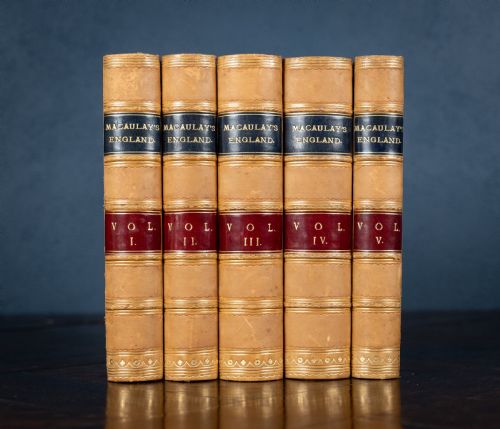


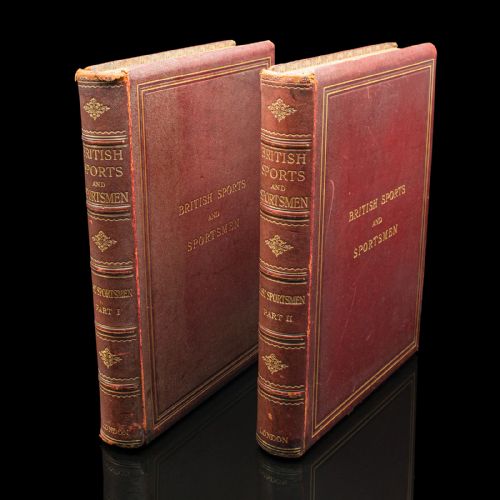


Leather Bound Book Collection
A leather bound book collection brings history, literature and period craftsmanship onto the shelf in matching sets and long runs.
Leather Bound Book Collection
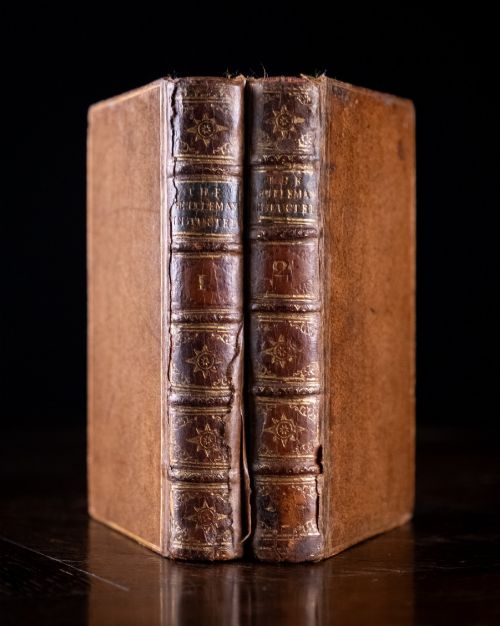
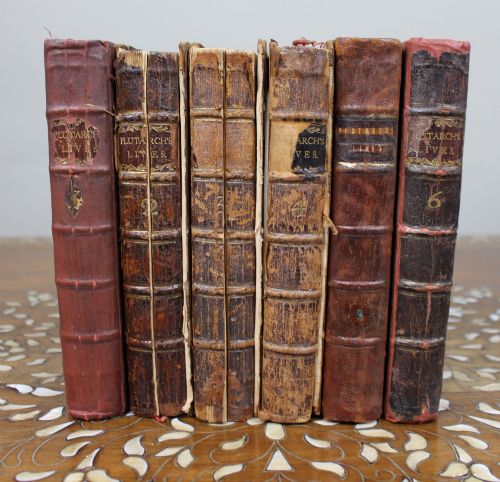
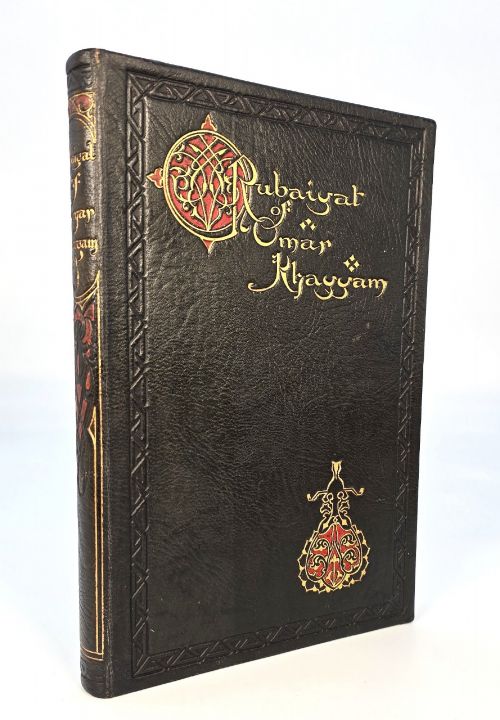
A leather bound book collection gathers multi-volume sets, historical runs and literary works spanning the eighteenth, nineteenth and early twentieth centuries. You will frequently find complete sets of novels, poetry, plays and historical texts produced during the Victorian, Edwardian and Georgian eras.
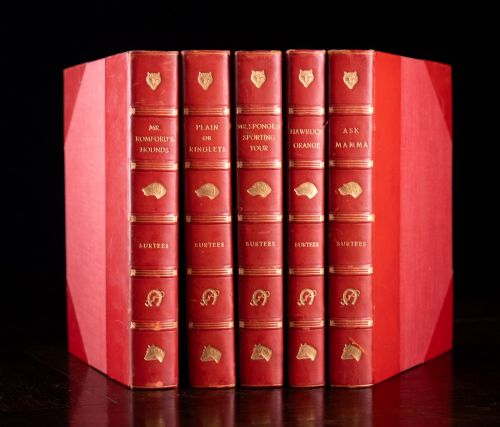
These collections range from single multi-volume sets of authors like Sir Walter Scott and William Shakespeare to thematic groups on sporting subjects, philosophy and English history. Many are bound uniformly to sit together as a decorative and literary unit on the library shelf.
Materials and binding methods
Binders utilised durable natural materials including calf leather, calfskin, vellum and cloth over paper pages. Bindings often incorporated genuine gold leaf and gilt tooling applied to the spines and boards for lettering and decorative motifs.
Sets were frequently bound by established provincial or metropolitan firms, sometimes maintaining uniform styling across several volumes published years apart.
Leather Bound Book Collection Retail Price Guide 2026
Typical asking prices for leather bound book collection among the pieces listed under this phrase on Sellingantiques today, from the lower quarter to the upper quarter. They describe what is for sale here now, not the wider market.
Listings feature works from the eighteenth, nineteenth and early twentieth centuries, bound in leather, vellum, cloth and gold leaf.
Quality and binding execution
Quality rests primarily on the integrity of the original binding, the crispness of the gilt tooling on the spine, and the uniformity of the set as a whole. Sets bound by named workshops or finished in superior calf leather or vellum stand apart from standard trade bindings.
The completeness of a multi-volume run and the matching condition of each individual book heavily influence the coherence and desirability of the group.
Henry Young and Son·J. and R. Tonson·J. Wheble
The Leather Bound Book Collection Glossary
- Vellum
- A fine parchment material prepared from calfskin, frequently used for durable and decorative book bindings.
- Gilt
- A thin layer of gold applied to the edges of pages or tooled into leather bindings.
- Calfskin
- A soft yet durable leather derived from the skin of a calf, commonly utilised for fine nineteenth-century bindings.
- Uniformly bound
- A set of books rebound or published together in matching leather or cloth bindings to create a consistent appearance on the shelf.
- Antiquarian books
- Volumes of a considerable age, generally dating from before the mid-nineteenth century.
Leather Bound Book Collection: Frequently Asked Questions
How do I care for leather bound books?
Keep these volumes away from direct sunlight and excessive humidity to prevent the leather and vellum from drying out or warping over time. Maintain a stable room temperature and handle the spines carefully when removing books from the shelf.
Allow adequate air circulation around your bookshelves rather than packing volumes too tightly. Dust the tops of the text blocks gently with a soft brush while keeping moisture away from the paper and leather.
What periods do these collections cover?
The available collections span several centuries, with particular representation from the eighteenth, nineteenth and early twentieth centuries. You will encounter Georgian, Victorian and Edwardian printing and binding styles.
Dates range from late eighteenth-century sporting magazines and classical texts to nineteenth-century novels and early twentieth-century poetry sets. Each era brings distinct paper stocks, typography and binding techniques.
Can I read these antique books?
These volumes are intended to be read and handled carefully, featuring original paper pages, typography and historical bindings. They offer a direct connection to nineteenth and eighteenth-century publishing.
Because of their age and the delicate nature of leather spines and paper, gentle handling is necessary. Opening books flat on a supported surface helps protect the original sewing and binding structure.