



Lead Glass Tumbler
A lead glass tumbler is a sturdy drinking vessel prized for its heavy weight and bright clarity, offering a satisfying grip and a ringing tone.
Lead Glass Tumbler
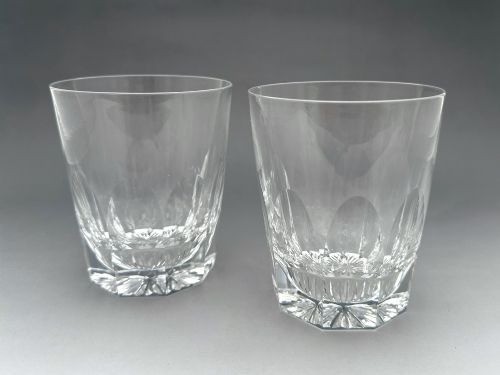
A lead glass tumbler is a heavy drinking vessel designed without a stem or handle, sitting flat on a thick base. The pieces gathered here span several centuries, including Georgian, Victorian, Edwardian, and Art Deco eras.
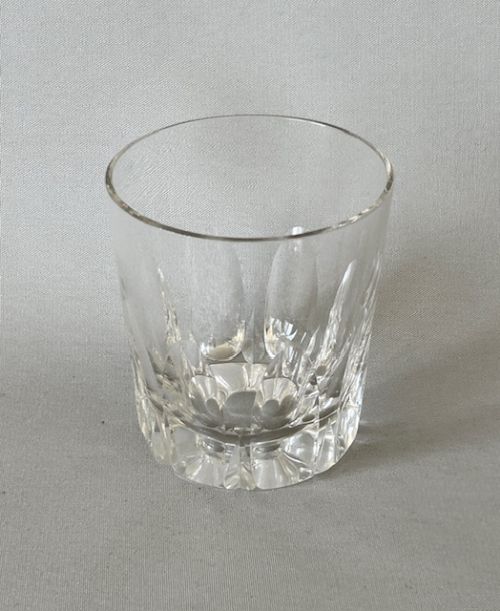
Most examples function as whisky glasses, dram glasses, or general drinking vessels made in England and Bohemia. They appear individually, in pairs, or in larger matched sets suitable for the table.
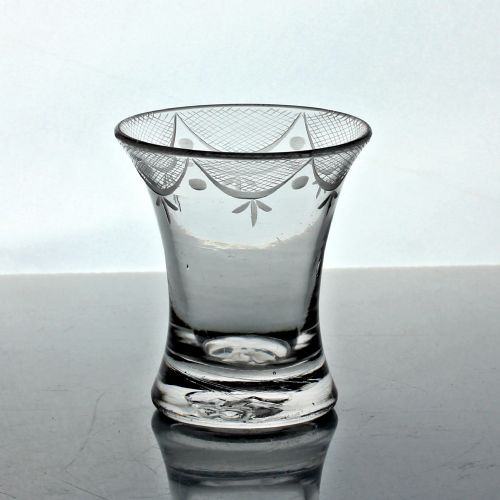
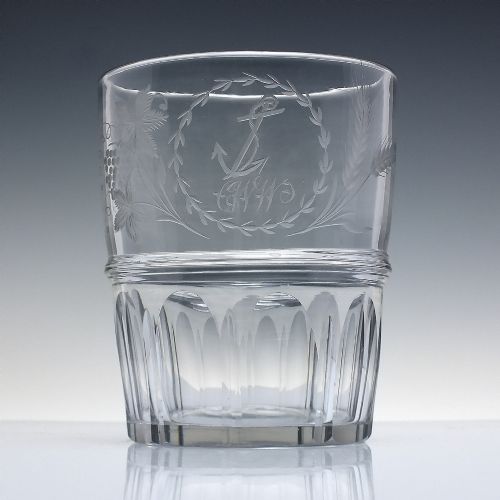
Forms range from small dwarf ale glasses and firing glasses to large flip glasses and heavy cut crystal tumblers. Each piece shows the typical weight and brilliance imparted by lead oxide in the metal.
How they were made
Makers produced these lead glass tumbler pieces using hand-blown glass and heavy crystal containing lead oxide, which increases the density and refractive index. Workmen then shaped the molten metal by hand before cooling.
Decoration relied on skilled wheel-cutting, acid etching, and hand enamelling. Craftsmen cut deep facets, blazes, and swags into the cooled surface or applied fine engraved details.
Lead Glass Tumbler Retail Price Guide 2026
Typical asking prices for lead glass tumbler among the pieces listed under this phrase on Sellingantiques today, from the lower quarter to the upper quarter. They describe what is for sale here now, not the wider market.
Some eighteenth-century firing glasses were built with bases so thick they could double as small paperweights in a pinch.
What varies in quality
The quality of a lead glass tumbler depends on the depth and crispness of the wheel-cut facets and the clarity of the metal itself. Superior pieces show sharp, clean lines in the decoration without blurriness.
Weight distribution also separates ordinary vessels from finer examples, as a properly balanced thick base prevents tipping while maintaining a comfortable handfeel.
The Lead Glass Tumbler Glossary
- Lead glass
- Glass containing metallic oxides that increase weight, brilliance, and resonance. This material allows for deeper and sharper cutting than standard soda-lime glass.
- Firing glass
- A heavy-bottomed drinking glass designed with a thick foot to be slammed onto a table during toasts. These pieces often feature engraved decoration.
- Flip glass
- A large cylindrical drinking vessel with a slightly flared rim, popular during the eighteenth and nineteenth centuries. They frequently held punch or beer.
- Blaze cut
- A style of linear geometric cutting featuring broad, flat facets that reflect light strongly. This technique creates a distinctive shimmering effect on heavy vessels.
- Acid etched
- A decoration technique using acid to eat away exposed surfaces of the glass, leaving delicate frosted patterns. This method became widespread by the late nineteenth century.
Lead Glass Tumbler: Frequently Asked Questions
Can I use these antique tumblers for daily drinks?
These vessels were built for regular use and handle everyday dining well. Hand washing protects the old glass from thermal shock and harsh machine detergents.
Storing them safely prevents rim chipping against modern glassware. Their solid weight makes them practical for serving spirits and water.
How do I identify a Georgian period tumbler?
Georgian pieces often display hand-blown irregularities, pontil marks underneath, and softer lead metal with a warm grey tone. Engraving on them tends to be executed by hand wheel rather than machine.
They feel noticeably heavier at the base relative to their height compared to later Victorian iterations. Subtle tool marks confirm their manual production origins.
What is the difference between lead glass and crystal?
All crystal in historical contexts is simply lead glass possessing a higher refractive index and density. The addition of lead gives the material its characteristic sparkle and heavy feel.
Strict modern definitions require specific lead content percentages, but older pieces follow traditional workshop practices. Both terms describe the same brilliant material seen in these listings.
Why do some tumblers have such thick bases?
A heavy base lowers the centre of gravity, preventing the vessel from tipping over easily during lively toasts or dinners. This extra mass also protects the vulnerable bottom part from wear.
In firing glasses and whisky tumblers, this solid glass foundation is a deliberate structural choice. It contributes significantly to the overall heft and balance in the hand.