





Late Victorian Silver Vanity
Late victorian silver vanity items bring the refined dressing table of the nineteenth century into modern homes with lasting utility.
Late Victorian Silver Vanity
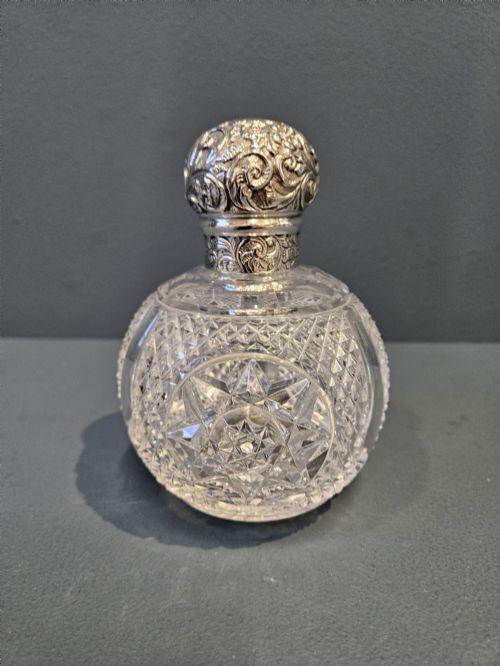
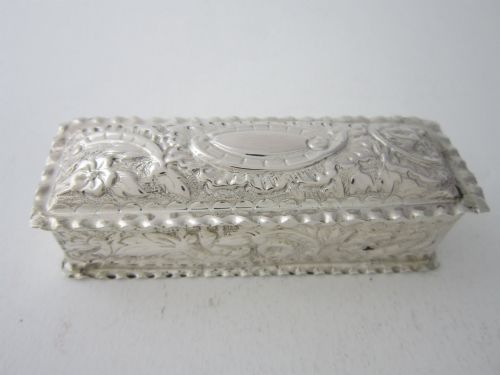
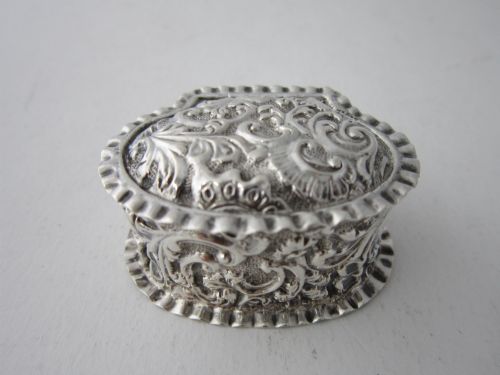
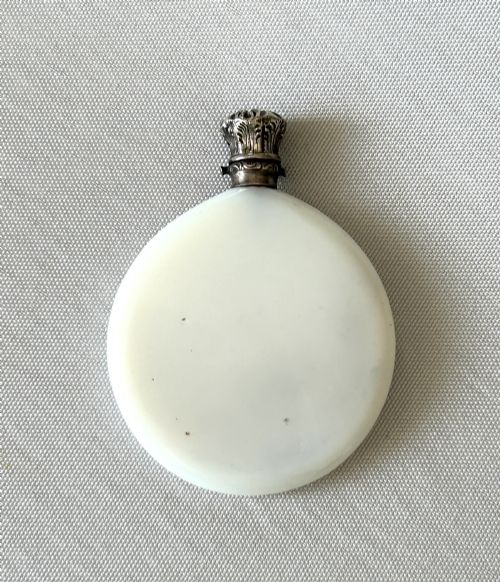
When you search for late victorian silver vanity, you encounter items designed for personal grooming and dressing table display from the final decades of the nineteenth century. These objects span small pill boxes and scent bottles to larger easel mirrors and dressing boxes.
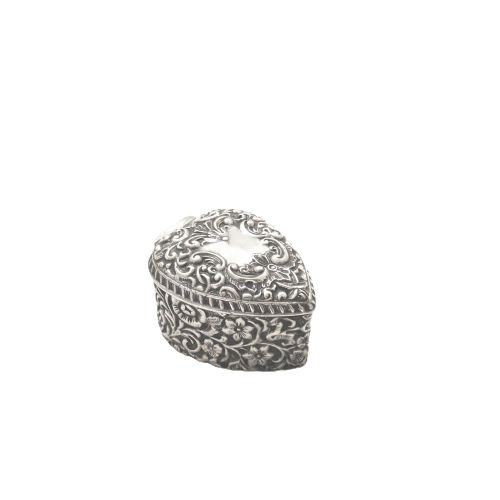
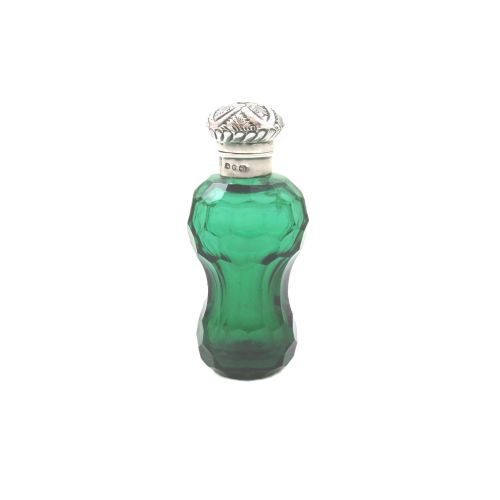
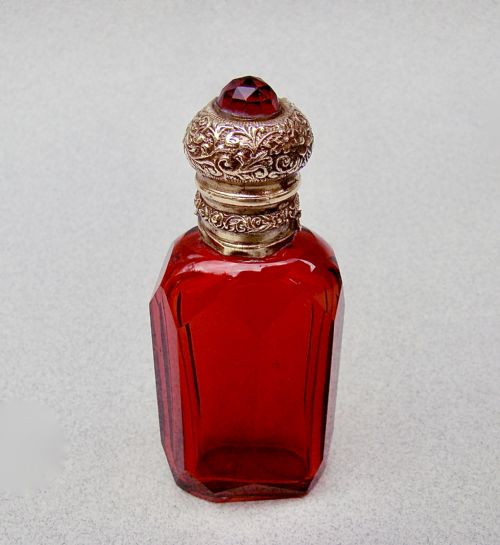
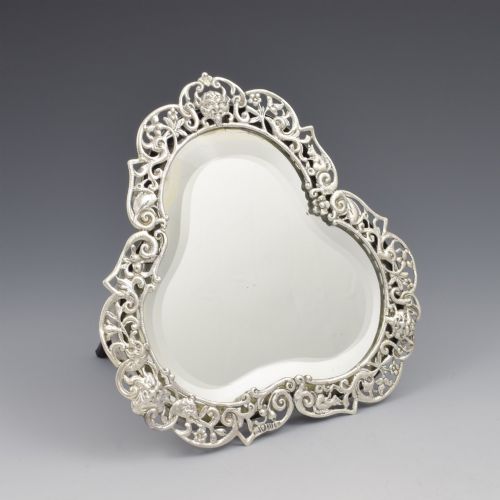
The pieces you meet most frequently on this page include sterling silver trinket boxes and cut glass or opaline glass perfume bottles mounted in silver. Table mirrors and heart-shaped containers also appear regularly from the 1880s and 1890s.
Makers and silversmiths of the period produced both individual dressing table accessories and fully fitted boxes containing glass and silver containers. French Victorian influences occasionally emerge alongside standard English sterling pieces.
What varies in quality
The depth and clarity of pierced silver decoration separate standard utility items from finer dressing table pieces. Elaborate motifs depicting animals, birds, or cherubs demonstrate greater artisanal skill than plain silver mounts.
The integration of materials also defines the standard of a piece, such as the weight of the sterling silver relative to the cut or coloured glass body of a scent bottle. Fitted interiors with multiple matching components indicate higher original commissioning standards.
Late Victorian Silver Vanity Retail Price Guide 2026
Typical asking prices for late victorian silver vanity among the pieces listed under this phrase on Sellingantiques today, from the lower quarter to the upper quarter. They describe what is for sale here now, not the wider market.
Several scent bottles feature hidden internal stoppers beneath their silver caps to ensure no precious perfume escaped during travel.
Henry Matthews
The Late Victorian Silver Vanity Glossary
- Sterling silver
- An alloy containing 92.5 percent silver by mass, which is the standard material used for hallmarks on late nineteenth-century vanity items.
- Opaline glass
- A pale, translucent glass type often used for Victorian scent bottles and decorative dressing table pieces.
- Easel mirror
- A table mirror supported by a hinged prop at the back, allowing it to stand upright on a dressing surface.
- Trinket box
- A small container designed for holding jewellery and small personal accessories, frequently lined with velvet.
- Scent bottle
- A small glass vessel with a silver cap or mount intended for holding perfume on a dressing table.
Late Victorian Silver Vanity: Frequently Asked Questions
What is a late victorian silver vanity piece?
These items comprise dressing table accessories and containers made during the late nineteenth century, incorporating sterling silver alongside glass or wood.
They include scent bottles, trinket boxes, pill boxes, and mirrors designed for personal grooming.
How were scent bottles used?
Scent bottles held liquid perfumes and essential oils on the dressing table for daily personal use.
Their silver screw caps or hinged lids kept the fragrances contained when not in use.
How do I care for silver vanity items?
Silver components require gentle cleaning with a soft cloth to maintain the metal without damaging surrounding glass or velvet linings.
Displaying them away from direct moisture helps preserve both the silver polish and the internal materials.
How can I tell the period?
Pieces from this era often feature specific hallmarks or stylistic traits associated with the 1880s and 1890s.
Design motifs like pierced animal and cherub decoration help align items with late nineteenth-century manufacturing styles.