



Late Victorian Pier Mirror
A late victorian pier mirror brings vertical elegance and deep reflection to a room, hung traditionally between windows or above a matching console table.
Late Victorian Pier Mirror
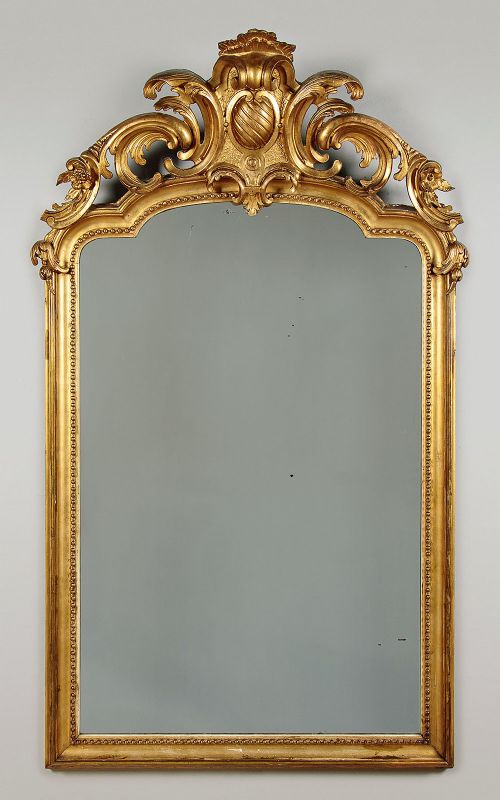
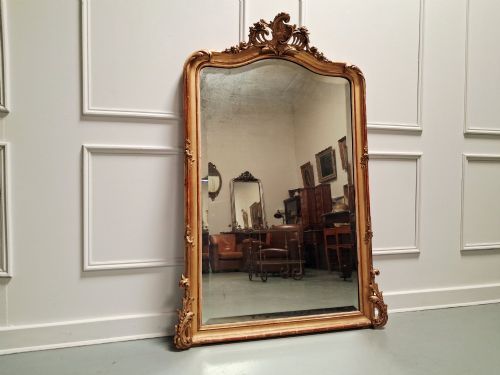
A late victorian pier mirror is a tall wall-hanging glass intended for placement on the narrow wall space between two windows. These pieces originate primarily from the nineteenth century, specifically dating around the eighteen-eighties and eighteen-nineties.
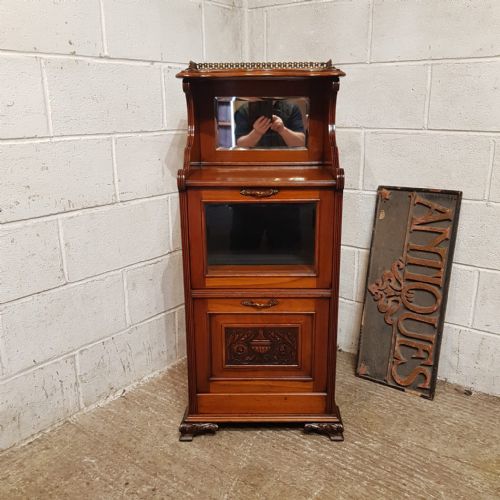
The selections encountered here include tall gilt frame mirrors and arched top designs alongside console tables and side cabinets designed to sit beneath them. Forms span from simple wall mirrors to large floor mirrors and matching console table sets.
Stylistic influences draw heavily from historical revivals, featuring French rococo, neoclassical, and george style details carved into the wooden frames. Such pieces provide substantial vertical presence and functional mirror glass for period interiors.
Materials and Construction Techniques
Frames are constructed from solid timbers including mahogany, walnut, ebonised wood, and yew wood, providing a sturdy structural foundation. Carved ornamentation is applied using composition and gesso moulded over the timber core.
Giltwood and silver gilt finishes are achieved by applying thin metal leaf over prepared grounds, creating a luminous surface that catches the light. Mirror glass is fitted into the heavy frames to create tall reflective panels, sometimes paired with marble tops on accompanying console tables.
Late Victorian Pier Mirror Retail Price Guide 2026
Typical asking prices for late victorian pier mirror among the pieces listed under this phrase on Sellingantiques today, from the lower quarter to the upper quarter. They describe what is for sale here now, not the wider market.
Listings feature nineteenth-century items utilising giltwood, mahogany, walnut, and ebonised wood across wall mirror and console table forms.
Assessing Craftsmanship and Detail
Quality separates through the depth and crispness of the hand-carved ornamentation upon the gesso and giltwood frames. Superior examples display intricate detailing in the rococo and neoclassical revival motifs without the softness seen in simpler moulded compositions.
The choice of primary wood and the integrity of the original gilding or ebonised finish dictate the grade of the piece. Matching sets of console tables and mirrors represent the higher end of the range, maintaining unified design and material quality across both items.
The Late Victorian Pier Mirror Glossary
- Pier glass
- A tall mirror designed specifically for the wall space between windows. It often reflects additional light into darker Victorian reception rooms.
- Giltwood
- Timber that has been coated with gold leaf or a gold-coloured metallic finish. This technique gives frames a bright and decorative appearance.
- Gesso
- A plaster-based mixture applied to wood frames and carved into detailed ornamentation before gilding. It allows for intricate relief work.
- Ebonised wood
- Timber treated with a stain or finish to imitate ebony. This dark, polished surface was popular for dramatic contrast.
- Console table
- A table designed to stand flat against a wall, frequently paired directly beneath a pier mirror. Marble tops often complete these surfaces.
Late Victorian Pier Mirror: Frequently Asked Questions
Where should I hang a pier mirror?
These mirrors suit narrow wall spaces between tall windows, allowing them to bounce natural light deep into a room.
Alternatively, pairing them with a matching console table creates a balanced focal point in a hallway or reception room.
How do I care for antique mirror glass?
Dust the giltwood frame gently with a soft dry brush to protect the delicate composition and metallic leaf surface.
Clean the mirror glass sparingly using a soft cloth and mild solution, avoiding moisture contact with the wooden frame edges.
What styles influence late victorian mirrors?
Designers drew heavily on historical revivals, incorporating French rococo curves and classical architectural proportions.
This eclectic mixing of past periods defines the late nineteenth-century aesthetic found across these wall mirrors and console sets.
Are these mirrors usually sold with tables?
While many survive as single wall mirrors, some examples retain their original console tables or side cabinets.
Matching sets combine carved timber frames with integrated furniture pieces designed to function together in grand interiors.