





Late 19th Century Oil
These late 19th century oil paintings and lamps capture the diverse artistic output and domestic lighting solutions of the period.
Late 19th Century Oil
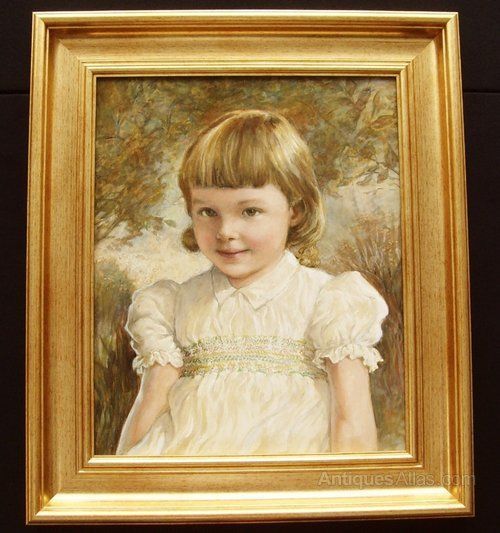
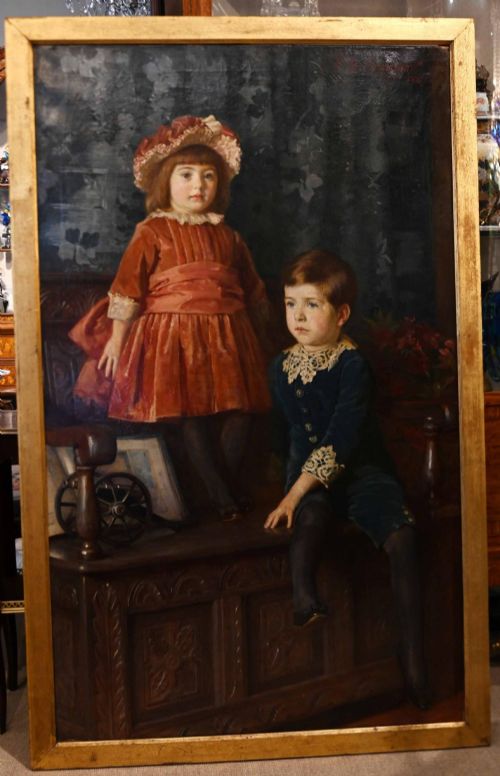
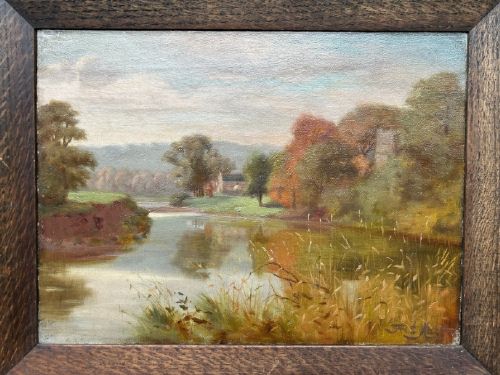
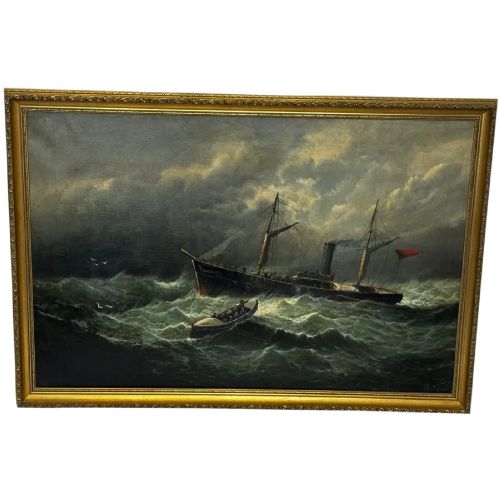
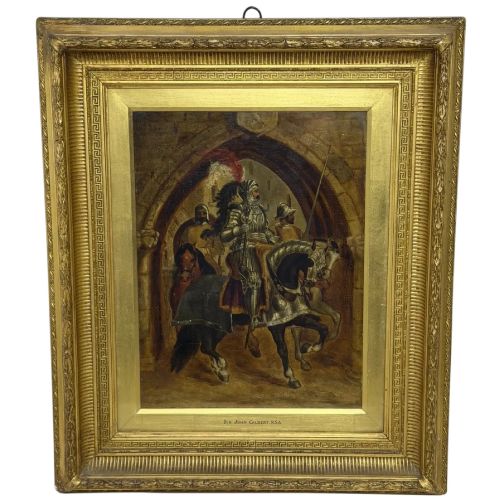
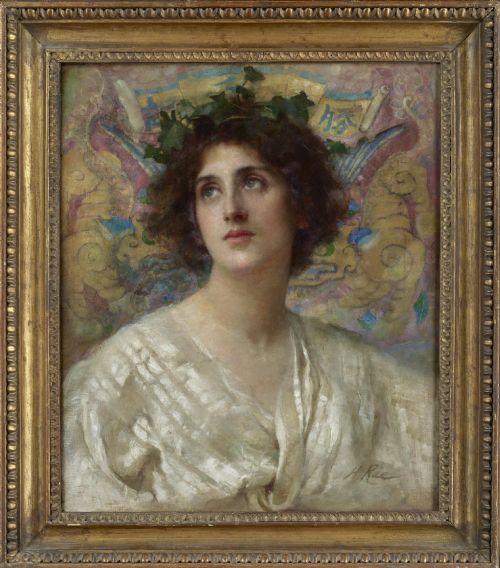
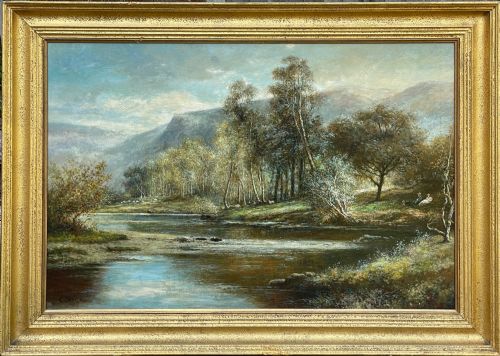
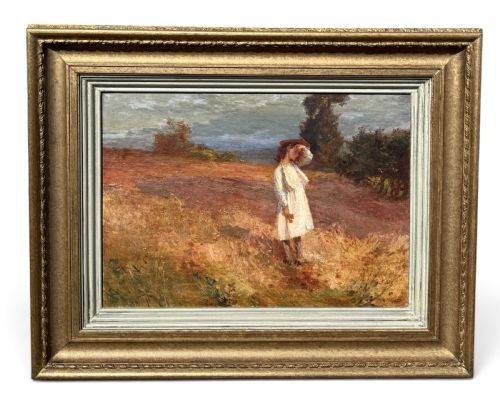
The paintings reflect varied regional schools from Britain, France, Italy, and Germany, ranging from impressionistic pastoral views to naive folk art. Artists of the period explored naturalism, maritime rescue scenes, and floral still lifes with varying degrees of academic training. The lighting pieces complement this aesthetic diversity, featuring Japanese cloisonne, porcelain elements, and coloured cranberry glass fonts mounted on metal stands.
How They Were Made
The paintings in this selection rely on oil paint applied to prepared supports such as stretched canvas, wood panels, mahogany boards, and occasionally heavy card. Artists built up textures using brushwork and layering, frequently finishing the works within decorative giltwood frames. Canvas pieces were often laid onto board over time for structural reinforcement.
The oil lamps combine metalworking techniques with decorative arts, utilising cast brass and copper for the structural standards and reservoirs. Coloured glass components, including cranberry and blue glass, were blown or moulded, while ceramic elements featured hand-painted porcelain sections. Metal burners attached to these fonts controlled the wick and flame during daily domestic use.
Late 19th Century Oil Retail Price Guide 2026
Typical asking prices for late 19th century oil among the pieces listed under this phrase on Sellingantiques today, from the lower quarter to the upper quarter. They describe what is for sale here now, not the wider market.
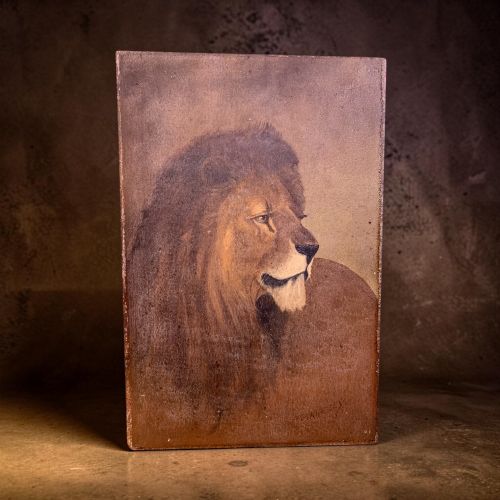
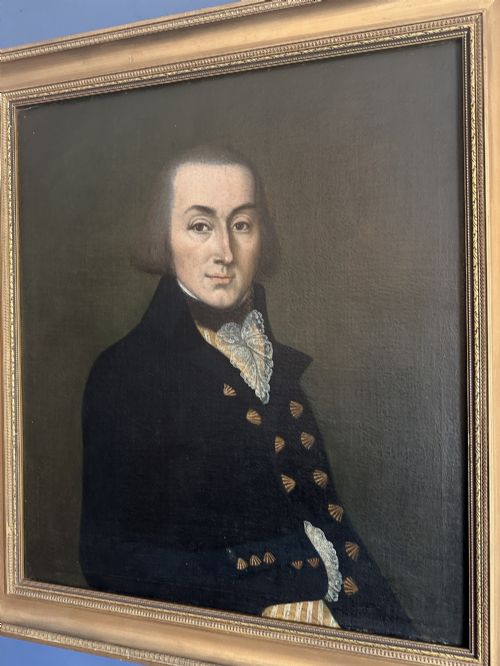
A stoic portrait of a lion sits comfortably among the gentlemen, horses, and floral still lifes.
What Varies In Quality
Quality in the paintings rests upon the confidence of the brushwork, the handling of light, and the anatomical or spatial accuracy within the composition. Works by formally exhibited artists or established continental schools demonstrate superior draftsmanship compared to naive or amateur student pieces. The preservation of the original paint surface and the condition of the supporting canvas or panel also influence the standing of an artwork.
For the lamps, quality is determined by the weight and casting crispness of the brass or copper components, as well as the integrity of the coloured glass fonts. Examples featuring combined materials, such as porcelain and gilt brass, or those bearing maker marks from recognised international manufacturers, represent the higher tier of domestic lighting.
Frederick Marriott·John Rose Miles·Thomas W Lascelles·Henrietta Rae·William Manners·Wild And Wessel
The Late 19th Century Oil Glossary
- Canvas
- A heavy woven fabric stretched across a wooden frame to serve as a foundation for oil painting. It provides a flexible yet durable surface that artists prime before applying pigment.
- Oil Paint
- A slow-drying paint made by mixing pigments with a drying oil, typically linseed oil. This medium allows painters to blend colours smoothly and build rich textures.
- Giltwood
- Wood that has been carved and coated with a thin layer of gold leaf or gilt powder. It is commonly found on the decorative frames enclosing period paintings.
- Cloisonne
- An ancient technique for decorating metalwork objects with coloured glass pasted in compartments defined by metal wires. It appears on decorative lamp bodies from this era.
- Panel
- A flat piece of wood, such as mahogany or oak, used as a rigid support for painting instead of fabric canvas. Panel paintings resist the sagging common in older stretched fabrics.
Late 19th Century Oil: Frequently Asked Questions
How do I identify a late 19th century canvas?
Examine the reverse of the stretcher frames and the weave of the fabric. Older canvases often show oxidised linen or cotton with hand-beveled wooden keys in the frame corners.
Signatures, artist stamps, and remnants of old gallery labels attached to the wood provide additional provenance clues regarding the date of creation.
Were these oil lamps converted to electricity?
Many surviving lamps retain their original brass burners and oil reservoirs intact without modern electrical wiring. Collectors often preserve them in their original mechanical state as decorative decorative objects.
Some examples have received professional conversions to electrical use while retaining the antique base, glass font, and metal components.
What subjects are common in these paintings?
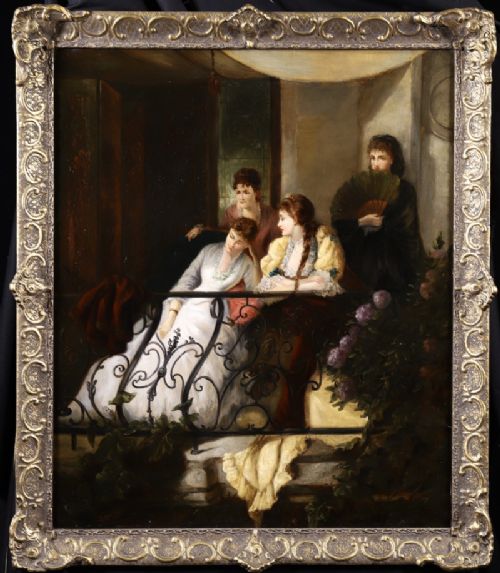
Landscapes, coastal views with shipping vessels, and pastoral scenes dominate the rural works from this timeframe. Domestic interiors, portraits of gentlemen and ladies, and still lifes with flowers also appear frequently.
Regional British and European countryside views reflect the nineteenth-century interest in naturalism and plein-air observation.
How should I clean an antique oil painting?
Surface dust should be removed gently with a soft, dry brush by someone with appropriate handling experience. Avoid using water, household cleaners, or solvents on the paint layer.
Professional conservators should handle any removal of darkened varnish or deeper grime to prevent permanent damage to the underlying pigments.