



Late 19th Century Buffet
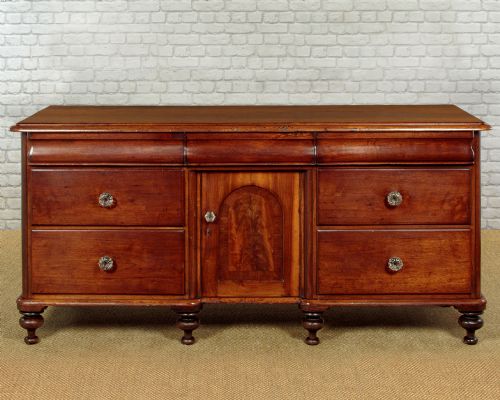
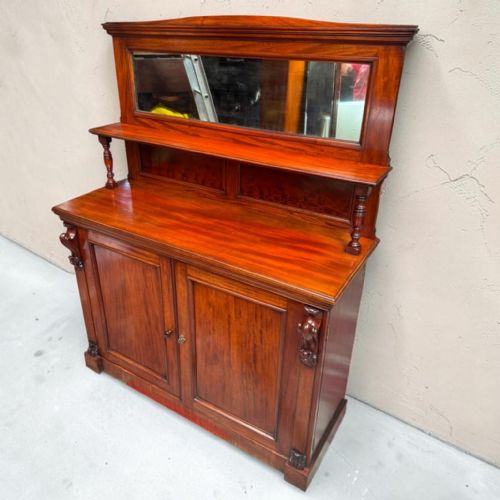
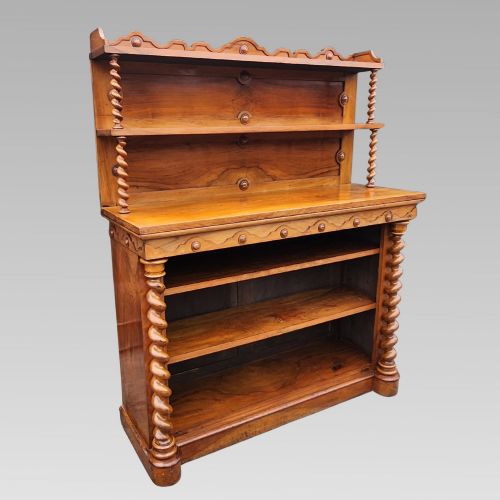
A late 19th century buffet brings heavy timber storage and display to a dining room, offering substantial surface space and cupboards built to last.
Late 19th Century Buffet
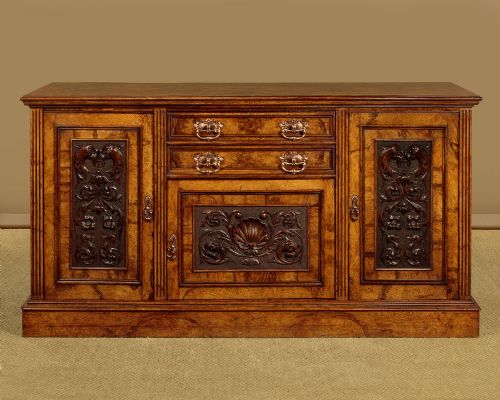
A late 19th century buffet typically encompasses large dining room furniture designed for serving food and storing tableware, appearing frequently as sideboards, dresser bases, and serving tables. These pieces emerge from the Victorian era and adjacent periods, drawing on styles such as Gothic Revival, French Provincial, Arts and Crafts, and Georgian Revival.
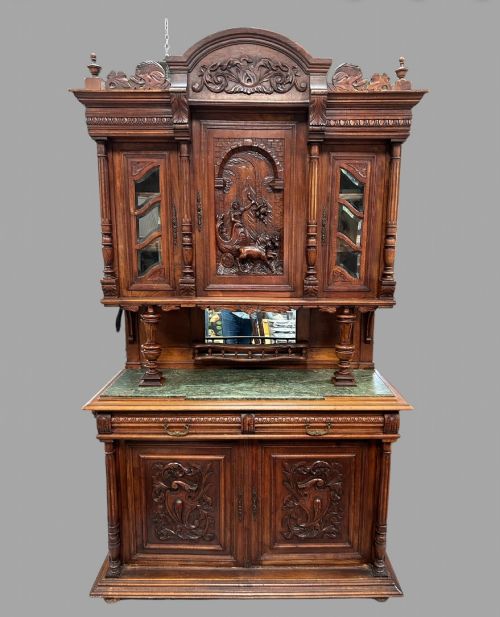
Buyers exploring this selection encounter diverse formats, from walnut and mahogany mirror-back sideboards to oak dresser bases equipped with pot shelves. Alongside standard British and European cabinetmaking, the inventory includes regional variations like scumble painted pine kitchen dressers and Chinese small sideboards.
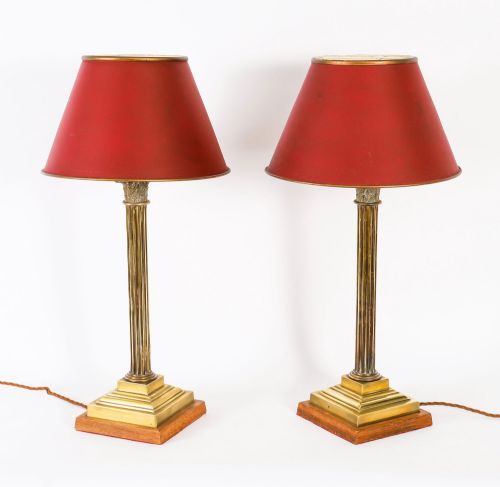
The primary forms serve practical dining functions while reflecting the heavy timber construction favoured by makers of the late 19th century. Walnut, oak, and mahogany dominate the offerings, occasionally complemented by smaller decorative items associated with the period, such as brass Corinthian column table lamps.
Materials and Construction
Makers relied heavily on solid hardwoods like walnut, oak, and mahogany to build the structural frames and facades of these buffets. Pine also appears, often treated with scumble paint to imitate more costly timbers or finished plainly for domestic kitchen use.
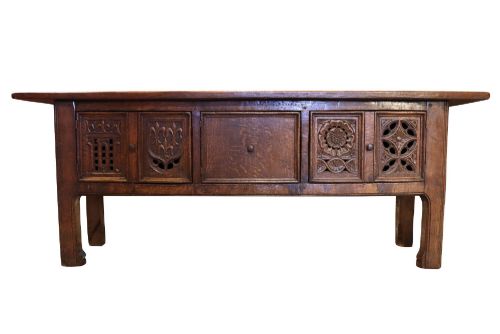
Construction techniques involve traditional joinery to support large surfaces, deep drawers, and heavy doors. Decorative elements range from carved oak details in the Gothic Revival style to mirror backs and pollard oak veneers.
Glass panels feature in associated pieces like bookcase tops, while brass hardware provides functional handles and key escutcheons. Occasional pieces incorporate specialist finishes, such as painted surfaces on provincial furniture.
Late 19th Century Buffet Retail Price Guide 2026
Typical asking prices for late 19th century buffet among the pieces listed under this phrase on Sellingantiques today, from the lower quarter to the upper quarter. They describe what is for sale here now, not the wider market.
Materials represented across these pieces range from native oak and pine to exotic mahogany and pollard oak veneers.
Assessing Quality and Execution
Quality in a late 19th century buffet rests on the selection of timber and the precision of the cabinetwork. Fine examples feature figured woods like pollard oak or carefully matched mahogany, whereas simpler items utilise plain pine or utilitarian oak.
The ambition of the design dictates the level of craftsmanship, separating standard production sideboards from elaborate pieces carved in the Gothic Revival or Aesthetic Movement styles. Carved details, integrated mirror backs, and substantial proportions denote higher-tier workshops.
Condition and originality further divide the range, distinguishing untouched period surfaces and original hardware from heavily restored or altered carcases.
A.W.N Pugin
The Late 19th Century Buffet Glossary
- Dresser base
- A low wooden storage unit featuring drawers and cupboards beneath a flat top, often built without an upper plate rack.
- Gothic Revival
- A nineteenth-century design style that revives medieval architectural motifs, featuring pointed arches, heavy mouldings, and deep relief carving.
- Pollard oak
- Timber taken from trees that have been pollarded, producing a gnarled grain pattern with dense knot clusters prized for decorative veneer.
- Scumble paint
- A translucent paint technique applied over a base coat to simulate the grain and texture of more expensive woods.
Late 19th Century Buffet: Frequently Asked Questions
What is a buffet?
A buffet is a large dining room sideboard used for serving food and storing china, cutlery, and linens. These pieces provide a wide surface top alongside deep cupboards and drawers.
In late 19th century homes, they anchored the dining room both practically and aesthetically. They served as the central station for meal preparation and display during large gatherings.
How do I clean wooden sideboards?
Maintenance requires gentle dusting with a soft cloth and occasional treatment with appropriate beeswax to nourish the timber. Avoid harsh modern chemical cleaners that strip the historic finish.
Keeping the furniture away from direct sunlight and excessive heat sources prevents the wood from warping and protects the original polish.
Where were these pieces used?
These sideboards and dressers were built primarily for the dining rooms and kitchens of Victorian homes. They housed heavy porcelain, silver, and table linen.
Provincial and kitchen variants found utility in sculleries and large farmhouses, functioning as work surfaces as well as storage units.