




Large Woven Tapestry
A large woven tapestry brings centuries of textile artistry indoors, offering deep landscapes, pastoral scenes and grand mythological narratives for the wall.
Large Woven Tapestry
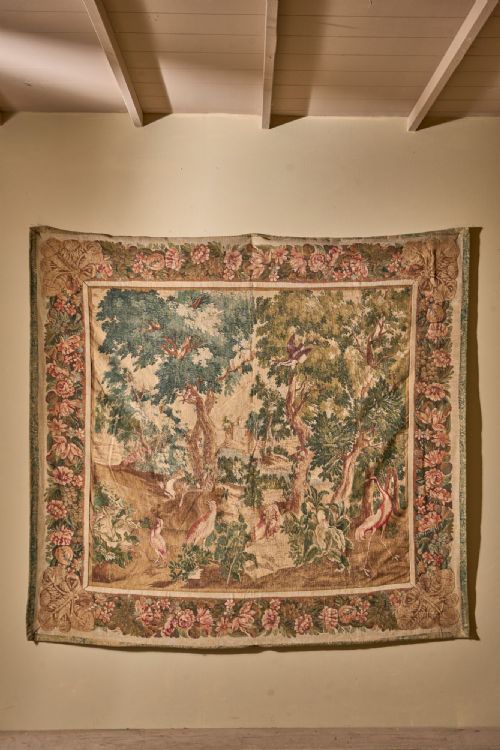
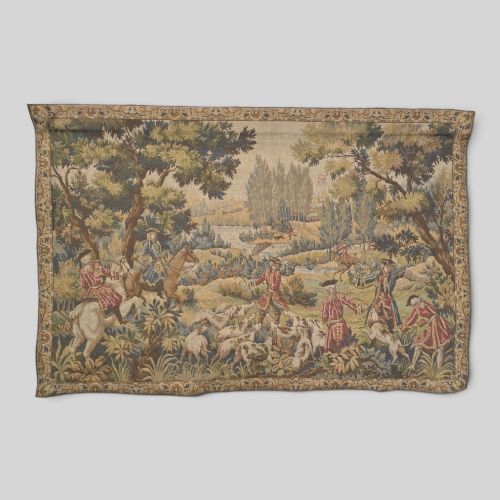
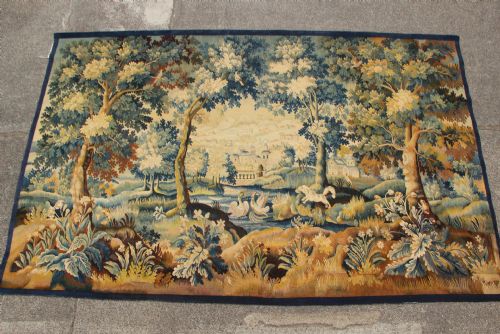
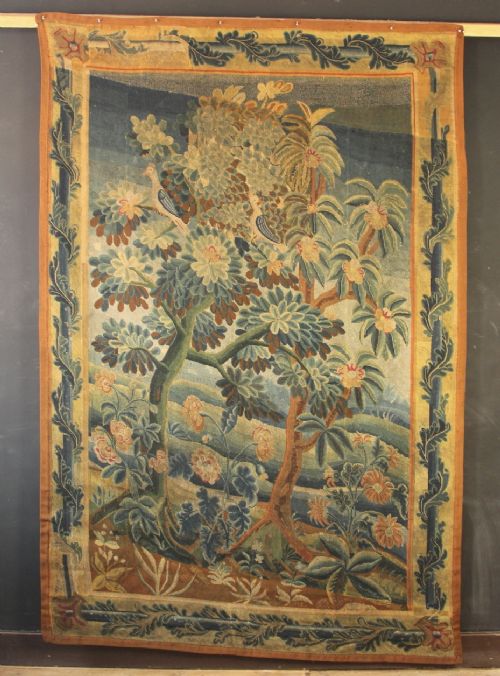
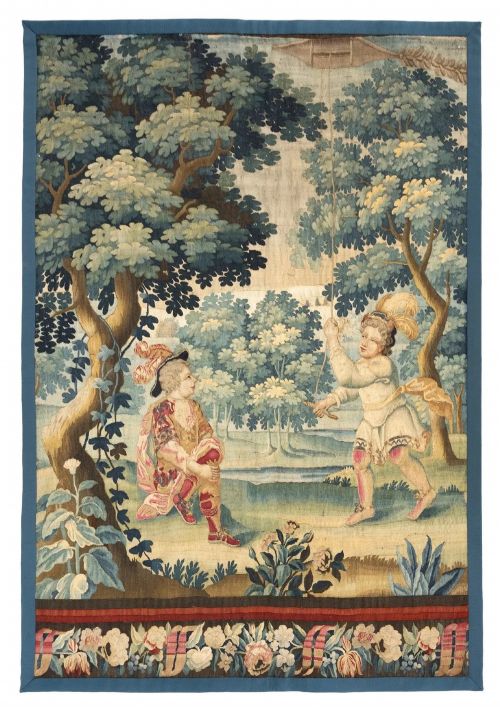
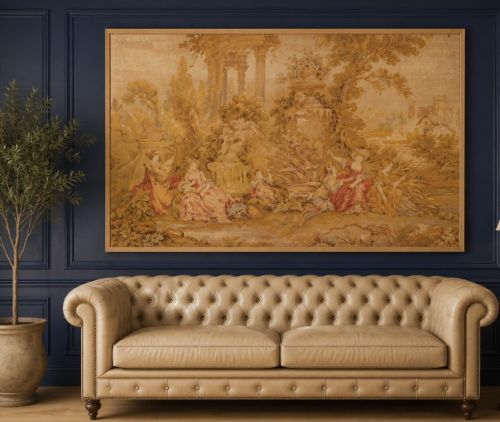
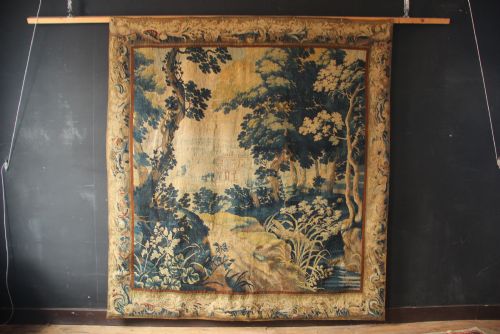
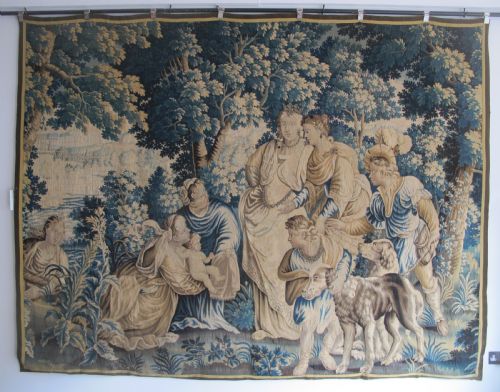
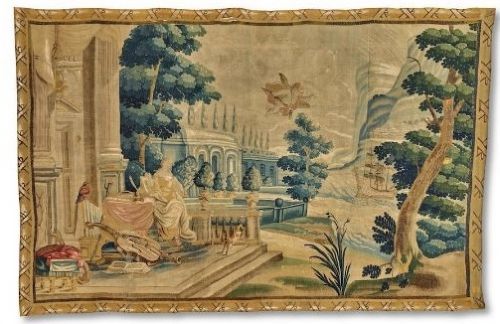
When you search for large woven tapestry, you encounter heavy wall hangings and panels originating primarily from French and Flemish workshops. These textiles span from the sixteenth century through the nineteenth century, encompassing verdure landscapes, pastoral compositions and biblical themes.
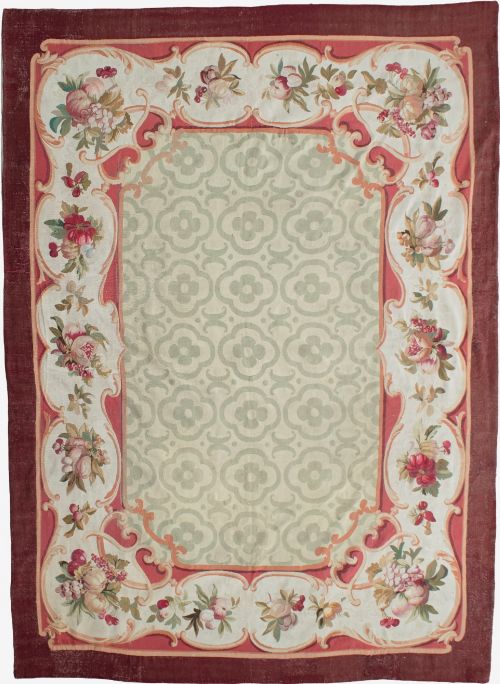
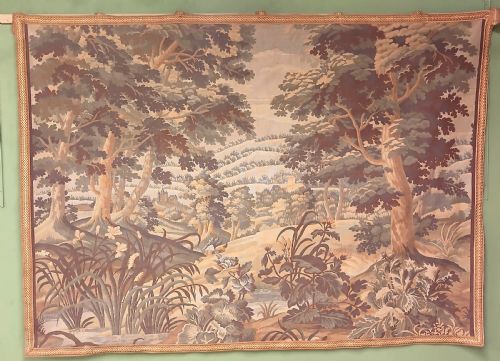
The most common examples on this page are French and Flemish verdure pieces from the seventeenth and eighteenth centuries, alongside nineteenth-century Aubusson productions. Buyers also find framed textile panels, needlework wall art and occasional ikat or kilim flatweaves.
Scale defines this category, with grand pieces measuring several metres across designed to insulate stone walls and visually enrich large reception rooms. Many retain their original proportions, while others appear mounted on timber frames or boards for modern display.
Judging quality in historic textiles
Quality rests upon the density of the weave, the complexity of the colour palette and the fidelity of the pictorial design. Finer historic examples show subtle tonal gradations in foliage and facial expressions that simpler wall coverings lack.
The integrity of the fibres and the stability of the textile structure dictate the preservation state. Tapestries retaining their original borders and strong vegetal dyes sit at the higher end of the range compared to heavily restored fragments.
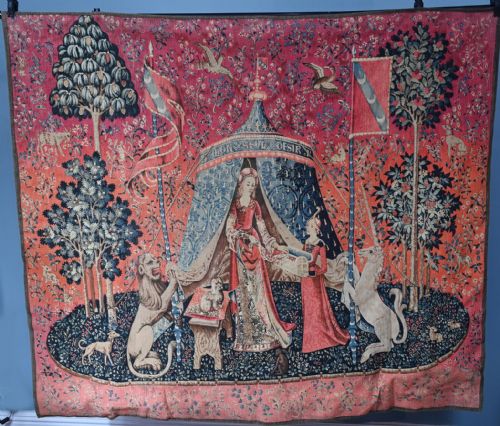
Occasionally a unicorn wanders past medieval foliage on these walls, keeping quiet company with sixteenth-century trees.
The Large Woven Tapestry Glossary
- Verdure
- A tapestry style dominated by lush foliage, trees, plants and often small animals or distant architecture. These woodland scenes formed a major output of Flemish and French weaving centres.
- Aubusson
- A town in France renowned for producing woven carpets and wall tapestries since the sixteenth century. Aubusson pieces typically feature floral motifs, pastoral landscapes or architectural elements.
- Warp
- The vertical or longitudinal threads held under tension on a loom before the colourful weft threads are passed through. It forms the structural skeleton of the textile.
- Weft
- The horizontal threads woven back and forth across the warp to create the visible pattern and picture. In tapestry weaving, individual weft areas are packed tightly to hide the warp entirely.
- Cartoon
- The full-scale preparatory drawing or painting created by an artist to guide the weaver at the loom. These detailed templates dictated the composition and colour scheme of the final textile.
Large Woven Tapestry: Frequently Asked Questions
How do I hang a large woven tapestry?
Heavy wall hangings require even weight distribution across a sturdy wooden batten or metal rod. Professional installers often sew a matching fabric sleeve along the reverse top edge to slide the hanging bar through, preventing direct strain on the ancient fibres.
Smaller framed panels can use traditional mirror brackets secured to solid wall studs. Avoid hanging historic textiles in direct sunlight or damp spaces to preserve the integrity of the wool and silk yarns.
What is the difference between Flemish and French tapestries?
Flemish workshops, particularly from the sixteenth and seventeenth centuries, often specialised in dense verdure landscapes and grand mythological narratives with deep, saturated earth tones. These pieces tend to display heavy architectural borders and robust wool construction.
French productions, notably from Aubusson, frequently embrace lighter pastel palettes, pastoral scenes and delicate floral arrangements influenced by later decorative tastes. Both traditions represent the pinnacle of European textile arts, though their visual weight differs significantly in an interior.
Can these textiles be used as floor coverings?
While certain flat-woven pieces like Aubusson carpets or kilims are built for foot traffic, wall tapestries possess a delicate weave structure unsuited to walking upon. Wall hangings lack the dense pile or heavy backing required to withstand friction from shoes and furniture.
Using a wall tapestry on the floor will rapidly accelerate wear and tear on the wool and silk threads. Keep wall art mounted vertically and reserve designated rugs for the floor.