




Large Wool Tapestry
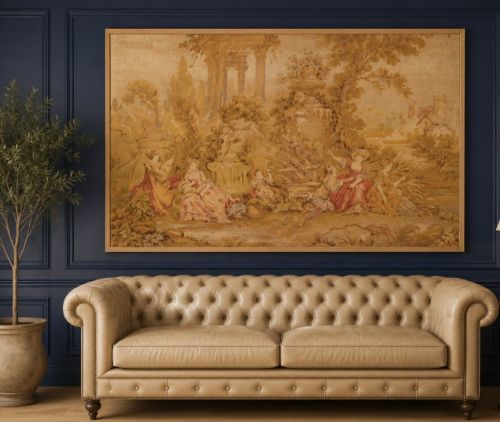
A large wool tapestry brings centuries of woven narrative, pastoral foliage and grand scale into a room.
Large Wool Tapestry
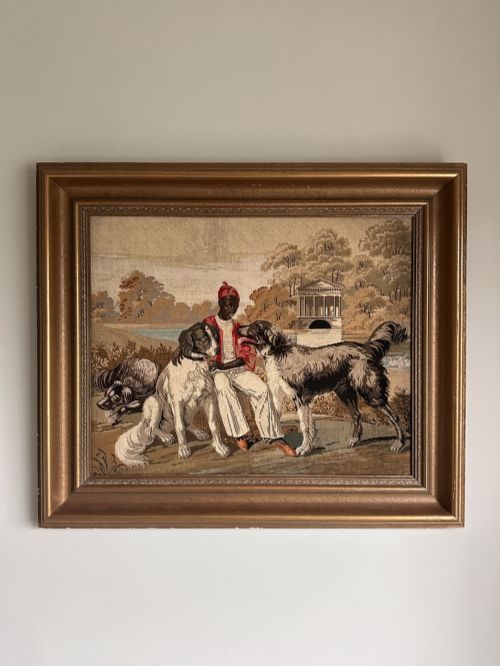
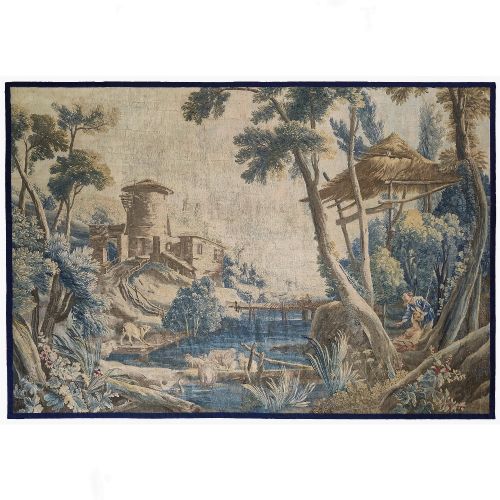
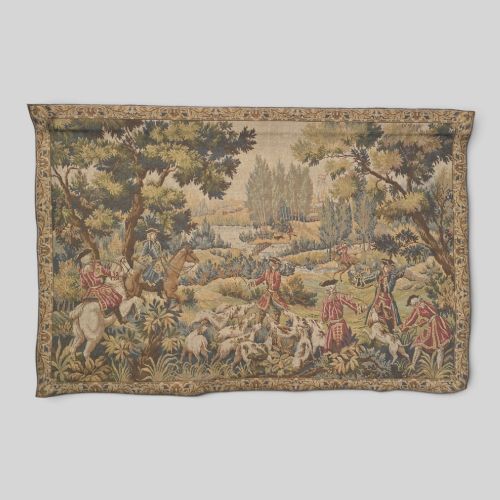
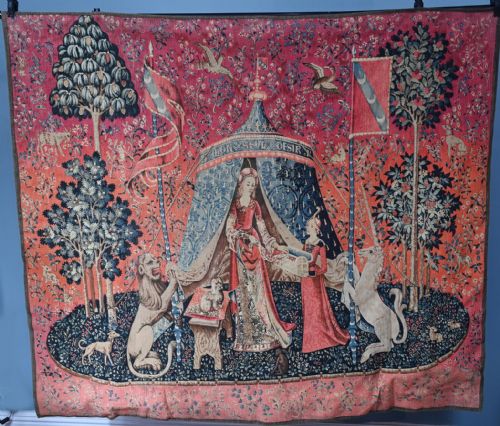
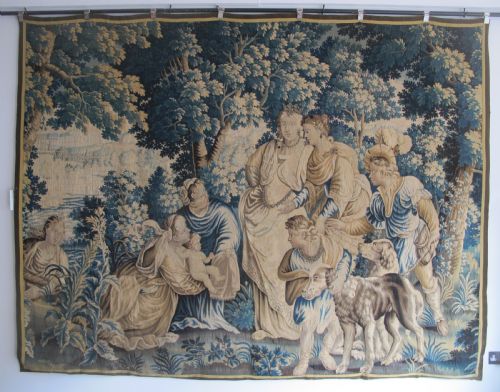
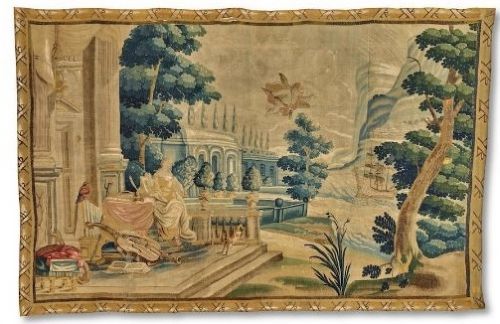
When searching for a large wool tapestry, you encounter wall hangings, framed panels, needlework pictures and carpets spanning from the sixteenth century to the mid-twentieth century. The selection ranges from Flemish verdure scenes and biblical Aubusson compositions to nineteenth-century Berlin wool work and early twentieth-century French textiles.
You meet pieces originating from various European traditions, including French, Flemish and English workshops. Forms vary from monumental wall art and pastoral landscapes to crewelwork embroidered panels and woven wall coverings.
How they were made
These textiles utilise natural fibres, primarily wool combined with cotton, silk, linen and occasionally metal thread, worked on canvas or woven directly on looms. Crewelwork and Berlin wool work employ specialised needlepoint techniques using wool yarn to build dense pictorial surfaces.
Framed examples integrate wood and glass to protect the textile, while wall hangings rely on the structural integrity of the weave or backing linen to support large proportions.
Large Wool Tapestry Retail Price Guide 2026
Typical asking prices for large wool tapestry among the pieces listed under this phrase on Sellingantiques today, from the lower quarter to the upper quarter. They describe what is for sale here now, not the wider market.
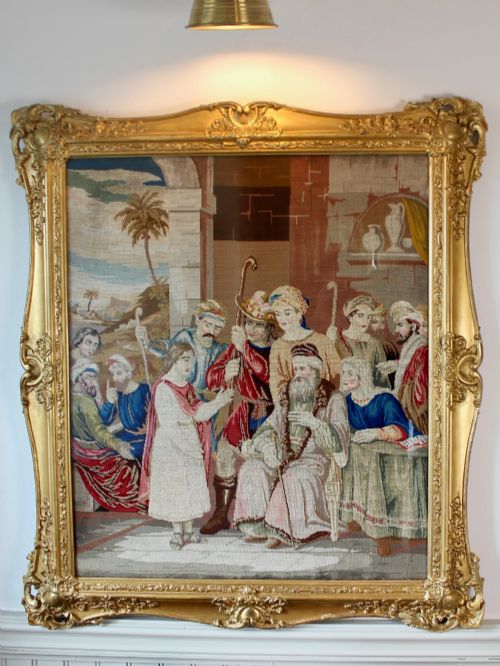
Pharaoh's dream hangs quietly in wool, proving that historic interior design occasionally requires an embroidered Egyptian monarch.
What varies in quality
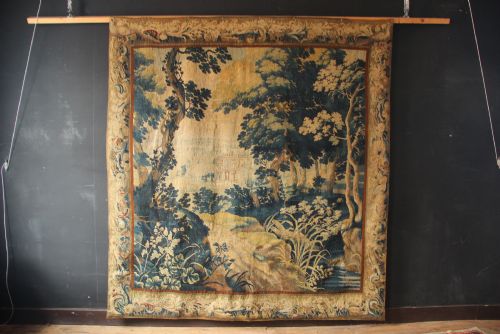
Quality rests in the complexity of the design, the fineness of the weave or needlework and the depth of the pictorial palette. Verdure scenes with intricate foliage display varying degrees of botanical detail and tonal nuance across the woven surface.
The sophistication of the figural drawing, the preservation of the original fibres and the scale of the composition distinguish standard decorative pieces from finer historic examples.
The Large Wool Tapestry Glossary
- Verdure tapestry
- A woven wall hanging dominated by landscape and foliage motifs, often featuring trees, plants and birds. These pieces frequently date from the seventeenth and eighteenth centuries.
- Aubusson
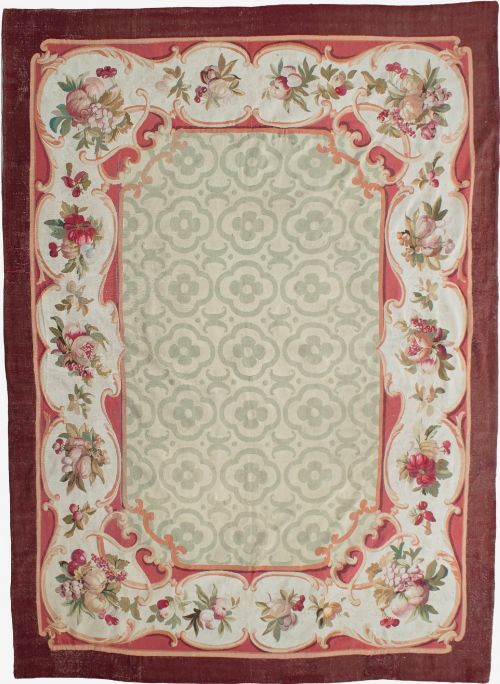
- A style of carpet and tapestry produced in the town of Aubusson in France, known for pastoral and floral designs. They use flat-weave techniques without a pile.
- Berlin wool work
- A type of needlepoint embroidery popular in the nineteenth century, worked in wool on canvas from charted patterns. These pictures often depict narrative or biblical scenes.
- Crewelwork
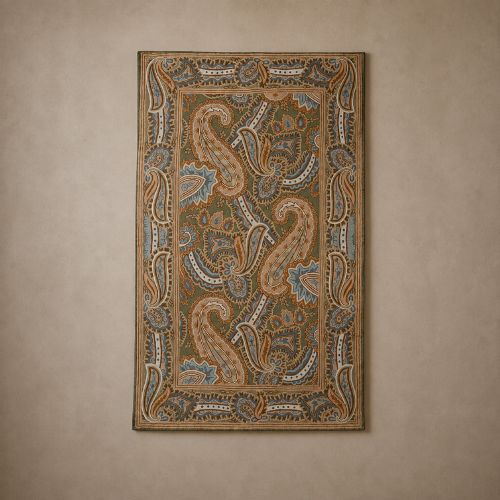
- Embroidery executed with wool yarn on a linen or cotton ground, creating textured wall hangings and textiles. This technique allows for flowing floral and pastoral designs.
Large Wool Tapestry: Frequently Asked Questions
How do I hang a heavy textile?
Large woven panels require weight-distributing hanging systems, such as concealed wooden battens or specialised clips that secure the textile along the entire upper edge without damaging the fibres.
Heavier framed pieces need secure wall anchors capable of supporting the combined weight of the wood, glass and textile.
How do I date a woven panel?
Dating relies on stylistic clues, materials, weave density and the subject matter depicted. Seventeenth-century Flemish pieces often show dense foliage and mythological themes, while nineteenth-century works display Berlin wool work or Aubusson revival styles.
Framing and backing materials also offer chronological indicators for pieces adapted over time.
Where were Aubusson carpets made?
Aubusson carpets and tapestries originate from the Creuse region in central France, specifically the town of Aubusson and nearby Felletin. These workshops produced flat-woven textiles commissioned for European chateaux and residences.
They are distinguished by floral, architectural and pastoral motifs woven without a knotted pile.