




Large Wooden Windows
Large wooden windows bring undeniable architectural character and scale into a room, offering striking focal points for period spaces.
Large Wooden Windows
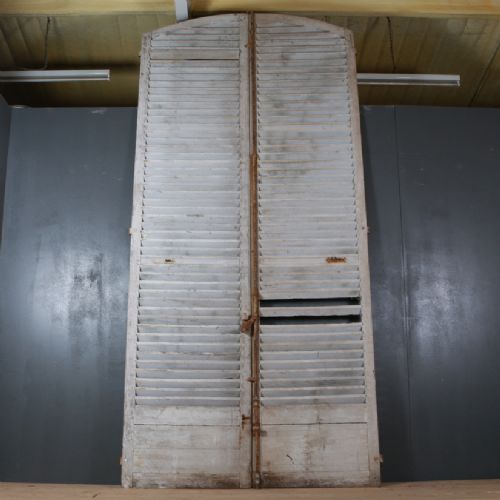
When you search for large wooden windows, you encounter substantial architectural salvage, pelmets, pelmets and cornices, and French shutters that carry the weight and presence of older buildings. These pieces originate from various eras, including the nineteenth century, Regency period, Victorian era, and eighteenth century, reflecting historic building traditions.
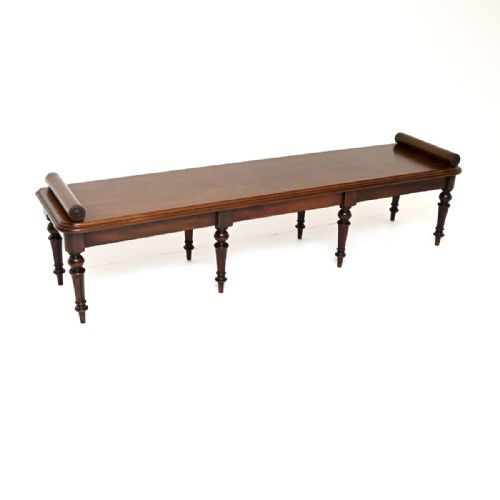
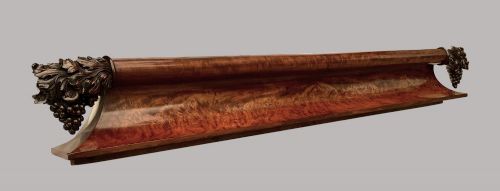
The selection on this page leans heavily toward related architectural elements and seating forms that share the scale and presence of large wooden windows, such as carved pine ecclesiastical church tracery panels, pelmets, and window seats. You will also find French shutters and arched window mirrors that evoke the structural grandeur of historic fenestration.
These items bring distinct historical texture into modern interiors, functioning as decorative focal points or functional architectural salvage. Their varied provenance spans English country houses, French properties, and ecclesiastical settings.
How they were made
Makers utilised solid hardwoods and softwoods like mahogany, pine, oak, and rosewood, often pairing structural timber with carved detailing, cane, iron, and mirror glass. Construction methods relied on traditional joinery suited to heavy architectural use and durable furniture forms.
Surface treatment varied according to period and function, ranging from painted wood finishes to highly figured mahogany and carved hardwood surfaces. Craftspeople employed hand-carving techniques, particularly visible in ecclesiastical church tracery panels and pelmets.
Large Wooden Windows Retail Price Guide 2026
Typical asking prices for large wooden windows among the pieces listed under this phrase on Sellingantiques today, from the lower quarter to the upper quarter. They describe what is for sale here now, not the wider market.
The inventory spans multiple eras, including the eighteenth and nineteenth centuries, alongside Victorian and Regency styles.
What varies in quality
The standard of timber selection and the crispness of hand-carving define the upper tiers of these pieces. Figured mahogany and deeply sculpted pine display a superior depth of craft compared to simpler utilitarian items.
Proportion and structural integrity separate exceptional architectural elements from standard salvage. Pieces that retain their original surfaces, whether painted wood or polished hardwood, hold greater visual coherence.
The Large Wooden Windows Glossary
- Pelmet
- A wooden framework placed above a window or door to conceal curtain fixtures. These often feature detailed carving or figured mahogany veneers.
- Ecclesiastical tracery
- Openwork pattern in wood, typically associated with church architecture and windows. It forms intricate geometric designs in architectural panels.
- Window seat
- A long bench designed to sit within a window recess. Examples range from Regency mahogany frames to upholstered Victorian forms.
- Architectural salvage
- Building materials and decorative elements rescued from demolition or renovation. This category includes shutters, panels, and pelmets.
- Cane
- Strips of rattan or other plant material woven into seats. It provides a lightweight, flexible surface for nineteenth-century stools.
Large Wooden Windows: Frequently Asked Questions
What are large wooden windows?
Large wooden windows and related architectural elements encompass salvaged frames, shutters, and structural components from historic buildings. They carry the scale and craftsmanship of past centuries.
In this collection, the category also extends to architectural salvage and seating designed to complement large window placements, such as pelmets and window seats.
How do I live with architectural salvage?
Integrating architectural salvage into a modern interior involves mounting panels or mirrors securely to walls to create focal points. Shutters and pelmets can be hung as standalone wall art or integrated into new joinery.
Ensure the supporting wall can take the weight of dense timbers like oak, mahogany, or carved pine.
How do I identify nineteenth century woodwork?
Nineteenth century woodwork often displays characteristic hand-tool marks, traditional joinery methods, and specific period styles like Gothic Revival or Regency. Timbers were selected for natural grain pattern and density.
Comparing the carving depth and timber choice against documented period examples helps confirm the era of manufacture.