



Large Wooden Stool
A large wooden stool brings warmth and function to a room, offering sturdy seating or a resting place for the feet.
Large Wooden Stool
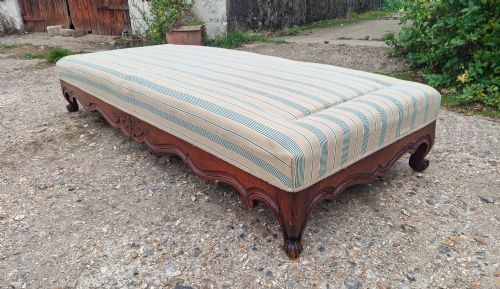
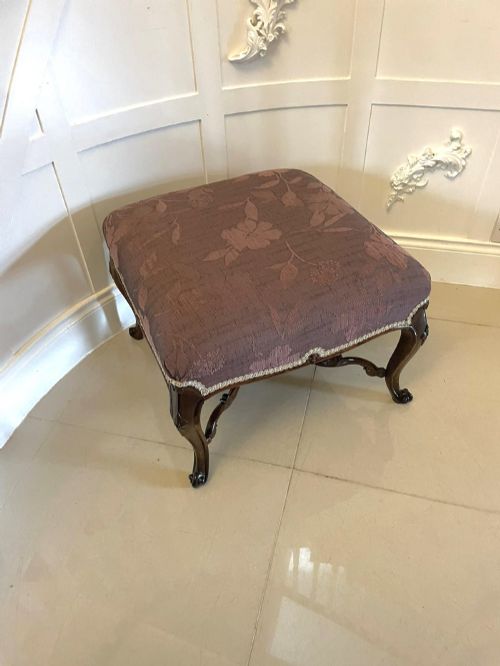
A large wooden stool serves as a versatile seat, low table, or footrest in period interiors. When you search for a large wooden stool, you encounter robust seating options fashioned from hardwoods and softwoods alike.
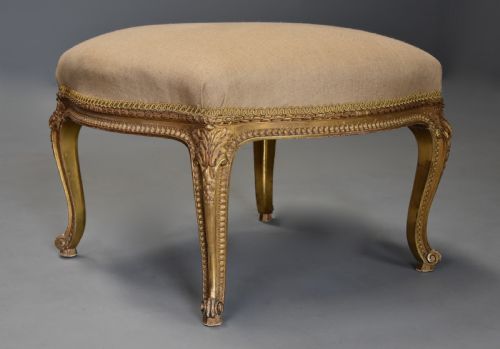
The selections range from nineteenth-century Victorian rosewood and oak designs to French giltwood and Anglo-Indian ottomans. These pieces accommodate various domestic uses, spanning from library steps to window seats and low hall stools.
How they were made
Craftsmen shaped these frames using dense timbers like rosewood, mahogany, walnut, and oak, alongside gilded wood for formal reception rooms. Joinery techniques varied from traditional pegged joints to sturdy X-frame constructions designed to bear substantial weight.
Surfaces often feature intricate hand-carving in styles ranging from French Rococo Revival to Carolean and Louis XVI. Seat supports incorporate woven cane, brass mounts, and upholstered pads covered in durable fabrics.
Large Wooden Stool Retail Price Guide 2026
Typical asking prices for large wooden stool among the pieces listed under this phrase on Sellingantiques today, from the lower quarter to the upper quarter. They describe what is for sale here now, not the wider market.
Some nineteenth-century makers stamped their grand giltwood frames directly into the wood, ensuring their Parisian workshop bench history endures beneath the gilding.
What varies in quality
The distinction between standard utility items and finer pieces lies in the crispness of the hand-carving and the density of the chosen timber. Dense rosewood, walnut, and heavy mahogany indicate a higher grade of material selected by the cabinetmaker.
Construction methods also dictate worth, as evidenced by tight joinery, substantial proportions, and original hardware like brass fittings. Elaborate styling, such as French Rococo Revival detailing or giltwood finishes, marks the upper tier of production.
LOIDRAULT FRERES PARIS
The Large Wooden Stool Glossary
- X Frame
- A structural base formed by two intersecting wooden members resembling the letter X. This design provides sturdy load-bearing support for window seats and benches.
- Giltwood
- Timber coated with a thin layer of gold leaf or powder. It appears frequently on decorative French revival seating.
- Cane
- Woven plant material used to form resilient seating surfaces. It offers a lightweight yet durable platform for daily use.
- Rosewood
- A dense, richly grained hardwood favoured for nineteenth-century cabinet work. Its deep colour and polished finish denote high status.
Large Wooden Stool: Frequently Asked Questions
How were these stools used historically?
These large wooden stools served diverse domestic functions, acting as footrests by heavy armchairs, extra seating in libraries, or low tables for resting books and trays. Window seats provided comfortable perches for reading by natural light.
In larger spaces, heavy hardwood benches and ottomans occupied halls and drawing rooms, accommodating multiple guests or serving as makeshift coffee tables.
How do I care for wooden stool frames?
Protect antique timber and giltwood surfaces by keeping them away from direct sunlight and fluctuating heat sources. Regular dusting with a soft, dry cloth preserves the polished finish.
Avoid using harsh chemical polishes on aged rosewood or mahogany. A gentle application of natural wax maintains the lustre of the wood.
How can I tell the period of a stool?
Examine the wood selection, carving style, and construction methods to determine the era of manufacture. Nineteenth-century pieces often display distinct revival styles such as Carolean, Louis XVI, or French Rococo.
Heavier hardwoods like rosewood and mahogany, combined with hand-cut joinery, typically point towards Victorian or Regency workshops rather than modern production.
Can these stools function as coffee tables?
Stated dimensions and sturdy construction make many large nineteenth-century stools suitable for conversion into coffee tables. Anglo-Indian ottomans and low hall seats offer stable, flat surfaces for everyday living.
Ensure the frame remains structurally sound before placing heavy objects or trays on the upholstered or wooden top.