





Large Wooden Pediment
A large wooden pediment brings architectural gravity into a room, offering striking carved details and centuries of history.
Large Wooden Pediment
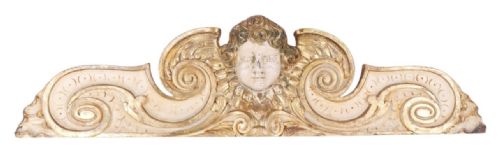
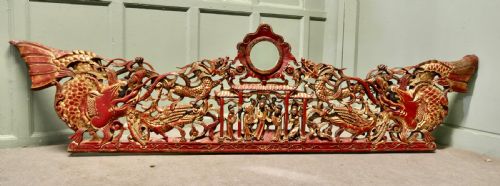
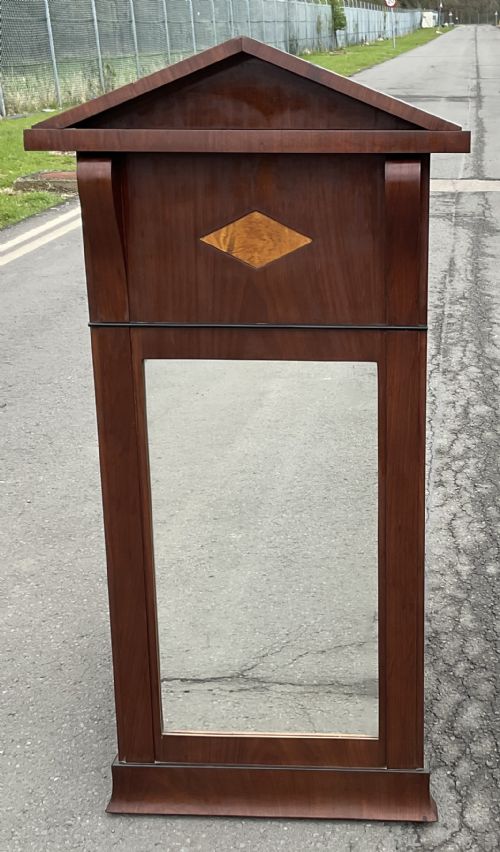
When you search for a large wooden pediment, you encounter substantial architectural salvage, wall carvings, and framed mirrors designed to anchor a grand interior. These pieces originate from various periods including the 18th century and the Victorian era, bringing historic presence to modern spaces.
You are most likely to meet architectural panels, temple pediments, and overmantel mirrors fashioned from pine and mahogany. The selection ranges from ecclesiastical church tracery panels to ornate Italian capitals and gilt wall mirrors.
The styles span Gothic Revival, Baroque, Chinoiserie, and the Aesthetic Movement, showing how architectural elements were adapted for domestic display. Each piece carries the distinct ornamental language of its period, from carved cherubs to geometric tracery.
How they were made
The construction of these pieces relies on solid timbers such as pine and mahogany, shaped through traditional woodworking and joinery techniques. Carvers worked directly into the wood to create deep reliefs and architectural motifs.
Surface decoration frequently involves gesso and gold leaf applied over the wood base, alongside ebonising or lacquering to achieve specific visual finishes. These applied layers enhanced the carved details and protected the material over generations.
Materials documented in the collection include glass, gold leaf, gesso, and lacquer.
What varies in quality
The distinction between pieces rests upon the depth and execution of the carving, where fluid hand-carved lines outshine mechanical or shallow work. Sculptural elements like cherubs or capitals demand precise anatomical and architectural proportion to succeed.
The integrity of the original surface finishes, such as period gilding or ebonising, dictates the visual power of the object. Subtlety in the application of gold leaf and gesso preserves the crispness of the underlying woodwork.
The Large Wooden Pediment Glossary
- Pediment
- A triangular or ornamental architectural feature placed above doors, windows, or mantelpieces. In interior decoration, these elements are often repurposed as wall decor or incorporated into mirrors.
- Gesso
- A plaster-like mixture applied to wood surfaces to prepare them for painting or gilding. It provides a smooth base that takes fine carved detail.
- Tracery
- Ornamental stonework-style framing made of interlaced ribs, frequently found in Gothic Revival woodwork. It creates delicate geometric patterns within panels.
- Overmantel
- A decorative panel, mirror, or painting designed to be placed directly above a fireplace mantel. These large items anchor the chimney breast visually.
Large Wooden Pediment: Frequently Asked Questions
How were large wooden pediments used originally?
Originally, these elements sat above interior doorways, temple entrances, or altar pieces to provide a grand architectural focus. They directed the eye upward and signified the importance of the threshold.
Over time, many of these architectural components were salvaged and adapted into wall mirrors or decorative panels for domestic interiors.
How do I hang a heavy wooden architectural panel?
Due to the substantial weight of solid pine and mahogany, secure wall anchoring into masonry or timber studs is essential. Professional mirror plates or heavy-duty french cleats provide the necessary support.
Consulting a specialist installer ensures the piece remains safely fixed without stressing the historic joints.
What is the difference between ecclesiastical and domestic pieces?
Ecclesiastical pieces usually feature Gothic tracery or religious motifs like cherubs intended for church settings. Domestic items often take the form of overmantel mirrors or hall mirrors suited for home decoration.
Both share substantial timber construction but serve different symbolic and functional roles within their respective architectures.
How do I care for gilt and gesso surfaces?
Gilt and gesso surfaces require dusting with a soft, dry brush to prevent damage to the delicate gold leaf. Moisture and harsh cleaning agents must be avoided entirely.
Keeping the piece away from direct heat sources prevents the wood from moving and cracking the gesso layer.