





Large Wooden Hull Model
These large wooden hull model pieces are impressive maritime artefacts built from timber and brass, offering a tangible connection to nineteenth-century shipbuilding and sailing history.
Large Wooden Hull Model
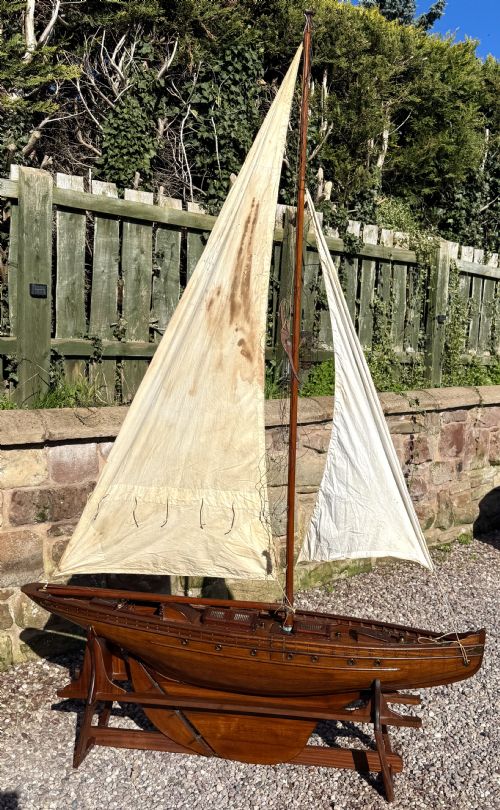
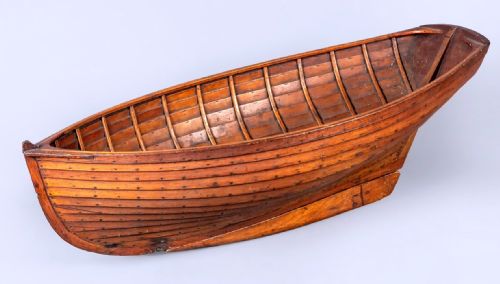
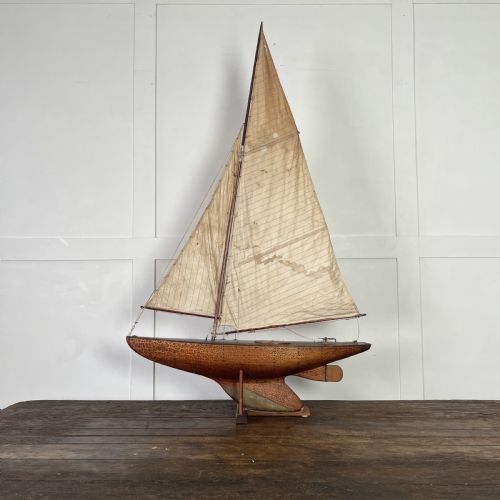
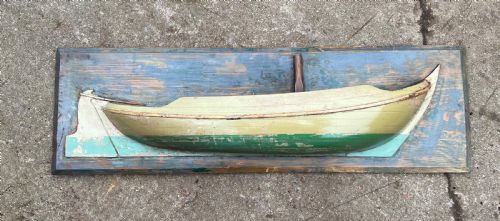
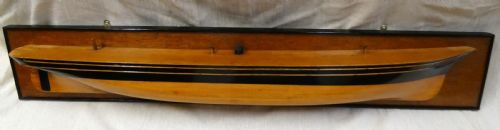
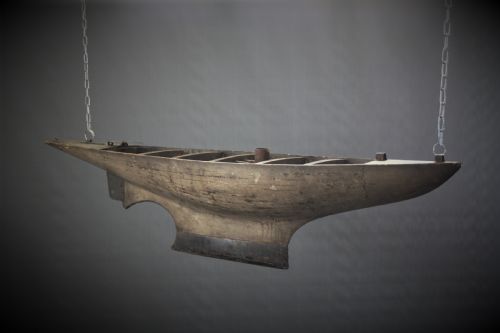
When you search for large wooden hull model items, you encounter substantial maritime objects dating from the nineteenth century and the Edwardian era. These pieces include pond yachts, scratch-built ketch-rigged boats, and boatbuilders half models mounted for display.
How they were made
Makers constructed these hulls using traditional timber techniques, frequently employing carvel planking on wooden frames or carving solid blocks of pine, mahogany, and sycamore. Many examples demonstrate scratch-built execution by skilled hands rather than factory mass production.
Details include fitted brass hardware, lead ballasts, and canvas sails, alongside painted exterior surfaces. Some pieces incorporate specialist display elements such as carved marble bases or bespoke wooden cradles.
Large Wooden Hull Model Retail Price Guide 2026
Typical asking prices for large wooden hull model among the pieces listed under this phrase on Sellingantiques today, from the lower quarter to the upper quarter. They describe what is for sale here now, not the wider market.
Several pond yachts measure nearly eight feet high, requiring as much floor space as a grandfather clock.
What varies in quality
The distinction between standard examples and finer items rests upon the precision of the woodwork and the integrity of the original construction. Scratch-built models featuring documentary attribution or signed builder details carry greater historic weight.
Surface preservation significantly influences the character of each piece. Hulls retaining undisturbed original paintwork and authentic brass or canvas components present a more complete historical record than those altered by later restoration.
Liverpool Ship Building Co.
The Large Wooden Hull Model Glossary
- Carvel hull
- A method of planking where edge-to-edge wooden boards are laid flush over a supporting frame. This technique creates a smooth exterior surface characteristic of larger vessels and quality models.
- Half hull model
- A three-dimensional representation of one side of a ship, split along the centreline. Boatbuilders traditionally used these to visualise hull shapes and calculate displacement before full-scale construction.
- Pond yacht
- A sailing model designed to be launched and sailed on ornamental water bodies. These objects combine functional rigging with decorative scale details.
- Ketch-rigged
- A two-masted sailing arrangement where the shorter mizzen mast is stepped forward of the rudder post. This configuration appears on scratch-built pond yachts from the late nineteenth century.
Large Wooden Hull Model: Frequently Asked Questions
How were half hull models used?
Boatbuilders constructed half models to test hydrodynamic forms and proportions before commissioning full-scale vessels. They allowed designers to evaluate lines and make adjustments in three dimensions.
In period shipyards, these models served as permanent records of successful vessel designs and were frequently displayed in offices.
Where should I display a pond yacht?
These large models require a stable, substantial surface or a secure wall mounting, given their considerable scale and weight. Placing them away from direct heat sources protects the old timber and paint.
Pairing a yacht with its original stand or a custom cradle ensures safe placement while highlighting the profile of the hull.
How do I date a model hull?
Dating relies on examining construction methods, timber types, and associated hardware such as brass fastenings and lead weights. Scratch-built examples from the nineteenth century often display distinct vernacular traits.
Documentary evidence, such as shipyard stamps or inscribed builder labels, can further narrow the period of origin.