



Large Wooden Dressing Mirror
A large wooden dressing mirror brings depth and proportion to a room, offering both practical reflection and substantial presence.
Large Wooden Dressing Mirror
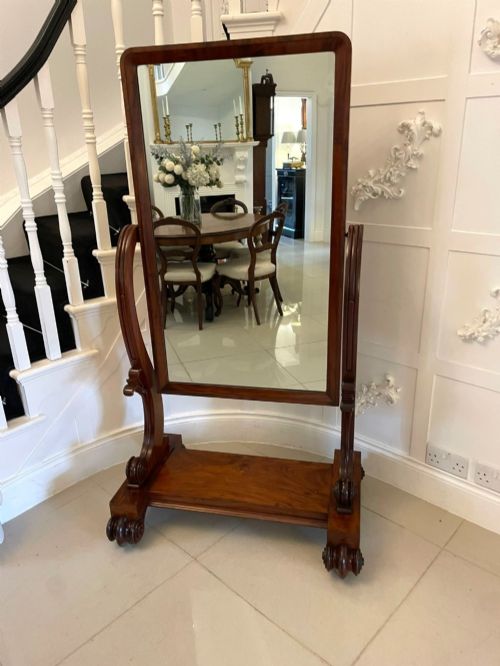
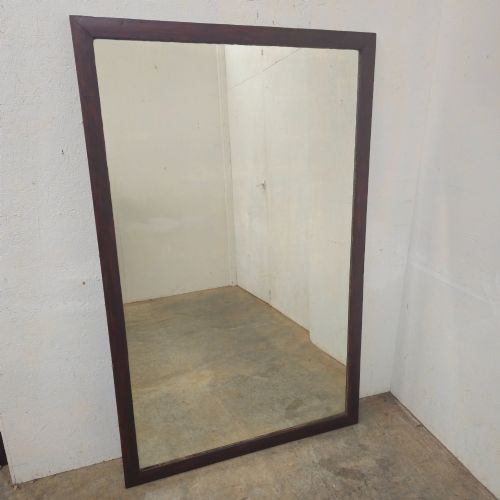
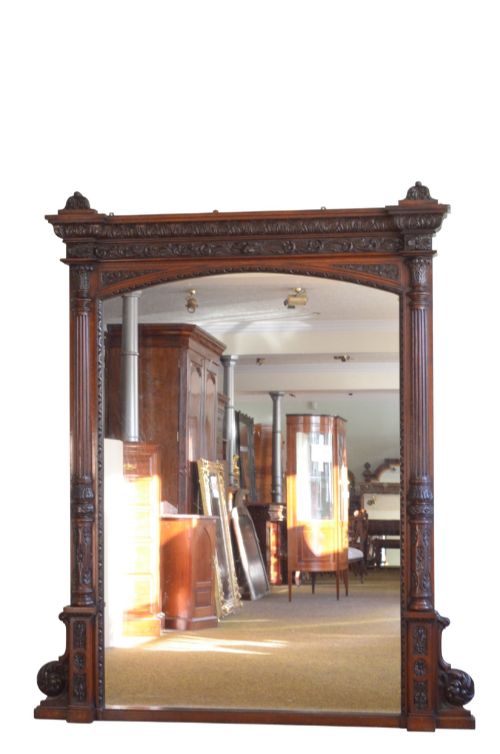
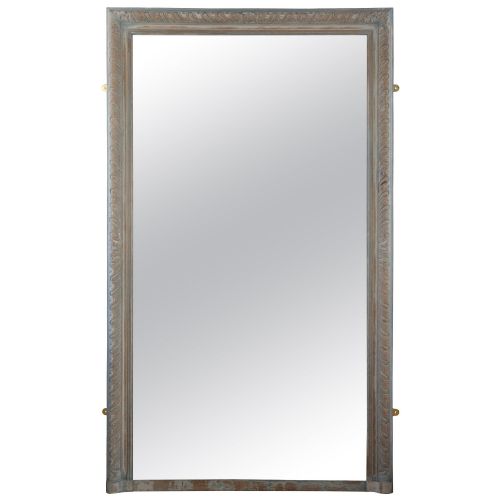
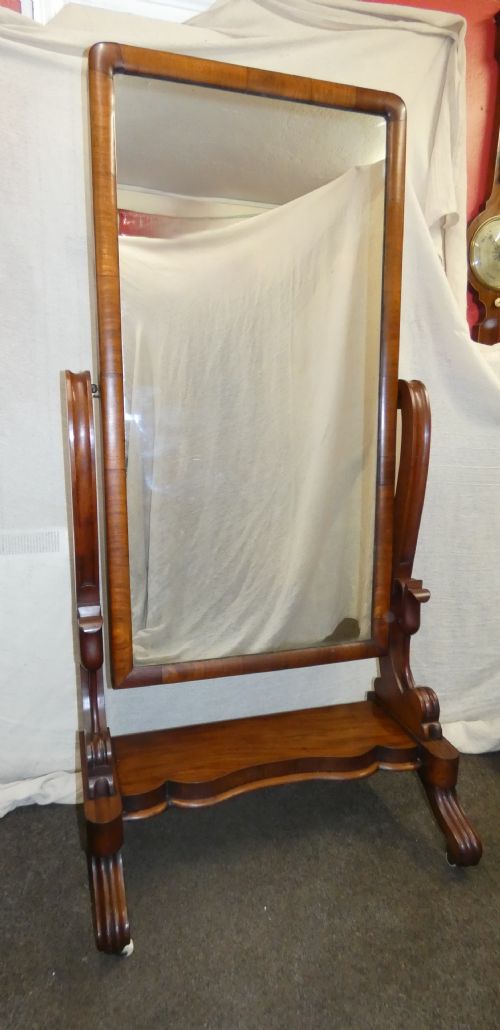
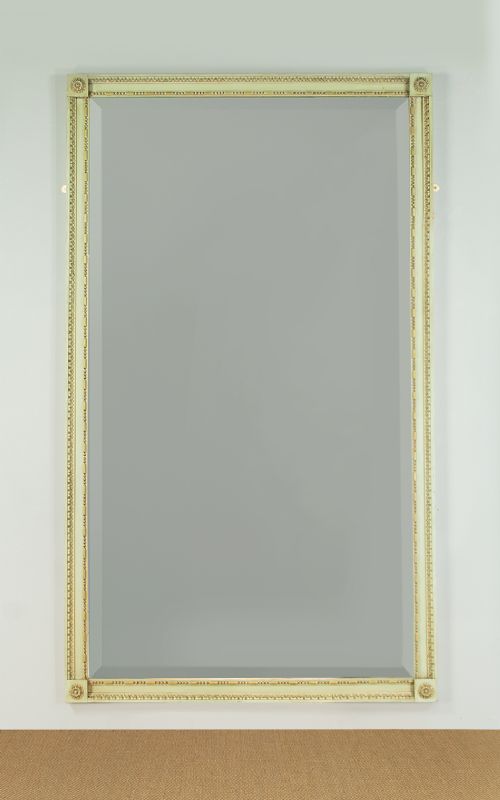
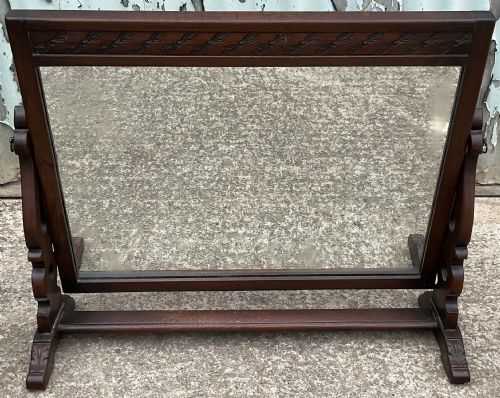
When you search for a large wooden dressing mirror, you encounter substantial pivoting cheval frames, tabletop toilet glasses, and architectural floor mirrors designed for bedrooms and dressing rooms. These pieces serve both a functional purpose for personal grooming and act as significant decorative anchors within domestic interiors.
The versions most commonly met on this page span the Victorian and Edwardian eras, executed in timbers such as mahogany, oak, and walnut. Many take the form of freestanding cheval mirrors that tilt on side pivots, alongside smaller dressing table mirrors fitted with shaped bases and drawer boxes.
Origins range from English workshops to French provincial makers, encompassing styles from utilitarian tailors and haberdashery mirrors to ornate carved gesso designs. Buyers select these objects for their scale, timber grain, and the way polished glass interacts with natural light in a room.
How they were made
Cabinetmakers constructed these frames using solid hardwoods like mahogany and oak, often employing traditional joinery such as mortise and tenon frames to support the weight of heavy glass. Walnut veneers and burr sections appear on decorative surfaces, bonded to secondary timbers with animal hide glues.
Carved ornament on French and Victorian pieces relies on applied gesso moulded over wood substrates before receiving silver leaf, gold leaf, or paint finishes. Brass hardware, including adjustable pivot screws, candle sconces, and small drawer pulls, fastens the pivoting mirror plates to their upright standards.
Large Wooden Dressing Mirror Retail Price Guide 2026
Typical asking prices for large wooden dressing mirror among the pieces listed under this phrase on Sellingantiques today, from the lower quarter to the upper quarter. They describe what is for sale here now, not the wider market.
Periods represented span from the 18th century through the Victorian era and into the early 20th century.
What varies in quality
The distinction between standard examples and top-tier pieces rests on the choice of timber and the depth of hand-carved detail. Dense, figured mahogany and burr walnut signify a higher initial cost of materials and more skilled cabinet work than plain pine or secondary softwoods.
Proportion and structural integrity also separate the grades, as heavy pivoting frames require robust uprights and stable bases to prevent sagging over time. Original mercury or early silvered mirror plates displaying authentic age character contrast with modern replacements, influencing the desirability of the piece.
The Large Wooden Dressing Mirror Glossary
- Cheval mirror
- A freestanding full-length mirror suspended on a vertical frame with side pivots that allow the glass to tilt. This form originated in France and gained popularity during the Georgian and Victorian periods.
- Toilet mirror
- A smaller dressing glass designed to sit upon a chest of drawers or a dressing table, frequently incorporating small storage drawers in its base. These are also known as dressing table mirrors.
- Haberdashery mirror
- A utilitarian display or fitting glass sourced from commercial shop interiors of the late nineteenth and early twentieth centuries. They are typically built for robust daily use in retail environments.
Large Wooden Dressing Mirror: Frequently Asked Questions
How do I secure a heavy cheval mirror?
Freestanding cheval mirrors rely on their weighted bases and floor contact for stability, so positioning them on level flooring prevents undue strain on the side pivots. For tall floor or leaner mirrors, additional discreet wall fixings provide extra security against accidental tipping.
Ensuring the floor beneath the frame is even stops the upright standards from twisting over time. Check that the tension screws on the pivots remain correctly adjusted to hold the glass angle securely without slipping.
Can I adjust the angle of the glass?
Most floor and dressing mirrors use side pivot screws or brass nuts that can be tightened or loosened by hand or with a basic tool. This mechanism allows you to tilt the glass plate to suit different viewing heights.
Over decades of use, these pivot fittings may accumulate dust or loosen, so gentle cleaning and careful tightening restore smooth movement. Avoid forcing a stiff pivot, as this can damage the wooden uprights surrounding the hardware.
How do I clean an antique mirror plate?
Use a soft microfiber cloth and a mild, ammonia-free glass cleaner sprayed onto the cloth rather than directly onto the glass. This prevents moisture from seeping behind the silvering layer at the edges.
Take care around the wooden rabbet where the glass meets the frame, as moisture accumulation can damage older backing materials. Regular dusting with a dry cloth keeps the surface clear without risking moisture penetration.
Where should I place a large dressing mirror?
Positioning the glass opposite or adjacent to a window maximises natural light distribution and creates an illusion of greater spatial depth in a bedroom or hallway. Ensure the floor surface can support the substantial weight of solid oak or mahogany frames.
Consider the traffic flow around pivoting cheval mirrors, leaving sufficient clearance for the frame to tilt forward or backward. Wall-mounted leaner mirrors benefit from placement against studwork or solid masonry for secure hanging.