





Large Wooden Bureau
A large wooden bureau brings serious scale and practical work space to a room, offering deep drawers and fitted writing compartments.
Large Wooden Bureau
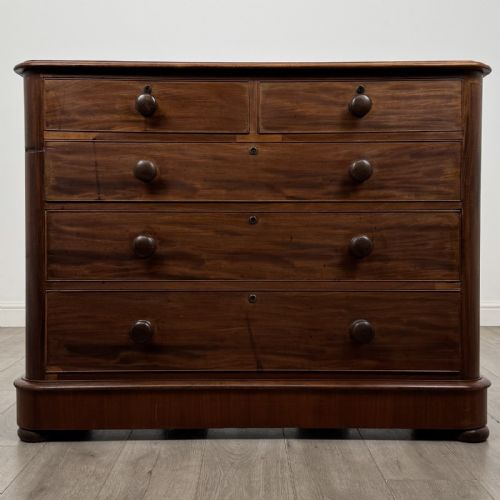
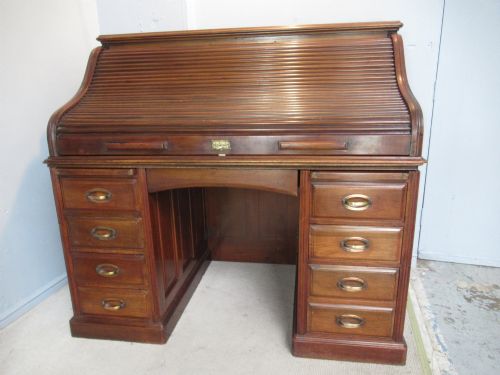
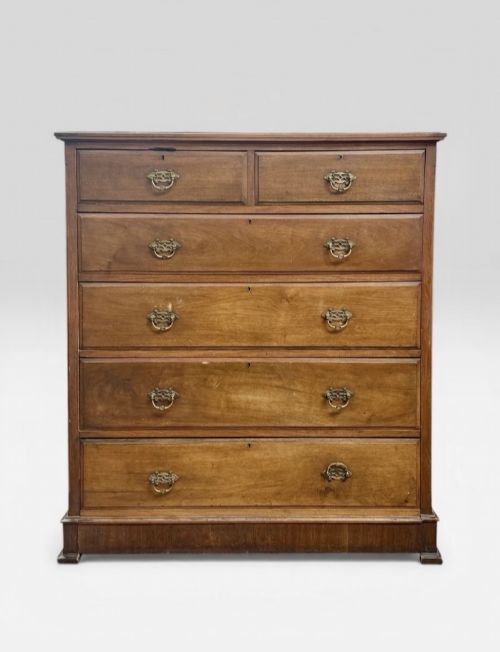
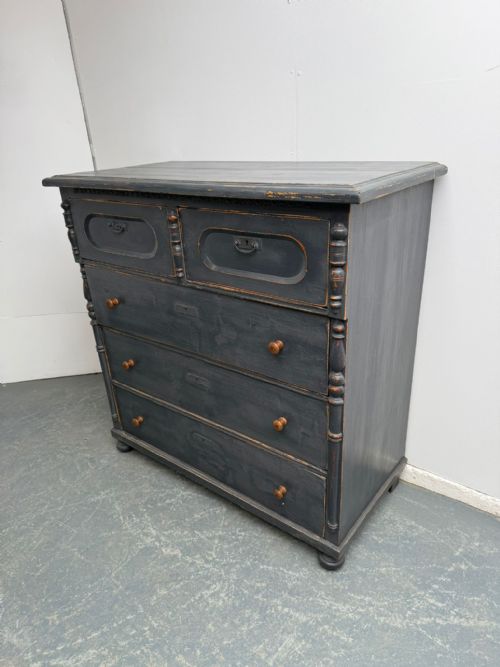
The versions you are most likely to meet on this page are substantial Victorian mahogany or pine chests of drawers alongside Edwardian and later roll-top desks. These items combine everyday utility with prominent timber presence, using traditional forms that suit large rooms.
How they were made
Cabinet makers utilised solid timbers like oak, pine, and mahogany, often applying flame mahogany veneer to drawer fronts for distinctive grain patterns. Turned wood elements and brass handles complete the construction of these substantial pieces.
Workshop methods combined structural joinery with surface carving and inlay work, particularly seen in Edwardian mahogany pieces and Anglo-Indian writing desks. Painted finishes also appear on selected pine items.
Large Wooden Bureau Retail Price Guide 2026
Typical asking prices for large wooden bureau among the pieces listed under this phrase on Sellingantiques today, from the lower quarter to the upper quarter. They describe what is for sale here now, not the wider market.
Several pieces hide secret compartments behind their roll-tops, perfect for storing miniature treasures away from prying eyes.
What varies in quality
Quality rests in the selection of timber and the execution of details, distinguishing plain utility items from finer decorative pieces. Figure in the grain, such as flame mahogany veneer, elevates the visual presence of a chest.
The refinement of brass hardware, carved elements, and inlay work separates standard workshop production from exceptional examples. Solid construction throughout the drawers and framing determines long-term durability.
The Large Wooden Bureau Glossary
- Flame mahogany veneer
- A thin slice of mahogany timber cut from the fork of the tree to create a distinctive flickering flame pattern. This decorative surface appears on finer Victorian chests.
- Roll-top desk
- A desk featuring a flexible tambour shutter made of narrow slats of wood that slides down to cover the writing surface and pigeonholes. Edwardian and later examples often use an S-shaped profile.
- Davenport
- A compact writing desk featuring a sloping top and drawers accessed from the side. Anglo-Indian examples incorporate intricate carved decoration.
- Library bookcase
- A tall storage unit combining enclosed shelving for books with lower storage compartments. These substantial pieces date from the Victorian era.
- Pine
- A softwood utilised extensively for regional and painted furniture throughout the nineteenth century. Stripped pine finishes expose the natural grain.
Large Wooden Bureau: Frequently Asked Questions
What is a large wooden bureau?
A large wooden bureau is a substantial piece of furniture designed for writing and storage, incorporating deep drawers or fitted compartments.
These pieces span Victorian and Edwardian periods, utilising timbers such as mahogany, oak, and pine.
How do I date these pieces?
Dating relies on identifying timber choices, construction techniques, and stylistic markers recorded across the nineteenth and early twentieth centuries.
Victorian pieces often display heavy mahogany or pine construction, while Edwardian items introduce inlaid details and roll-top mechanisms.
Where were these pieces used?
These items served functional roles in studies, libraries, and bedrooms across substantial nineteenth-century homes.
Large chests and desks provided necessary storage for papers, linens, and personal effects.
How do I maintain the wood?
Maintenance involves keeping wooden surfaces away from direct heat sources and applying appropriate natural waxes to nourish the grain.
Regular dusting with a soft cloth preserves the finish on mahogany, oak, and walnut surfaces.