

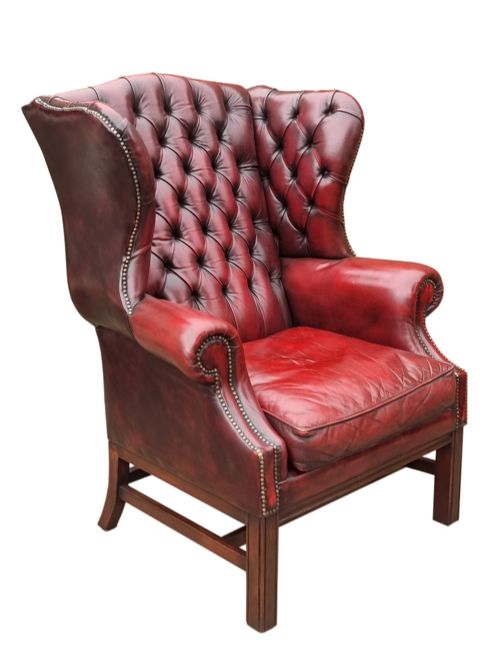
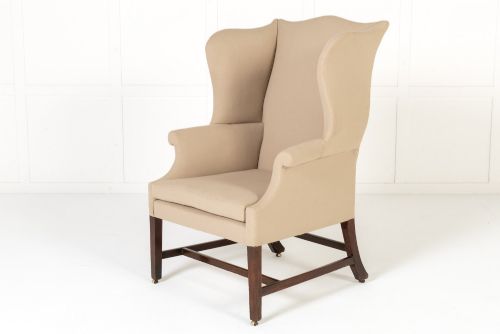


Large Wingback Chair
A large wingback chair provides deep seating and draught protection, making it a commanding addition to any room through centuries of design.
Large Wingback Chair
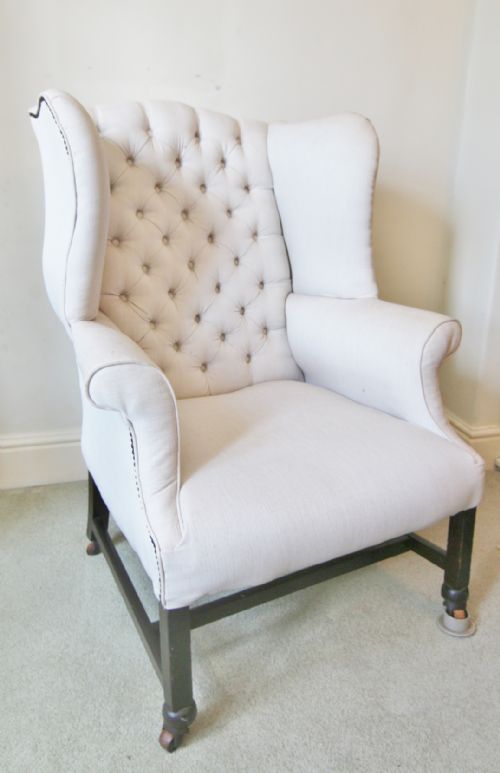
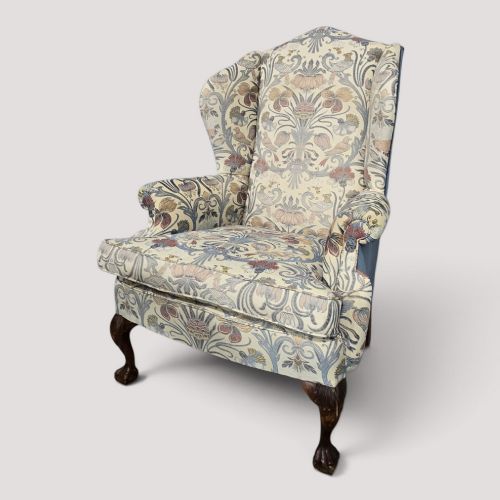
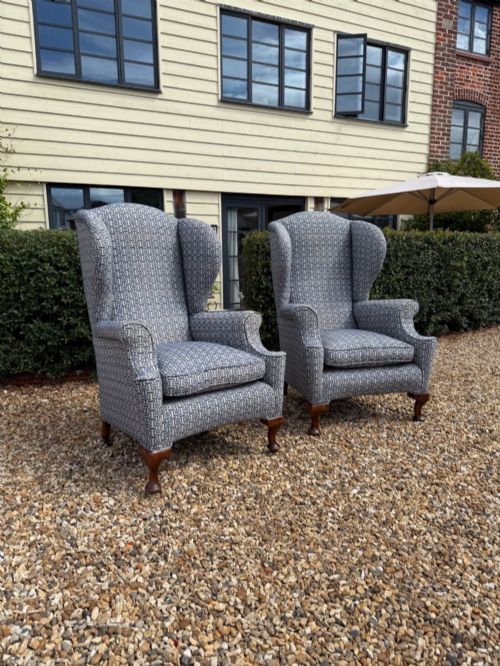
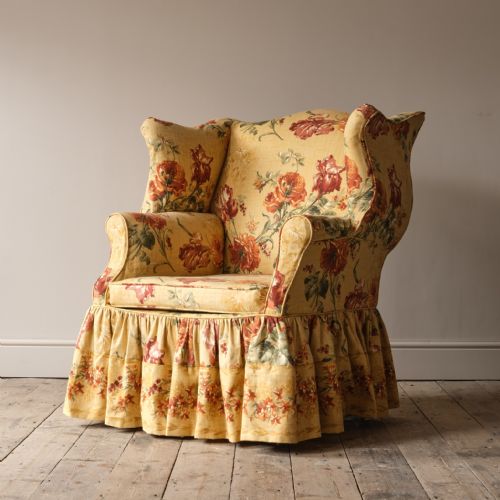
When you search for a large wingback chair, you encounter substantial seating designed to shield the sitter from draughts by enclosing the head and torso. These pieces range from the 18th century through the Victorian period up to the 1930s, reflecting enduring domestic forms.
The versions most commonly met on this page span Georgian, Victorian, and revival styles such as Queen Anne, Chippendale, and Louis XVI. They appear in forms including mahogany wing armchairs, barrel back armchairs, and walnut bergeres.
Origins represented in the evidence include English and French examples executed in rich timbers. Each piece displays the characteristic high back and flanking wings that define this enduring seating tradition.
What varies in quality
The sophistication of the timber framing and the execution of carved details separate standard examples from finer pieces. Pieces displaying refined mahogany construction or careful French carving reflect superior workshop standards.
The integrity of the frame and the choice of covering materials, whether leather, linen, or patterned fabric, dictate the overall character. The proportion of the wings in relation to the main body determines the visual balance of the armchair.
Large Wingback Chair Retail Price Guide 2026
Typical asking prices for large wingback chair among the pieces listed under this phrase on Sellingantiques today, from the lower quarter to the upper quarter. They describe what is for sale here now, not the wider market.
Listings feature periods spanning from the 18th century through to 1930, utilising mahogany, walnut, leather, linen, and brass.
The Large Wingback Chair Glossary
- Wingback chair
- An armchair featuring prominent side panels attached to the arms and back to shield the sitter from draughts. This form dates back centuries and remains a prominent seating choice.
- Mahogany
- A durable, reddish-brown tropical hardwood utilised extensively for furniture frames during the Georgian and later periods. It takes a fine finish and supports intricate carving.
- Bergere
- An enclosed upholstered armchair with wooden framing, originating in France. These pieces often feature exposed walnut or carved details.
- Barrel back
- A seating design where the back and arms form a single, continuous semi-circular curve. This configuration enhances enclosure and physical comfort.
Large Wingback Chair: Frequently Asked Questions
What is a large wingback chair?
A large wingback chair is a tall upholstered armchair featuring protective side panels designed to block draughts. These pieces span multiple centuries and feature solid timber frames.
They offer substantial seating with enclosed backs that frame the sitter. The style encompasses various historical revivals and regional interpretations.
How were these armchairs used?
These armchairs served primarily as comfortable seating near hearths where draughts were prevalent. The high wings trapped heat from the fire around the occupant.
They also provided private seating for reading or resting in principal rooms. Their commanding presence suited studies, drawing rooms, and libraries.
How do I live with one?
Integrating a large wingback chair into a room requires allowing sufficient space for its substantial proportions. Placing it near a corner or fireplace respects its original functional purpose.
Pairing the chair with appropriate lighting creates a comfortable reading nook. The upholstery material dictates how the piece interacts with other textures in the interior.
How can I tell periods apart?
Distinguishing periods involves observing timber choices, framing shapes, and decorative carving styles. 18th-century examples often feature mahogany and restrained classical lines.
Victorian and later revival pieces frequently display heavier proportions or alternative woods like walnut. French variants introduce distinct carved elements characteristic of continental workshops.