





Large Walnut Framed Mirror
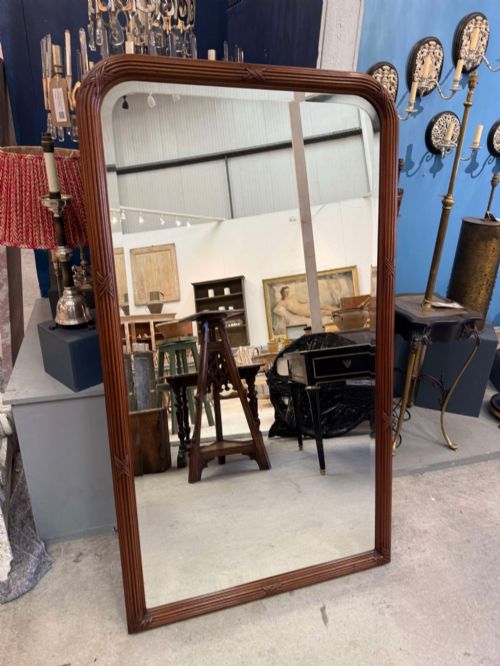
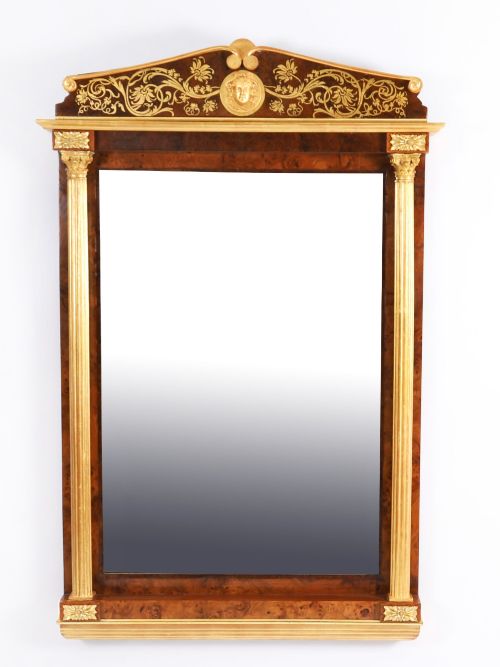
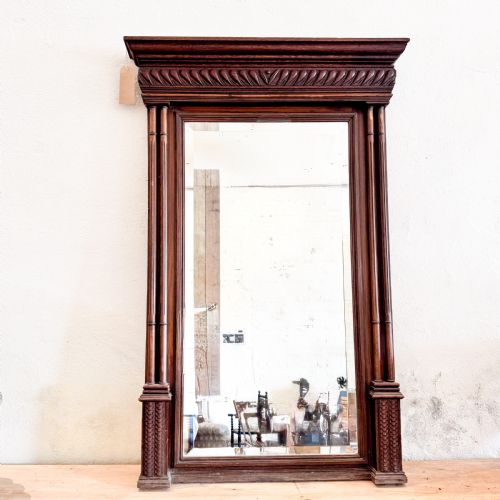
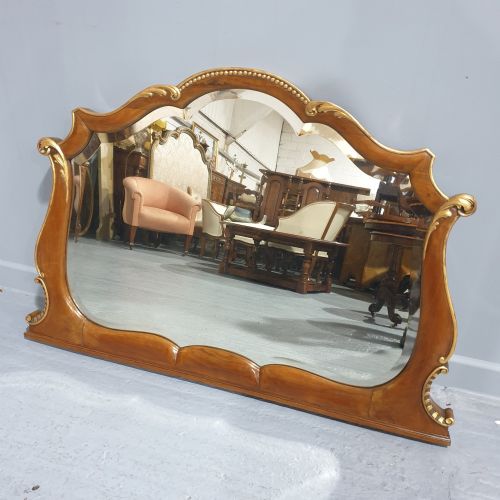
A large walnut framed mirror brings rich warmth and striking scale to a room, offering both depth and presence through figured timbers and traditional craftsmanship.
Large Walnut Framed Mirror
A large walnut framed mirror is a substantial hanging or overmantel glass piece defined by its timber moulding and generous proportions. When you search for a large walnut framed mirror, you encounter imposing architectural designs, fret-cut wall panels, and decorative overmantels designed to anchor a room.
The pieces appearing here span several distinct eras, drawing heavily on Victorian, Georgian, and 18th Century traditions. You find both restrained domestic wall mirrors and grander items featuring parcel gilt highlights or French Louis Philippe and Italian Classical influences.
Object forms range from simple rectangular wall mirrors to broad overmantel mirrors intended for placement above a fireplace. The timber selection varies from plain walnut and rich burr walnut to combinations involving oak and giltwood.
Materials and construction methods
The primary structure relies upon solid walnut or burr walnut veneers applied to a supportive backing timber such as oak. Craftsmen shaped the frames using traditional hand-carving techniques, often incorporating applied mouldings and fretwork.
Giltwood and parcel gilt embellishments frequently accent the warm brown tones of the walnut. Brass detailing and gilt heightening appear on specific examples from the 19th Century, adding reflective contrast to the dark wood.
Mirror plates are set within the rebated wooden frames, sometimes accompanied by internal slip frames or gilded fillets. Construction methods reflect the prevailing cabinet-making standards of the period, from Georgian fret mirrors to heavy Victorian overmantels.
Large Walnut Framed Mirror Retail Price Guide 2026
Typical asking prices for large walnut framed mirror among the pieces listed under this phrase on Sellingantiques today, from the lower quarter to the upper quarter. They describe what is for sale here now, not the wider market.
Listings feature walnut frames paired with materials such as brass, giltwood, and oak across Victorian, Georgian, and 19th Century periods.
Distinguishing quality across the range
The visual strength of a large walnut framed mirror often depends on the quality of the timber figure. Highly figured burr walnut veneers display intricate grain patterns that elevate the aesthetic impact far beyond plain timber.
Carving depth and precision separate standard production from superior craftsmanship. Crisp execution in fret-cut designs and finely rendered parcel gilt details indicate skilled workshop output rather than hurried manufacture.
Proportion and scale dictate the visual balance of the piece. Superior examples maintain harmonious dimensions where the width of the wooden frame complements the expansive glass plate without feeling heavy or distorted.
The Large Walnut Framed Mirror Glossary
- Burr walnut
- A specialised timber veneer harvested from the wart-like growths on walnut trees, prized for its swirling, multi-tonal grain patterns. It adds significant decorative texture to furniture and frames alike.
- Parcel gilt
- A decorative technique where specific carved elements or mouldings are partially covered in gold leaf. This method highlights architectural details against the dark walnut background.
- Overmantel mirror
- A wide mirror specifically designed to be hung on the wall directly above a fireplace mantel. These pieces often feature horizontal proportions that match the width of the fireplace below.
- Fret mirror
- A wall mirror featuring a flat wooden frame cut with decorative jigsaw or fretted outlines, commonly associated with 18th Century Georgian design. The silhouette usually incorporates scrollwork or architectural crestings.
- Giltwood
- Wood that has been coated with a thin layer of gold leaf or gold paint for decorative effect. It is frequently used alongside walnut to brighten the overall appearance of a frame.
Large Walnut Framed Mirror: Frequently Asked Questions
Where should I hang a large walnut framed mirror?
These mirrors suit locations with sufficient wall space and structural support, such as above a living room fireplace, along a hallway, or anchoring a dining room wall. Their substantial weight requires secure fixings directly into wall studs or masonry.
Positioning the glass opposite a window helps bounce natural light deeper into the interior, making smaller rooms feel more open while displaying the rich timber grain.
How do I care for the walnut frame?
Maintain the wood by dusting regularly with a soft, dry cloth and avoiding silicone-based polishes or harsh chemical sprays. Natural waxes applied sparingly help nourish older timber surfaces.
Keep the mirror away from direct heat sources and excessive moisture swings to prevent the wooden joints from shifting or the veneer from lifting over time.
What is the difference between an overmantel and a wall mirror?
An overmantel mirror is built specifically in a landscape orientation to sit above a fireplace opening. Its proportions are designed to fill the long horizontal space below the ceiling and above the mantel shelf.
Standard wall mirrors can be vertical or horizontal and are intended for general room placement on any flat wall surface rather than specifically above a hearth.
How can I tell the period of a walnut mirror?
Dating relies on examining the construction style, timber preparation, and decorative motifs present on the frame. Georgian pieces often show fretwork and lighter profiles, while Victorian examples tend to be heavier with deeper carved mouldings.
Inspect the backboards, fixings, and mirror plate characteristics for additional clues regarding age and manufacturing methods.