



Large Table Snuff Box
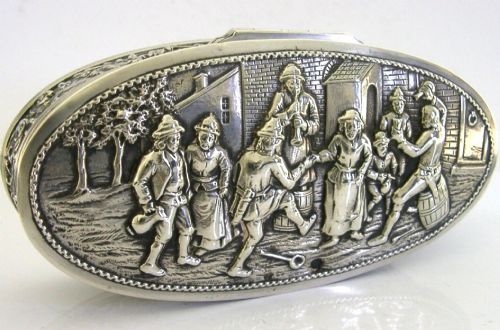
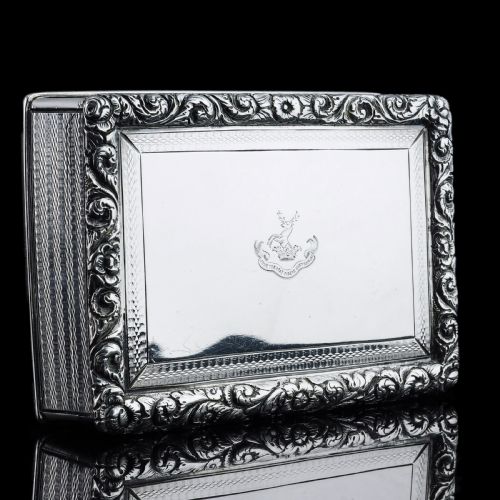
A large table snuff box is a substantial desk accessory designed for social tobacco use, prized for heavy precious metal work and detailed relief.
Large Table Snuff Box
The versions most commonly met on this page are solid silver containers shaped by silversmiths in Birmingham and London, often featuring hinged lids and chased borders. Alongside metal wares, buyers frequently encounter sturdy hardwood, burr walnut and tortoiseshell examples that offer a different tactile warmth.
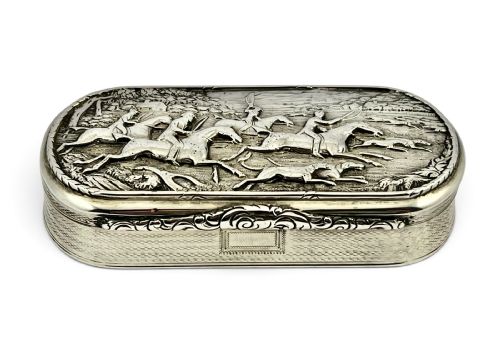
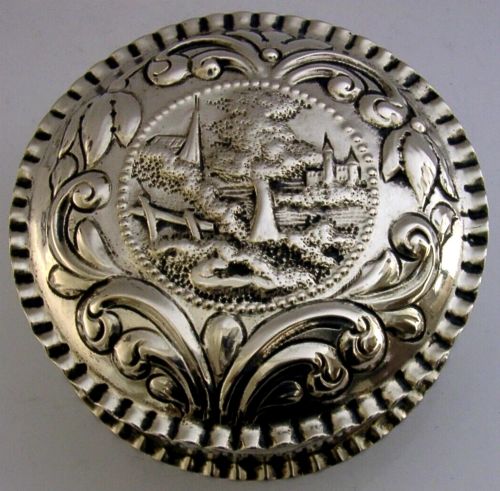
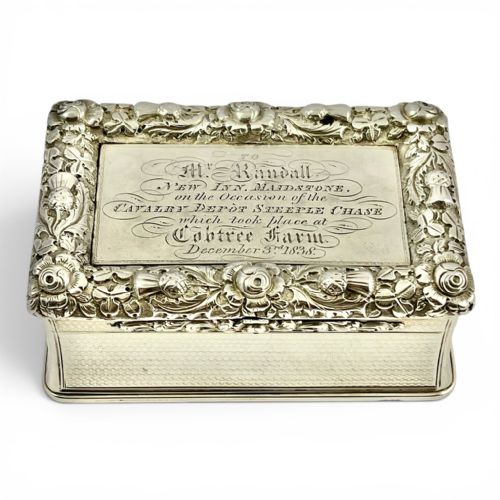
The forms range from rectangular picture castle top boxes to heavy desk containers embellished with coins, floral chasing or military commissions. Each object demonstrates the scale required to serve a gathering of guests in a formal drawing room or study.
Materials and Technique
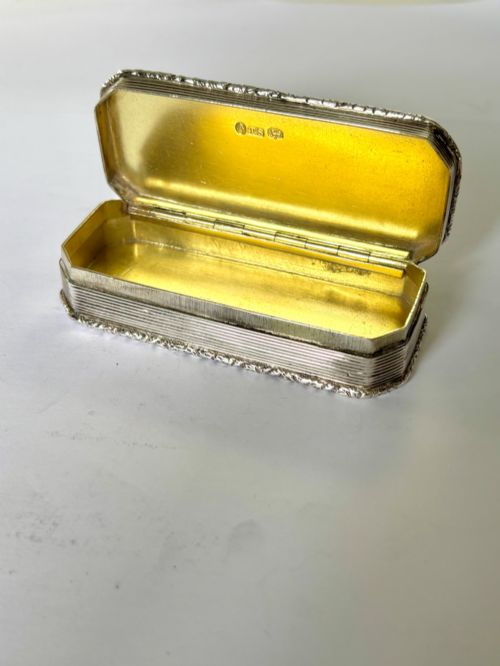
Silversmiths constructed these substantial boxes using sterling silver, solid silver and silver gilt, frequently applying gold vermeil to the interior surfaces to prevent corrosion from the tobacco. Heavy gauge metal provided the rigidity needed for large lids, which required robust hinges to support cast acanthus borders and picture cast scenes.
Makers employed intricate hand engraving, floral chasing and coin embellishment to decorate the flat surfaces of the silver bodies. Artisans working with organic materials shaped slabs of hardwood, burr walnut, tortoiseshell, horn and mammoth tooth, mounting them with unmarked or hallmarked silver edges.
Large Table Snuff Box Retail Price Guide 2026
Typical asking prices for large table snuff box among the pieces listed under this phrase on Sellingantiques today, from the lower quarter to the upper quarter. They describe what is for sale here now, not the wider market.
Craftsmanship and Weight
The distinction between ordinary boxes and exceptional works lies in the weight of the metal and the crispness of the hand chasing. Superior pieces display deep, sharp relief along the cast borders and secure, well-fitted hinges that hold the heavy lid without wobble.
Maker marks significantly influence the standing of a piece, with recognised silversmiths delivering superior finishing to internal gilding and structural joins. The choice of dense hardwoods or unblemished tortoiseshell similarly elevates an example above standard production.
Thomas Shaw·Joseph Willmore·Jane Brownett Alexander Jones·Edward Edwards·Edward Smith·Thomas Edwards·Phipps And Robinson·P J Finch
The Large Table Snuff Box Glossary
- Castle top
- A style of lid decoration featuring a high relief depiction of a famous building or estate. This architectural motif gained popularity during the nineteenth century.
- Silver gilt
- Sterling silver that has been coated with a thin layer of gold on the surface. This technique protected the interior metal from the corrosive oils found in tobacco.
- Chasing
- A metalworking technique where the artisan pushes the material from the front using hammers and punches to create raised designs. It differs from engraving, which removes metal.
- Burr wood
- Slices taken from tree growths or roots that produce intricate, swirling grain patterns. Cabinet makers prized these sections for decorative surfaces.
Large Table Snuff Box: Frequently Asked Questions
What is a large table snuff box?
A large table snuff box is a heavy container made to hold loose tobacco for communal use in a formal room. These objects remained stationary on a desk or table rather than being carried on the person.
They appear primarily in silver, wood and tortoiseshell, reflecting the wealth and social habits of past centuries.
How were these boxes used?
Hosts placed these boxes on reception room tables so guests could help themselves to snuff during social gatherings. The generous proportions allowed easy access for multiple hands at once.
Beyond tobacco, owners eventually repurposed them to store pills, coins, trinkets or desk accessories.
How do I care for silver boxes?
Silver boxes require gentle dusting with a soft cloth to protect the intricate chased details and engraved borders. Avoid abrasive polishes that wear away thin silver layers and soften relief work.
Wooden and tortoiseshell examples benefit from stable humidity levels to prevent the organic materials from warping or cracking.
How do I identify the period?
Hallmarks stamped onto silver boxes provide the most reliable guide to date, revealing assay offices, standard marks and year letters. Stylistic clues such as Art Deco geometric lines or Victorian floral chasing also point to specific eras.
Makers' marks connect individual pieces to recorded workshops active during the Georgian, Regency or Edwardian years.