




Large Still Life
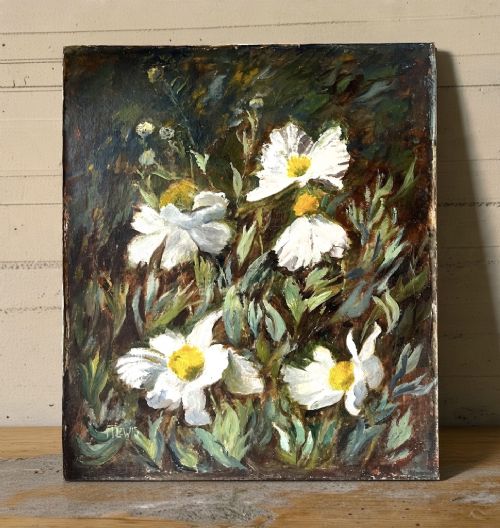
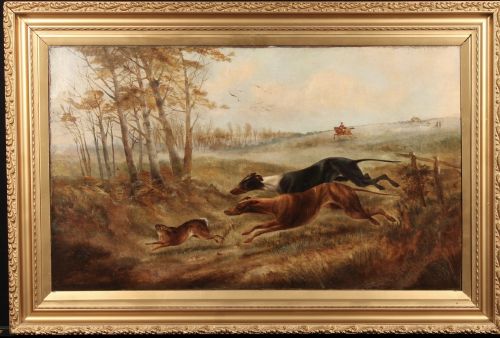
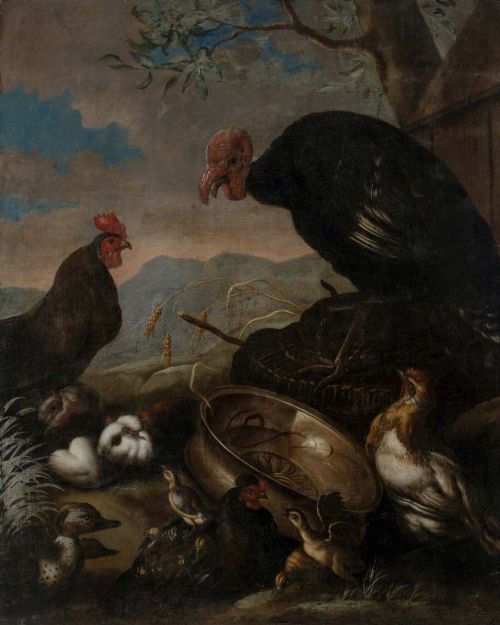
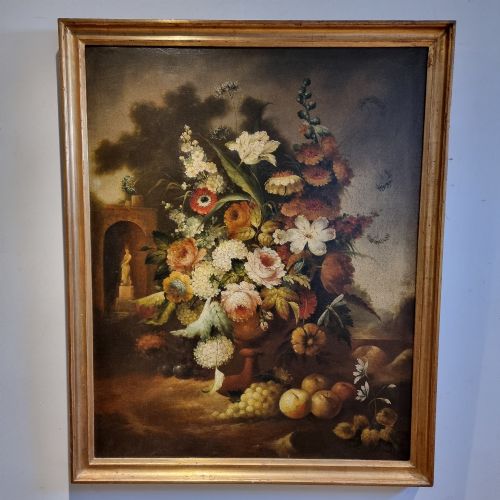
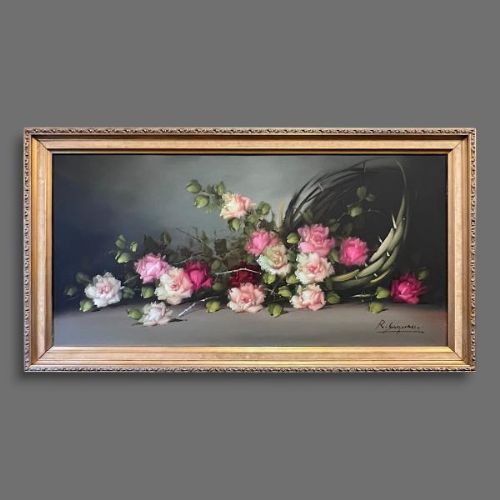
Large still life works command physical space with arrangements of fruit, flora and game painted across centuries.
Large Still Life
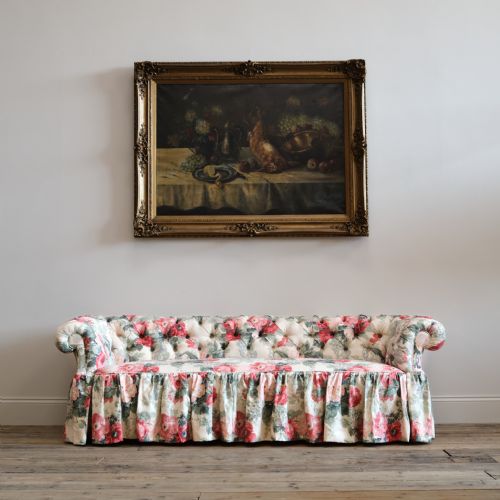
A large still life brings substantial presence to a room through expansive compositions of fruit, flowers, banquet items and game. These canvases stretch from nineteenth-century academic works down to mid-century European interpretations.
Buyers encounter oil on canvas most frequently, supplemented by oil on board, painted panels and gouache on paper alongside decorative plates. Dating spans the seventeenth century up to the nineteen-sixties.
Styles range from Dutch Baroque and Victorian sporting art to Impressionism and Mid-Century Modernism. Subjects vary from traditional floral displays and dead game to abstracted interiors and botanical studies.
Materials and Construction
Painters relied principally on oil paint applied to woven canvas stretched over wooden frames, often housing the artwork within gilt wood frames or gold leaf surrounds.
Substrates also include wood boards and paper supports for gouache works, whilst ceramic techniques define decorative plates produced in the mid-twentieth century.
Large Still Life Retail Price Guide 2026
Typical asking prices for large still life among the pieces listed under this phrase on Sellingantiques today, from the lower quarter to the upper quarter. They describe what is for sale here now, not the wider market.
Listings feature works spanning from the seventeenth century through Victorian academic painting into nineteen-sixties European modernism.
Assessing Quality
Quality rests upon the confidence of brushwork and the structural balance of the composition across the canvas surface. Superior examples demonstrate tonal depth in shadow and precise handling of light on organic textures.
The integration of the frame with the painting alters the overall impact, where period gilt wood surrounds complement the depth of the oil pigment.
George Armfield·Angelo Maria Crivelli·Konstantin Stoitzner·Amile Coppieters·Henri Joseph Pauwels·Bela Balogh·Sir George Reid·Julien Stappers·Emile Lecomte
The Large Still Life Glossary
- Oil on canvas
- Pigment bound in drying oil applied to a woven fabric support stretched across a wooden frame. This combination allows for rich blending of colour and long-term durability.
- Gilt wood frame
- A wooden moulding coated with gold leaf or metallic powder to frame a painting. These surrounds provide structural definition and historical context to canvas works.
- Dutch Baroque
- An artistic style originating in the Netherlands characterised by dramatic lighting and detailed observation of natural subjects. Painters in this tradition focused on floral displays and banquet scenes.
- Impressionism
- A nineteenth and twentieth century painting approach prioritising visible brush strokes and the shifting qualities of light. Practitioners captured outdoor and interior scenes with loose handling.
- Gouache
- An opaque water-based medium applied to paper supports. It creates flat areas of dense colour suitable for botanical and floral studies.
Large Still Life: Frequently Asked Questions
Where should I hang a large still life?
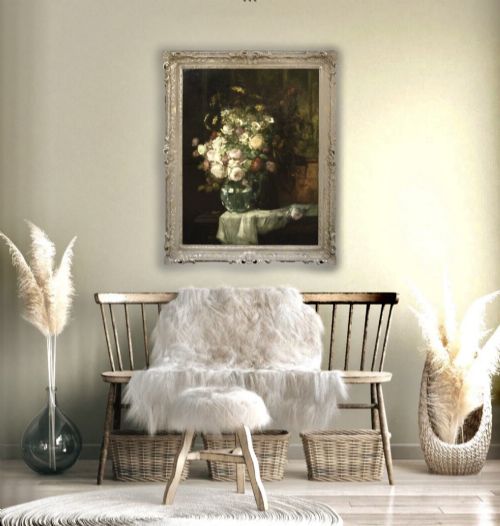
These expansive paintings suit principal reception rooms or dining spaces where blank wall capacity allows the scale to breathe without visual crowding.
Ensure adequate natural or directional lighting reaches the canvas surface so the darker tones and textures remain visible from a distance.
How do I care for oil on canvas?
Keep the canvas away from direct heat sources and fluctuating humidity levels to prevent the wooden stretcher bars from warping and the paint layer from cracking.
Dust the surface gently with a soft, dry brush rather than using damp cloths or chemical cleaning agents.
What subjects appear in these paintings?
Common subjects include lavish banquet spreads, overflowing baskets of fruit, cut flowers in vases, and game birds arranged in interiors or landscapes.
Mid-century examples often move towards abstracted forms, jugs, lemons and simplified botanical arrangements.
How can I tell the period of a painting?
Examining the canvas weave, stretcher construction and framing materials helps establish the likely age of the physical object alongside the stylistic execution of the pigment.
Signatures, artist attribution and recorded exhibition histories provide further confirmation of the decade or century of creation.