



Large Silver Dish
A large silver dish brings weight and presence to a table, spanning heavy Georgian meat domes, ornate Edwardian trays and simple pewter chargers.
Large Silver Dish
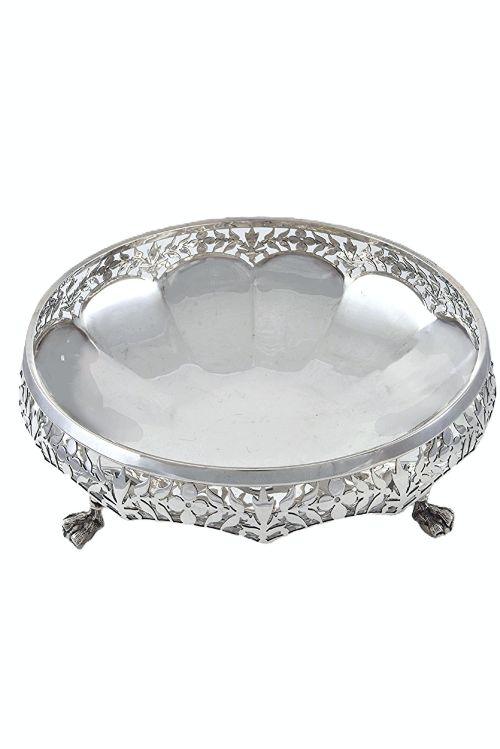
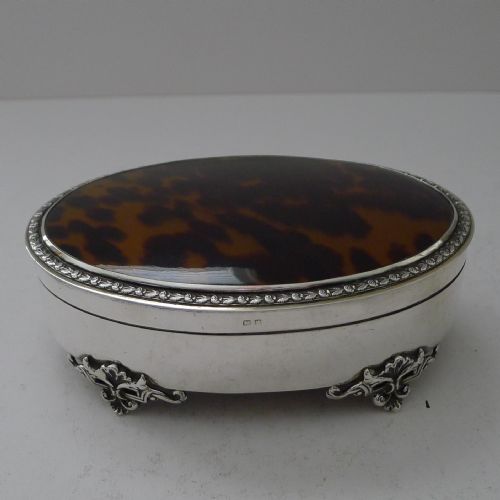
When you search for a large silver dish, you encounter a broad assortment of substantial vessels designed for dining, display and storage across several centuries. The selection encompasses heavy meat covers, sweeping chargers, deep centrepiece bowls and elaborate jewellery boxes in sterling silver, old Sheffield plate and pewter.
You are most likely to meet silver plated items from the nineteenth century alongside solid silver pieces bearing Georgian, Victorian, Edwardian and Art Deco hallmarks. Forms range from plain seventeenth century pewter chargers to intricate Art Nouveau trays and German Hanau boxes.
How they were made
Silversmiths utilised sterling silver and solid silver through casting, hammering and repoussé work, raising flat sheets into deep vessels and decorating surfaces with chased details or pierced lattice patterns. Old Sheffield plate fused a thin layer of silver onto a copper core, visible where edges reveal the base metal underneath.
Pewterers cast tin alloys into flat chargers and hammered the rims by hand to strengthen the metal. Makers of plated items applied silver layers to base metals such as copper, bronze or white metal, finishing the surfaces with polished highlights.
Large Silver Dish Retail Price Guide 2026
Typical asking prices for large silver dish among the pieces listed under this phrase on Sellingantiques today, from the lower quarter to the upper quarter. They describe what is for sale here now, not the wider market.
Duke of Somerset once owned a sturdy metal dome that kept his dinner warm.
What varies in quality
The distinction between ordinary and exceptional pieces rests on the crispness of the chasing, the thickness of the metal and the integrity of the construction. Heavy gauge silver and thick Old Sheffield plate retain their structural rigidity and crisp decoration over generations of use and polishing.
Artistry in design separates standard utility items from masterworks. Pierced bread baskets with detailed repoussé work, centrepieces with cobalt blue glass inserts and cast handles shaped as shells or scrolls demonstrate superior craftsmanship from established makers and workshops.
Nathan and Hayes·Roberts Cadman·Boulton·Walker Knowles·Thomas Templeman·Thomas Powell·Puiforcat·S Kirk and Son Company
The Large Silver Dish Glossary
- Charger
- A large circular plate or dish used historically for serving food or placed beneath other courses. These broad vessels often feature plain rims or hammered surfaces.
- Meat Dome
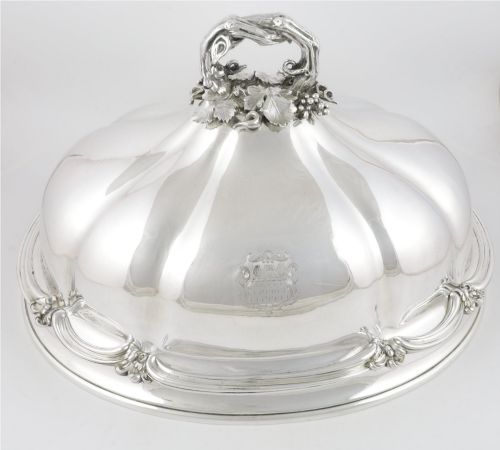
- A large domed cover designed to keep roasted joints warm upon the dining table. These substantial pieces frequently carry maker marks and armorial engravings.
- Quaich
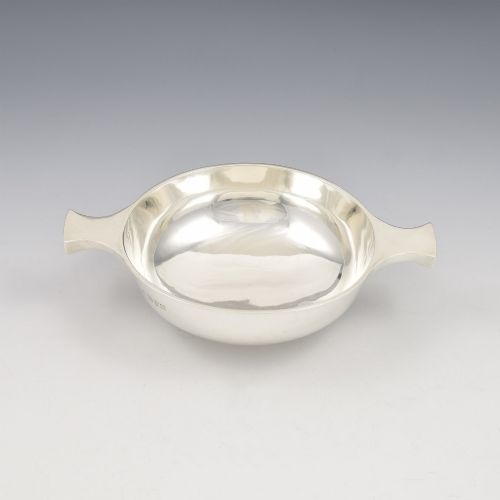
- A traditional shallow two handled drinking vessel originating in Scotland. Examples rendered in sterling silver serve as distinctive display bowls.
- Old Sheffield Plate
- A composite material made by fusing a sheet of silver to a copper ingot. This early plating method produces characteristic edge lines where the copper shows.
- Repoussé
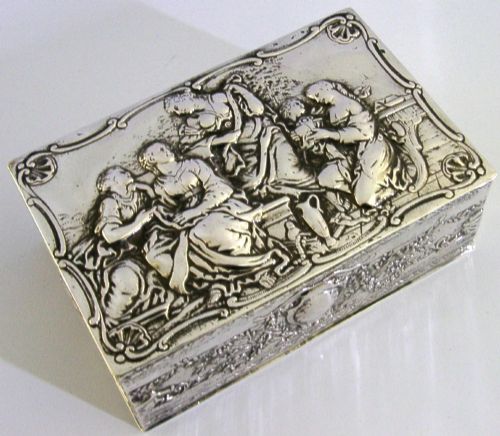
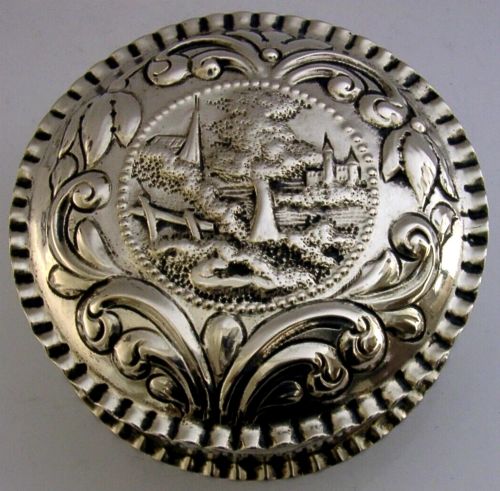
- A metalworking technique where the artisan hammers the design from the reverse side to form raised relief patterns on the front. This method creates tactile floral and scroll motifs.
Large Silver Dish: Frequently Asked Questions
What distinguishes Old Sheffield plate from silver plate?
Old Sheffield plate is created by mechanically fusing a thin layer of sterling silver to a copper base before rolling them together into sheets. This eighteenth and nineteenth century technique differs from later electroplating methods.
Items made in Old Sheffield plate often reveal thin lines of copper along exposed edges and seams. Electroplated items have a uniform silver layer applied through an electrical current onto a base metal.
How do I care for a silver or pewter dish?
Silver dishes require occasional polishing with a soft cloth and a gentle, non abrasive silver cream to remove tarnish without scratching the metal. Store them in dry conditions away from direct sunlight.
Pewter dishes need minimal maintenance beyond washing with mild soap and warm water, followed by immediate drying. Avoid harsh chemical cleaners that strip the soft patina accumulated over centuries.
What is a charger used for today?
Large chargers function primarily as decorative wall plates or centrepiece trays on dining tables and sideboards. Their wide rims and hammered surfaces showcase traditional metalworking skills.
These substantial plates add texture and historic character to an interior setting. They provide a stable base for displaying smaller decorative objects or seasonal arrangements.