



Large Silver Brooch
A large silver brooch brings tangible weight to a lapel, offering substantial Victorian pebble work, delicate Chinese filigree, or glittering diamond settings.
Large Silver Brooch
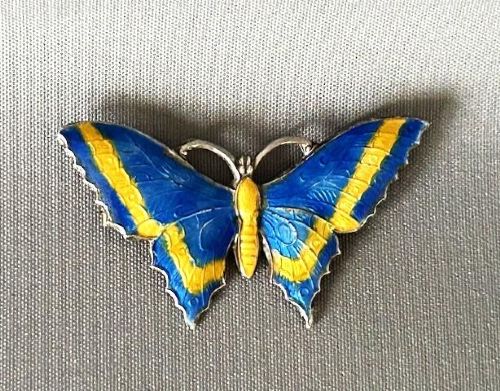
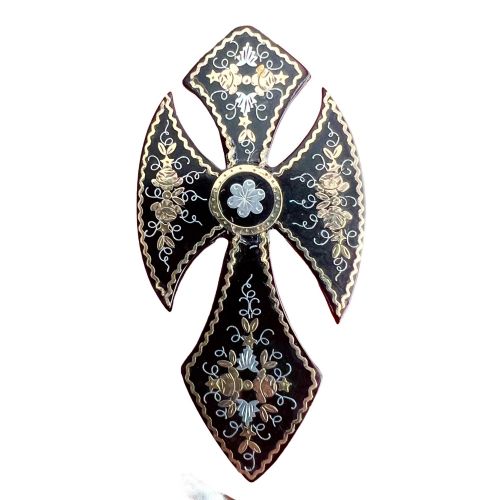
A large silver brooch centres on substantial wearable ornaments, predominantly appearing in Victorian designs alongside Edwardian, Art Deco, and 1940s Retro examples. Buyers searching for a large silver brooch encounter diverse forms ranging from Scottish kilt pins and dirk brooches to delicate butterfly motifs and substantial cross crucifixes.
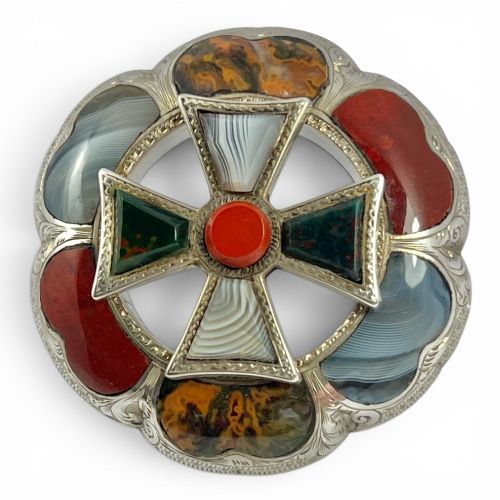
Victorian pieces dominate the selection, frequently incorporating regional stones like Scottish agate and chalcedony alongside gold highlights and paste accents. Beyond the nineteenth-century pieces, the category extends to Chinese export filigree with enamel, French solid silver gilt work, and sparkling diamond and platinum creations from the nineteen-twenties.
Materials and construction methods
Silversmiths constructed these pieces using solid silver and silver gilt, frequently combining the metal with gold elements or platinum settings as seen in diamond-set examples. Hardstones such as agate, jasper, and chalcedony were cut, polished, and mounted securely within the metal frameworks.
Detailed wirework defines the filigree pieces, whilst other items utilise traditional settings for old-cut diamonds, paste stones, and hand-carved shell cameos. Enamel work and fitted boxes further illustrate the varied artisanal techniques employed across the nineteenth and twentieth centuries.
Large Silver Brooch Retail Price Guide 2026
Typical asking prices for large silver brooch among the pieces listed under this phrase on Sellingantiques today, from the lower quarter to the upper quarter. They describe what is for sale here now, not the wider market.
Listings span the Victorian era, Edwardian period, Art Deco years, and nineteen-forties, utilising silver, gold, agate, diamonds, chalcedony, and paste.
Distinguishing quality factors
Quality rests upon the precision of the metalwork, whether hand-formed filigree, chased silver, or heavy cast mounts that securely hold sizeable stones. Superior examples display crisp detail in carved cameos or finely polished hardstones that fit tightly within their bezels.
The integration of secondary materials, such as contrasting gold accents, matched gems, or delicate enamel work, elevates the execution. Maker attention to the reverse side and pin mechanisms also separates standard production items from finer workshop pieces.
The Large Silver Brooch Glossary
- Agate
- A variety of chalcedony quartz exhibiting natural bands of colour, frequently utilised in Victorian Scottish jewellery. These stones were gathered and polished to display earthy tones.
- Filigree
- Delicate jewellery metalwork formed from fine twisted silver or gold threads soldered together to create openwork patterns. This technique requires considerable manual dexterity.
- Chalcedony
- A microcrystalline form of quartz with a waxy lustre, often cut en cabochon for Victorian brooches. It provides a smooth, colourful surface that contrasts with silver.
- Old-cut
- A diamond cutting style typical of the eighteenth and nineteenth centuries featuring a small table, high crown, and large facets. These stones were shaped by hand to catch candlelight.
Large Silver Brooch: Frequently Asked Questions
How do I wear a large silver brooch?
Pin the piece securely through heavy fabrics like wool coats, chunky knitwear, or structured jacket lapels to properly support the weight. Using a sturdy backing cloth prevents the fastening pin from pulling or sagging the garment.
Position the brooch near the shoulder or collar rather than on lightweight silk or jersey. This ensures the ornament sits flat and remains prominent throughout the day.
Are these brooches meant to be worn daily?
These pieces suit regular wear provided you handle delicate elements like enamel, paste stones, or pinned clasps with reasonable care. Avoid exposing stone-set silver to harsh cleaning chemicals or prolonged moisture.
Store each brooch in a padded box or separate pouch when not in use to prevent scratching. Checking the pin mechanism periodically ensures the security of the fastening.
How do I date a Victorian silver brooch?
Examine the construction of the pin mechanism, the stone types, and stylistic motifs like Scottish pebble work or classical cameo subjects. Victorian pieces often combine silver with gold accents and utilise early C-clasps or hinged pins.
Compare the overall weight and engraving style with dated examples from the mid-to-late nineteenth century. Hallmarks, where present, offer direct confirmation of the assay year and maker.
What is Scottish Revival jewellery?
Scottish Revival jewellery refers to nineteenth-century pieces inspired by traditional Highland ornamentation, famously patronised by Queen Victoria. These items incorporate banded agates, jaspers, and citrines mounted in solid silver.
Designs frequently replicate daggers, kilt pins, dirks, and shields associated with Scottish folklore and dress. The style gained immense popularity during the Victorian era following the establishment of Balmoral.