





Large Ship Model
These large ship model examples bring maritime history into a room through substantial wooden hulls, detailed dioramas, and towering pond yachts.
Large Ship Model
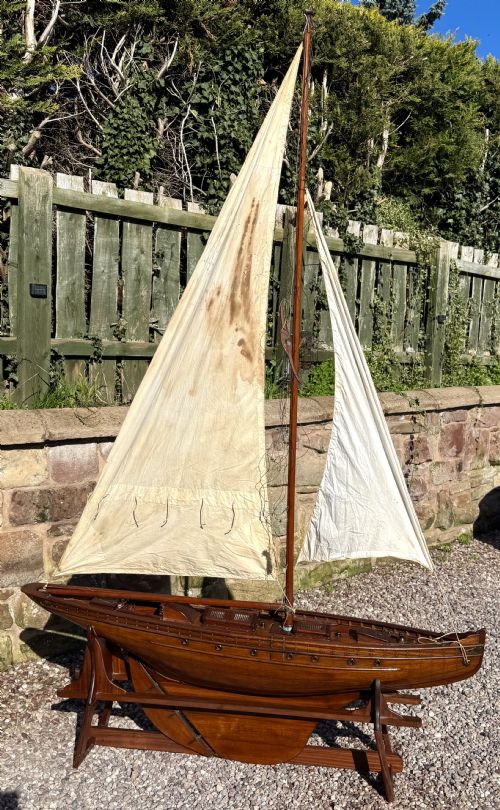
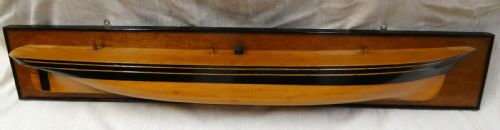
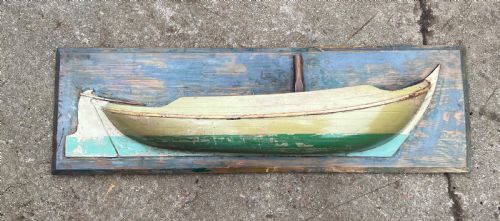
A large ship model search covers substantial maritime objects, most frequently appearing as large pond yachts, framed dioramas, and detailed boatbuilder half models. These pieces range from Victorian folk art creations to scratch-built representations of historical vessels.
The selections on this page draw from the 19th century, Victorian, Edwardian, and early twentieth-century periods. Buyers encounter items utilising wood, canvas, glass, paint, metal, pine, mahogany, and brass across various maritime styles.
Forms include model boats, decorative objects, wall art, maritime dioramas, and half hull ship models. Each piece reflects the maritime traditions and craftsmanship of its respective era.
How they were made
Makers constructed these pieces primarily using wood, incorporating materials such as pine, mahogany, and sycamore for carved hulls and structural elements. Artisans utilised canvas, paint, and metal components to add rigging, sails, and realistic detailing.
Meticulous hand construction defines items like the straw work ship dioramas and scratch-built models such as the HMS Endeavour. Boatbuilders shaped half hulls and pond yachts for functional sailing or precise display, often mounting them on marble bases or fitted stands.
Large Ship Model Retail Price Guide 2026
Typical asking prices for large ship model among the pieces listed under this phrase on Sellingantiques today, from the lower quarter to the upper quarter. They describe what is for sale here now, not the wider market.
Materials across the selection include carved sycamore, pine, mahogany, brass, glass, and canvas.
What varies in quality
Quality separates objects through the precision of the carving, the complexity of the rigging, and the integrity of the materials. Pieces featuring detailed straw work or intricate diorama settings demonstrate a higher level of artisanal skill.
The preservation of original paint surfaces, glass cases, and structural components distinguishes superior examples from heavily altered or weathered pieces. Provenance and documentation, such as attribution to specific shipbuilding companies, further elevate the standing of a model.
Liverpool Ship Building Co.
The Large Ship Model Glossary
- Half hull model
- A three-dimensional representation of one side of a ship's hull, traditionally used by boatbuilders to visualise naval architecture designs.
- Pond yacht
- A toy or working sailing boat designed to be sailed on open water, constructed with a ballast keel and fabric sails.
- Scratch built
- A model constructed entirely from raw materials and plans rather than from a commercial assembly kit.
Large Ship Model: Frequently Asked Questions
What is a ship diorama?
A ship diorama is a framed or enclosed three-dimensional scene depicting a vessel at sea. These displays often incorporate painted backdrops and detailed model work.
Craftsmen created them to capture historical sailing ships or specific maritime moments within a protective glass or wooden case.
How were pond yachts used?
Pond yachts were built for recreational sailing on park lakes and ponds during the Victorian and Edwardian eras. Owners adjusted the rigging to let the boats sail across the water unguided.
Many surviving examples retain their original stands, serving primarily as decorative display objects today.
What is a half hull model?
A half hull model is the longitudinal half of a ship's hull mounted on a backboard. Shipbuilders used these to design vessel lines and test hydrodynamic shapes.
In a domestic setting, they function as sculptural wall art that highlights traditional marine carpentry.
How do I date a model?
Dating relies on materials, construction techniques, and stylistic markers associated with periods like the Victorian era or the 1920s. Specific woods, paint types, and hardware offer clues to the decade of origin.
Inscribed plaques or builder marks occasionally provide definitive dates or origins for the piece.