


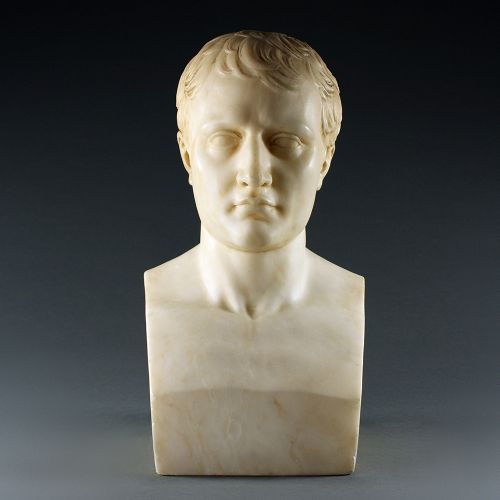
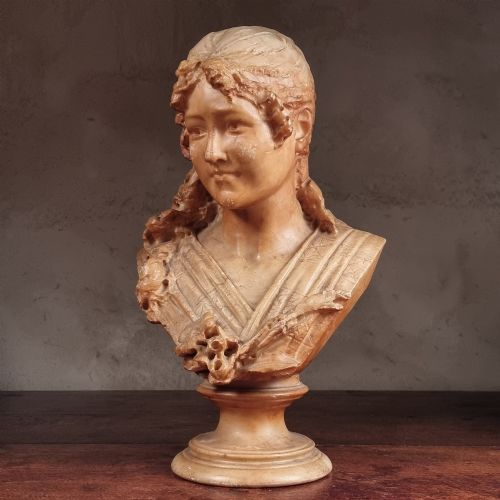

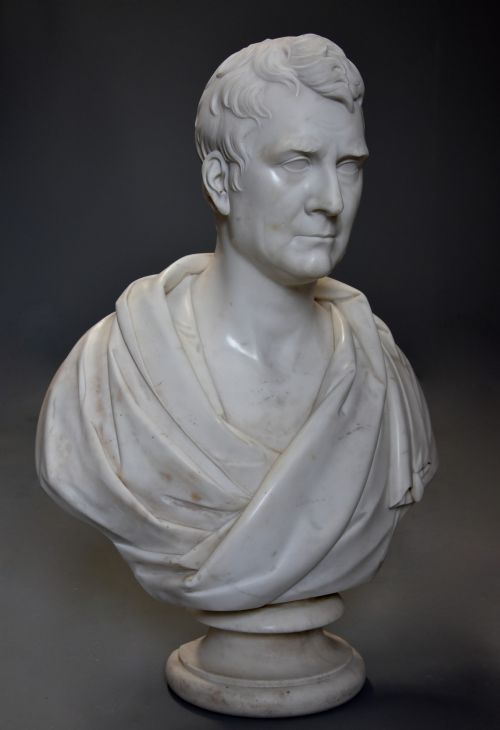


Large Portrait Bust
A large portrait bust commands attention in any room, bringing historical figures and classical forms directly into your interior.
Large Portrait Bust
A large portrait bust represents human figures from historical characters to classical subjects, rendered in substantial dimensions that demand visual prominence. When you search for a large portrait bust, you encounter sculptural works spanning the nineteenth century through the mid-twentieth century.
The pieces on this page include notable figures such as Napoleon, Julius Caesar, and Jesus Christ, alongside classical women and gentlemen. Sculptural styles range from Neoclassical and Victorian to Art Nouveau and Realism.
Materials vary widely across the selection, encompassing carved stone, brilliant white Carrara marble, patinated bronze, and painted plaster. These sculptures serve as focal points, traditionally displayed on pedestals, consoles, or mantels.
How they were made
Carved stone and marble pieces involve direct subtraction from solid blocks, utilising chisels and rasps to achieve detailed drapery and facial expressions. Alabaster and various marbles allow for translucent qualities and smooth surfaces that catch the light.
Bronze sculptures utilise the lost-wax casting method, where molten metal replaces a wax model within a ceramic or plaster mould. Patination is then applied chemically to achieve deep dark tones or rich surface colours.
Plaster and cast stone versions rely on moulds taken from original clay sculptures, often finished with pigment or simulated stone surfaces to mimic more costly materials.
Large Portrait Bust Retail Price Guide 2026
Typical asking prices for large portrait bust among the pieces listed under this phrase on Sellingantiques today, from the lower quarter to the upper quarter. They describe what is for sale here now, not the wider market.
Listings feature nineteenth-century alabaster, bronze, and marble alongside mid-twentieth-century plaster and stone sculptures.
What varies in quality
Material selection dictates the baseline quality, with solid Carrara marble and heavy patinated bronze commanding greater substance than painted plaster or cast stone. Signatures from recognised sculptors elevate the standing of a piece significantly.
E Villanis·J Francis·Antonio Merente
The Large Portrait Bust Glossary
- Alabaster
- A fine-grained, translucent stone often used for nineteenth-century sculpture. It requires indoor placement due to its soft nature.
- Patina
- The surface coloration and sheen developed naturally over time or applied chemically to bronze and metalwork. This layer protects the metal and adds visual depth.
- Neoclassical
- An artistic style drawing inspiration from the classical art and culture of ancient Greece and Rome. It emphasises restrained grandeur and austere dignity.
- Carrara Marble
- A type of white or blue-grey marble from the city of Carrara in Tuscany, widely prized for classical statuary. Sculptors value its uniform grain and durability.
- Cast Stone
- A refined architectural concrete building product manufactured to mimic natural cut stone. It provides a heavy sculptural medium for interior or exterior display.
Large Portrait Bust: Frequently Asked Questions
Where should I place a large portrait bust?
These substantial sculptures require stable surfaces such as heavy sideboards, dedicated pedestals, or robust mantels where their weight is safely supported.
Position them at eye level to fully appreciate the carved details and facial expressions intended by the sculptor.
How do I clean a marble or stone bust?
Dust the surface regularly with a soft, dry cloth to prevent particulate accumulation in the crevices of hair and drapery.
Avoid chemical cleaners and excess water, particularly on alabaster or plaster, which absorb moisture and sustain permanent damage.
Are these sculptures suitable for outdoor display?
Most bronze, stone, and cast stone pieces tolerate sheltered outdoor environments if protected from freezing winter temperatures.
Plaster and alabaster compositions deteriorate rapidly outdoors and must remain strictly inside.
How can I tell if a bronze is cast or plated?
Examine the underside or interior surfaces where the base metal is visible beneath any applied patination.
Heavier weight and cold-to-the-touch properties typically indicate solid bronze rather than plated substitutes.